For backpack brands, importers, and procurement teams, mastering the characteristics of mainstream bag fabrics is an essential foundation for building a competitive product line. The choice of fabric affects the product’s durability, cost structure, sustainability performance, and end-user experience—factors that are crucial in today’s global backpack market.
Based on common practices in major backpack production regions in Asia, this article introduces the 10 most widely used fabrics in modern backpack manufacturing and provides practical insights from a procurement perspective.
1.Polyester — A Universal and Cost-Effective Choice

Polyester is one of the most widely used synthetic fibers in global backpack and luggage manufacturing, commonly applied in school bags, business backpacks, travel bags, and many other categories. Its main advantages include:
- Polyester has very stable chemical properties. In daily life, polyester products are not easily oxidized, not prone to aging, and have strong UV resistance. Most chemical reagents encountered in daily use do not easily damage polyester fibers.
- Stable price and mature supply chain: The upstream raw materials of polyester are PTA (Purified Terephthalic Acid) and MEG (Mono-ethylene Glycol). These two raw materials have huge global production capacity and mature manufacturing technology. According to textile association reports, polyester has long accounted for more than 50% of global fiber production. China has the most complete polyester supply chain, especially concentrated in Guangdong, Jiangsu, and Zhejiang.
2.Nylon — Lightweight, Durable, and High-Performance
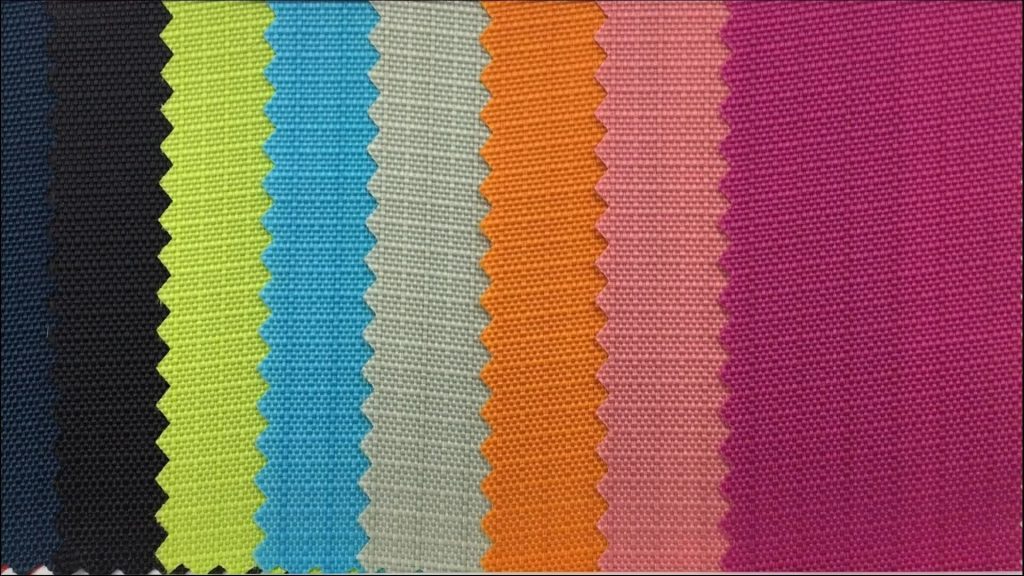
Nylon is a type of synthetic fiber featuring high strength and excellent abrasion resistance. It is widely used in mid-to-high-end bag categories that require high durability, such as outdoor travel backpacks and military-grade gear. Its advantages include:
- High tensile strength: At the same weight, the tensile strength of nylon is significantly higher than that of polyester. It is suitable for shoulder straps, zipper tapes, and other components that need high pulling strength.
- Excellent abrasion resistance: Nylon’s wear resistance is 2–3 times stronger than polyester. This provides outstanding stability for outdoor backpacks.
- Good low-temperature resistance: Polyester becomes much less flexible in cold environments. At -20°C to -40°C: flexibility decreases but does not break. Below -40°C: hardening and reduced bendability become obvious. Nylon 6 can maintain good flexibility between -20°C and -40°C, while Nylon 66 performs even better, tolerating -40°C to -70°C. This makes nylon a preferred choice for winter outdoor gear.
- Good dyeing performance: Nylon dyes evenly and offers high colorfastness, suitable for fashion bags, outdoor equipment, and military applications.
3.Oxford Fabric — A Reliable Material for Mass Production
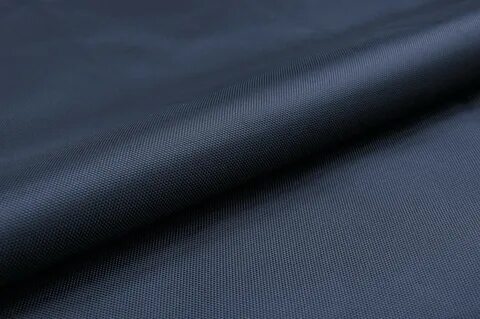
Oxford fabric is one of the most common materials in the bag industry, widely used in school backpacks, travel bags, tool bags, pet bags, outdoor backpacks, and business bags. It is lightweight, durable, moderately priced, and highly adaptable. The combination of 600D Oxford + PU coating is considered a golden standard for strength and water resistance.
- Lightweight with adequate strength: Oxford uses plain weave or modified plain weave. The structure is firm yet not heavy, suitable for daily school bags.
- Cost-friendly: Oxford fabric is cheaper than nylon—typically 20%–40% lower. 600D Oxford generally costs US$0.80–$1.10/m.
- Lighter versions (420D, 300D) can be even cheaper (e.g., US$0.65–$0.90/m with PU coating).
Easy to process: Oxford fabric’s weaving structure makes it stable and easy to sew. It works smoothly with industrial sewing machines and automated cutting equipment. It supports a wide range of finishing processes—including water-repellent coating, waterproof coating, embossing, jacquard, printing, heat transfer, laser cutting, and ultrasonic cutting.
This flexibility ensures stable results even in large-scale production.
4.Canvas — Natural Texture and Strong Style
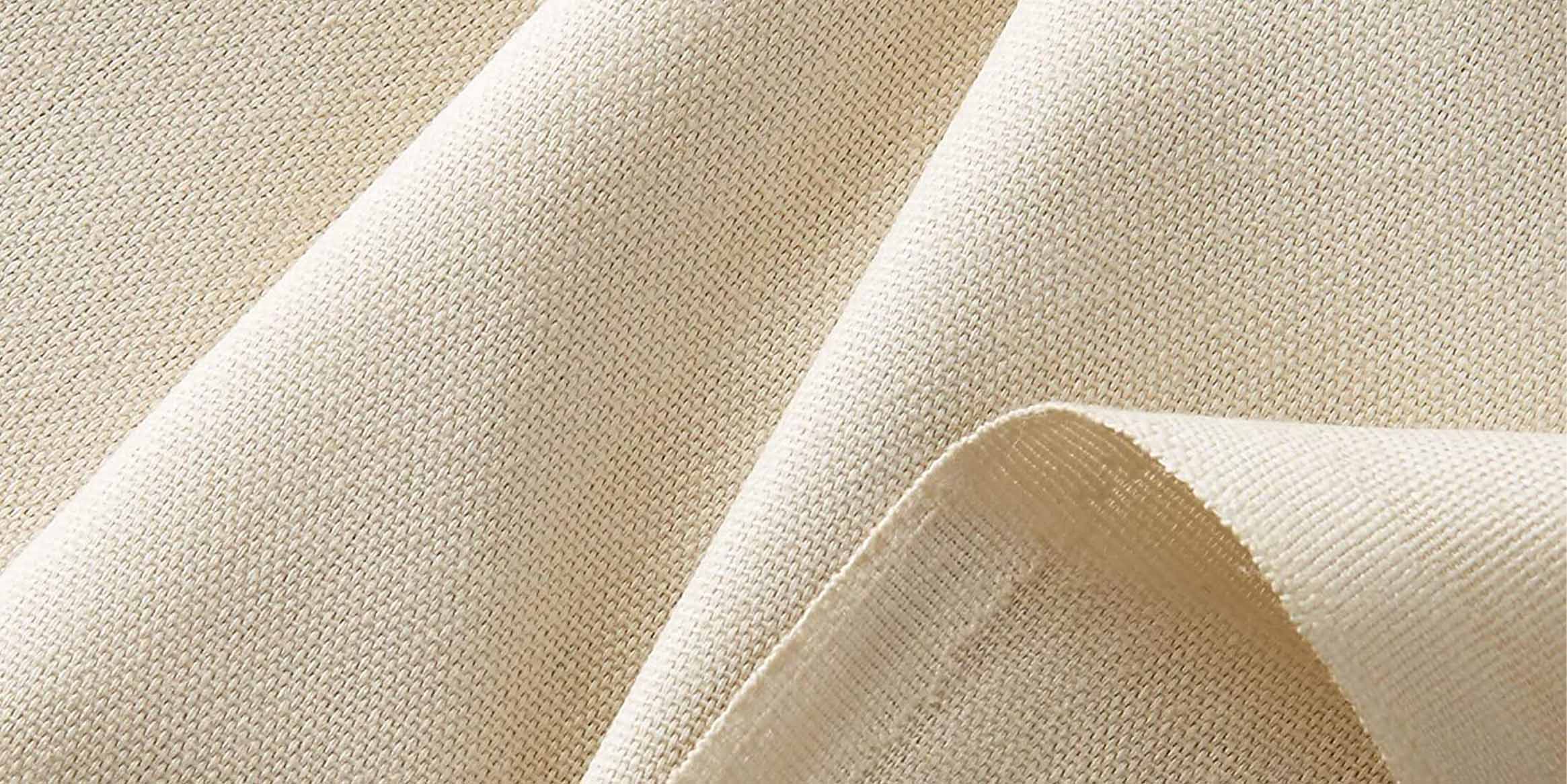
Canvas is a thick plain-weave or twill fabric made from cotton, polyester, nylon, or blends. Due to its abrasion resistance, durability, and strong load-bearing capacity, it is widely used in backpacks, travel bags, outdoor bags, and tool bags. As one of the earliest materials used in bag-making, it is still common today. Its advantages include:
- Abrasion resistance and tear resistance: Canvas has high fiber density and a sturdy structure, making it suitable for heavy-duty travel bags, tool bags, and military bags.
- Good visual effect and comfortable touch: Cotton canvas feels soft and textured; blends with polyester or nylon combine flexibility and durability. It is suitable for retro, artsy, and campus-style fashion bags.
- Low- and high-temperature resistance: Cotton canvas withstands high temperatures and remains structurally stable in winter.
- Water resistance can be enhanced: Although raw canvas absorbs water, PU, PVC, or waxed coatings can improve its water resistance while retaining a natural look.
5.Ripstop Fabric — Designed for Tear Resistance
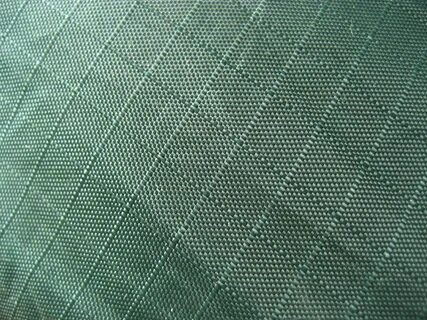
Ripstop is not a raw material but a weaving method: reinforcement yarns are added at intervals in the warp and weft directions, forming a visible grid structure. This prevents small tears from spreading, significantly enhancing tear resistance while remaining lightweight. It is often treated as an independent fabric category in manufacturing.
Advantages:
- Anti-tear: The reinforced grid stops cracks from expanding. Even if a small hole appears, the damage is “contained” within a grid. For example, 70D high-tenacity nylon ripstop can achieve tensile strength around 90 × 90 lbf.
- Excellent weight/strength ratio: Even at low denier (70D, ~100 GSM), ripstop offers strong tear resistance, suitable for outdoor sports gear that requires both light weight and reliability.
6.High-Tenacity Fabrics & Cordura-Type Materials
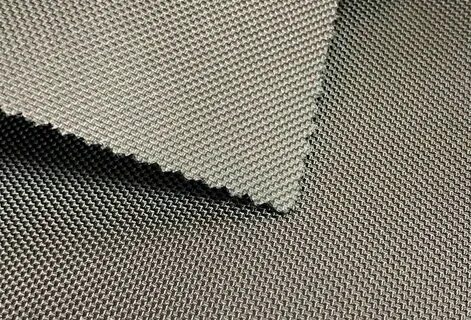
“Cordura” generally refers to high-tenacity nylon or specially treated polyester yarns woven tightly and finished for enhanced performance. It was first introduced in 1967 by DuPont. Cordura represents a family of high-performance nylon/blended fabrics.
Advantages:
- Extremely high abrasion resistance & long lifespan: 1000D Cordura performs exceptionally well in abrasion tests and is considered a benchmark for heavy-duty use. Its abrasion resistance far exceeds ordinary polyester Oxford fabric.
- Higher tensile strength: Cordura has superior tear and tensile strength, even at relatively low weight, making it reliable for professional bags.
- Excellent colorfastness: Many Cordura series use solution-dyed yarns, giving them strong UV and fade resistance—ideal for outdoor and sunlight-exposed products.
- Weather and microbial resistance: Cordura naturally resists mold and rot, making it widely used in outdoor, military, and travel gear. Actual performance varies depending on coatings (DWR / PU / TPU).
7.TPU-Laminated Fabrics — Superior Waterproofing and Structure Stability
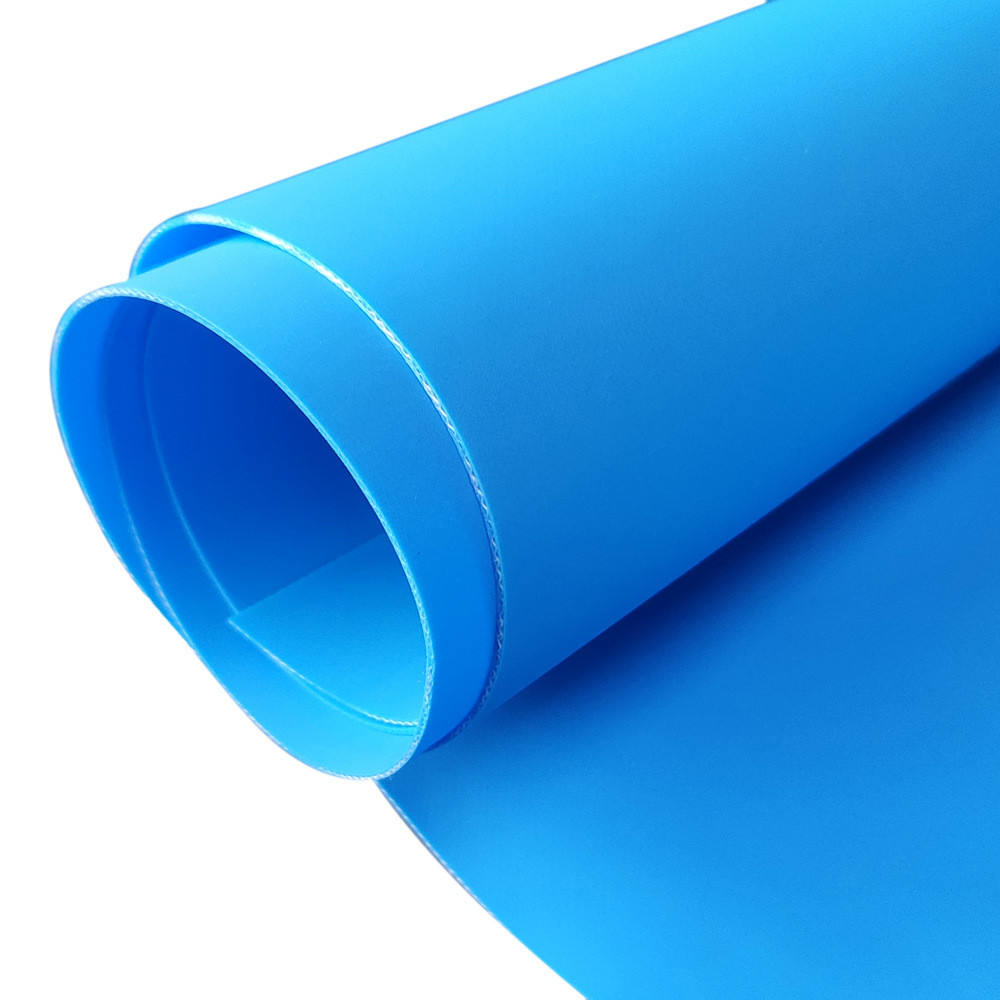
TPU-laminated fabric is made by bonding a TPU film to a textile (polyester, nylon, Oxford) through heat-pressing or lamination. It offers high waterproofing, abrasion resistance, and structural rigidity.
Advantages:
- Extremely high waterproof performance: Because TPU itself has a non-porous structure, its waterproof performance is very good. The industry’s waterproof testing standard is actually to fix the fabric in place, then gradually increase the water pressure from the bottom upward, and record the water column height at which the fabric begins to seep. The waterproof performance of TPU is shown in the table below:
| Structure | Waterproof Rating (Hydrostatic Head) |
| Single TPU film | 5,000 – 10,000 mm H₂O |
| TPU laminated with nylon/polyester | 10,000 – 20,000 mm H₂O |
| High-end outdoor TPU | 20,000+ mm H₂O |
Ordinary polyester with water-repellent treatment (non-TPU) only has a water-repellent performance of 100–500 mm, which shows that the waterproof performance of TPU is quite outstanding.
-
- Extremely high folding durability: The folding lifespan of TPU can reach 100,000+ times, while under the same conditions PU coating may show cracking, chalking, or peeling after 3,000–10,000 times.
-
- Strong low-temperature resistance: TPU still maintains extensibility and does not become brittle at -40°C, and can remain flexible even at -50°C (high-end aliphatic TPU).
-
- Hydrolysis resistance: TPU still has very good tolerance in long-term humid environments, making it suitable for producing bags that need to operate underwater.
-
- Environmentally friendly and non-toxic: TPU does not contain plasticizers (such as phthalates), is chlorine-free and heavy-metal-free, and complies with European environmental regulations. This is also the reason why it is widely used in medical devices and infant products.

Mesh refers to knitted or woven fabrics constructed with open holes. It is mainly used in backpack suspension systems (shoulder straps, back panels), side pockets, and linings.
Advantages:
-
- Comfortable: Mesh is lightweight, soft, and breathable. Mesh + EVA greatly improves carrying comfort compared with solid fabric back panels.
-
- Durable and abrasion-resistant: Mesh is 2–3 times more abrasion-resistant than ordinary knit fabrics.
It is widely used in load-bearing structures to improve user comfort.
PU (polyurethane) and PVC (polyvinyl chloride) coated fabrics are made by applying a layer of PU or PVC coating on the backside of a fabric substrate (such as 210D, 420D, 600D polyester or nylon), thereby improving the fabric’s waterproof performance, durability, and structural stability.
These two types of materials are widely used in various B2B commercial bags, including backpacks, travel bags, outdoor bags, laptop bags, and cooler bags.
-
- Excellent waterproof performance: The waterproof capability of PU-coated fabric is already sufficient to meet the water-repellent requirements of ordinary school bags and laptop bags, while PVC-coated fabric offers even higher waterproof performance than PU coating. These coatings can ensure that electronic devices, documents, or clothing inside the bag remain dry in rainy conditions, and are usually the preferred materials for making waterproof bags.
| Coating Type | Common Waterproof Rating (mm H₂O) | Application |
| PU single coating | 800–1,500 | Ordinary school bags and laptop bags |
| PU double coating | 1,500–3,000 | Outdoor backpacks and bike bags |
| PVC coating | 10,000–20,000+ | Travel bags, tool bags, military bags, and waterproof bags |
-
-
Improves fabric stiffness and structural stability: The PU/PVC backing coating forms a “protective layer” on the back of the fabric, making the material stiffer and better shaped, so the bag looks more structured and can maintain its shape even when empty.
-
-
-
Enhanced tear resistance and durability: When the PU/PVC coating is combined with the yarn, it increases the overall mechanical strength of the fabric. This makes the bag less likely to be scratched by keys or other sharp objects, more wear-resistant, and capable of bearing heavier loads.
-
| fabric | Tensile Strength |
| 600D polyester (no coating) | 20–25 N |
| 600D polyester PU coated | 30–40 N |
| 600D polyester PVC coated | 40–55 N |
-
-
Better oil and mildew resistance: The PU/PVC coating makes the fabric no longer porous, forming a perfect water- and oil-resistant layer on the surface, which makes PU/PVC coated backpacks or makeup bags easier to keep clean.
-
-
-
Cost-controlled and stable performance: PU/PVC coated fabrics are 30%-60% cheaper than TPU coatings, 50%-70% cheaper than silicone coatings, and have relatively stable performance, offering high cost-effectiveness.
-
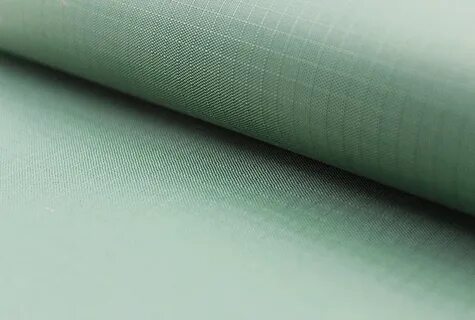
In the bag industry, “eco-friendly fabrics” usually refer to textiles that reduce dependence on fossil resources, lower carbon emissions, or improve material recyclability. The three most common types are rPET, recycled nylon, and bio-based materials.
Using these eco-friendly fabrics can significantly reduce the product’s carbon footprint and meet the ESG requirements of European and American buyers and retailers, while also providing a notable marketing advantage for companies.
-
-
Significantly reduces carbon footprint: This is the core advantage of such eco-friendly fabrics. Recycled materials can reduce carbon emissions by 30–70% compared to virgin petrochemical materials. Some European and American buyers typically require suppliers to support ESG, Scope 3 emission reporting, the EU CBAM, or U.S. sustainability certification systems. These eco-friendly fabrics can meet these requirements.
-
-
-
Performance advantages: The performance of eco-friendly materials is not inferior to traditional materials; some are even better. They do not compromise performance for environmental benefits, but achieve a win-win in both performance and sustainability. For example, rPET has strength close to virgin polyester, recycled nylon performs similarly to virgin nylon, and bio-based nylons such as PA11 and PA410 are even more resistant to chemical corrosion and low temperatures, with impact strength increased by 10%-20% compared to virgin nylon.
-
-
-
Mature supply chain: In China, the eco-friendly material supply chain is extensive. Zhejiang, Fujian, and Guangdong are the main production regions for rPET; Jiangsu and Shandong are the main production regions for recycled nylon; Jiangsu, Anhui, and Guangdong are the main production regions for bio-based TPU, bio-PU, and bio-nylon.
-
Fabric choice determines a backpack’s durability, appearance, cost, and market positioning. For B-side procurement teams and brand developers, understanding these 10 mainstream fabric categories helps improve development efficiency, reduce rework, and make more commercially valuable material decisions.