Introduction
When launching a custom bag line, your material choice isn’t just a manufacturing detail—it’s a strategic decision that shapes your product’s cost structure, market positioning, durability profile, and brand identity. Get it right, and you’ll have a product that resonates with your target audience while maintaining healthy profit margins. Get it wrong, and you might find yourself competing in the wrong segment or dealing with costly returns.
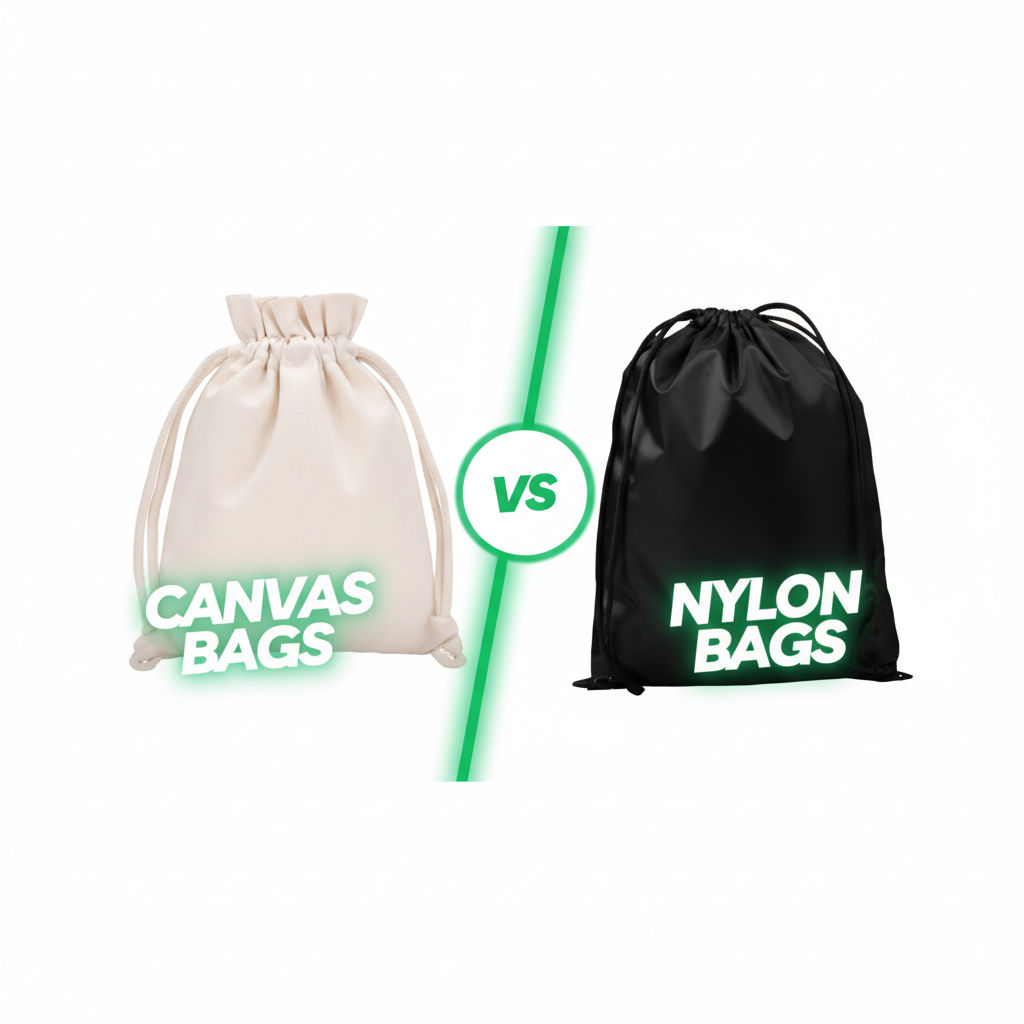
Among all bag materials available today, nylon and canvas stand out as the two most popular options. They’re also the most frequently confused. Both can look similar at first glance, both can be customized extensively, and both have passionate advocates in the industry. Yet they serve fundamentally different purposes and appeal to distinct customer segments.
This guide exists to help brand owners make informed material decisions based on three critical factors: intended use scenarios, budget constraints, and target market expectations. Whether you’re designing your first tote bag or expanding an existing product line, understanding these two materials will save you time, money, and potential headaches down the road.
1. What Is Nylon Fabric in Bag Manufacturing?
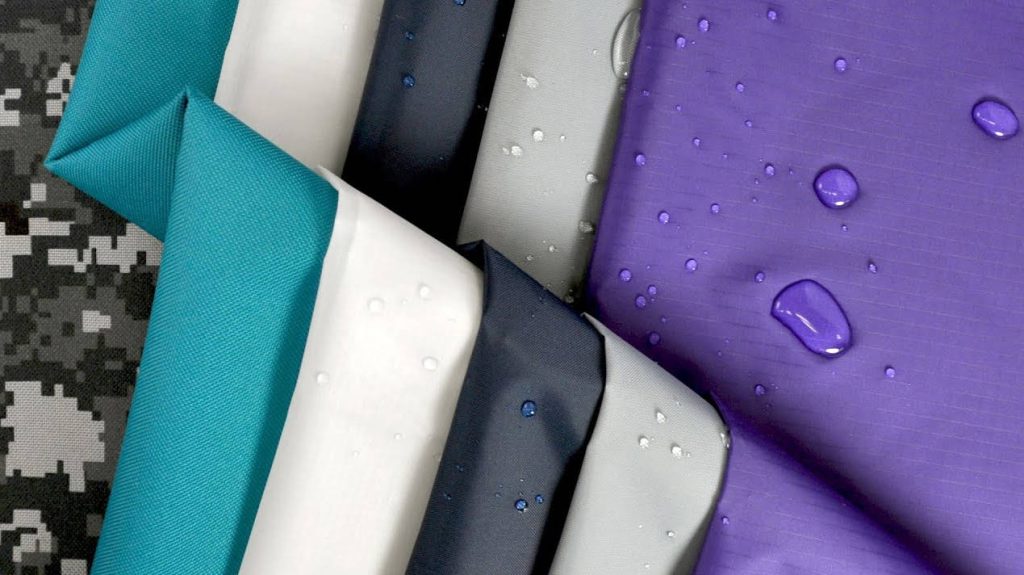
Nylon is a synthetic polymer fabric known for its exceptional strength-to-weight ratio. Originally developed in the 1930s, it has become the go-to material for functional bags across industries—from military gear to laptop backpacks to travel duffels.
1.1 Common Types of Nylon Used for Bags
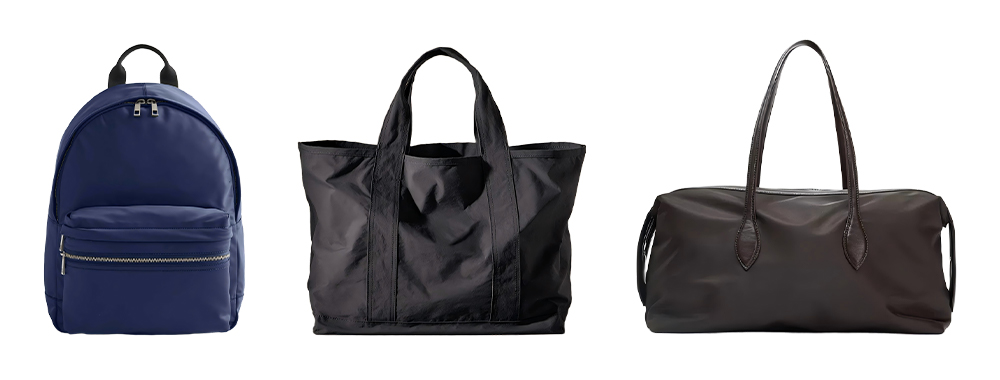
Nylon fabrics are typically measured in “denier” (D), which indicates the thickness and weight of the yarn. Here’s what you’ll commonly encounter:
- 210D Nylon: Lightweight and thin, often used for packable bags, stuff sacks, and budget-conscious products
- 420D Nylon: A versatile middle ground offering decent durability without excessive weight
- 600D Nylon: Heavy-duty material suitable for backpacks, gym bags, and everyday carry items
- 1680D Nylon: The premium option, extremely durable and abrasion-resistant, commonly found in high-end luggage and tactical gear
Beyond denier ratings, coating options significantly affect performance:
- PU coating: Provides water resistance and a softer hand feel
- PVC coating: Offers superior waterproofing but feels stiffer
- Water-resistant treatments: Range from light DWR (Durable Water Repellent) finishes to heavy-duty waterproof membranes
1.2 Key Advantages of Nylon Bags
Lightweight Performance: Nylon’s strength-to-weight ratio is hard to beat. A 600D nylon backpack can weigh 30-40% less than a comparable canvas design while maintaining similar durability.
High Abrasion Resistance: The material’s smooth, tightly woven structure resists wear from friction, sharp objects, and repeated stress. This makes nylon ideal for bags that will be thrown around, dragged across floors, or packed tightly.
Superior Water Resistance: Even without special coatings, nylon naturally repels water better than natural fibers. With proper treatments, nylon bags can achieve near-complete waterproofing.
Functional Design Flexibility: Nylon accepts zippers, buckles, compression straps, and complex pocket systems more readily than stiffer materials. This makes it the preferred choice for feature-rich designs.
1.3 Limitations of Nylon Material
Functional Aesthetic: Nylon inherently looks technical and performance-oriented. While this appeals to outdoor enthusiasts and commuters, it doesn’t convey the organic, lifestyle-oriented feel many contemporary brands seek.
Premium Brand Positioning Challenges: High-end fashion and lifestyle brands often avoid nylon because it lacks the artisanal, natural quality that commands premium pricing. There are exceptions (like Prada’s nylon bags), but these require exceptional design and branding to overcome material perceptions.
Design Dependency: To make nylon bags stand out, you need strong industrial design, thoughtful color selection, and often proprietary features. A basic nylon tote won’t differentiate your brand the way a well-executed canvas design might.
2. What Is Canvas Fabric in Bag Manufacturing?
Canvas refers to a plain-weave fabric traditionally made from cotton or linen, though modern variations incorporate synthetic fibers for enhanced performance. The material has a rich history in sailing, painting, and bag-making that extends back centuries.
2.1 Common Canvas Materials
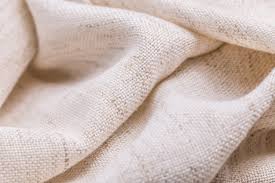
Cotton Canvas: Pure cotton canvas offers the most natural appearance and hand feel. It’s breathable, soft to touch, and accepts dyes and prints beautifully. However, it requires treatment for water resistance and can be heavy.
Poly-Cotton Canvas: A blend (typically 65% polyester, 35% cotton) that balances natural aesthetics with improved durability and easier care. This is the most common choice for commercial bag production.
Waxed Canvas: Cotton canvas treated with wax (traditionally paraffin or beeswax) for water resistance and a distinctive aged appearance. This premium option develops a unique patina over time, appealing to heritage-focused brands.
2.2 Key Advantages of Canvas Bags
Natural Aesthetic Appeal: Canvas has a tactile, organic quality that photographs beautifully and feels substantial in hand. This materiality helps brands tell stories about craftsmanship, sustainability, and timeless design.
Brand Storytelling Opportunities: Canvas connects to narratives about eco-consciousness, artisanal production, and slow fashion. It’s easier to position a canvas bag as an investment piece or lifestyle accessory rather than purely functional gear.
Excellent Print and Embroidery Performance: Canvas’s flat, stable surface provides an ideal canvas (pun intended) for screen printing, embroidery, and heat transfer designs. Colors appear vibrant, and details remain crisp through repeated use.
2.3 Limitations of Canvas Material
Weight Considerations: Canvas bags are noticeably heavier than nylon equivalents. A large canvas tote might weigh twice as much as a nylon version before you even add contents.
Limited Water Resistance: Untreated cotton canvas absorbs water readily, which can lead to staining, stretching, and longer drying times. While treatments help, canvas will never match nylon’s inherent water resistance.
Durability Under Heavy Use: While canvas is strong, it’s more susceptible to wear at stress points, fraying at edges, and permanent staining from oils or dirt. Heavy daily use in demanding conditions will show on canvas faster than on nylon.
3. Nylon vs Canvas: Side-by-Side Comparison
| Factor | Nylon | Canvas |
|---|---|---|
| Weight | Lightweight (500-800g for typical backpack) | Heavier (800-1200g for similar size) |
| Durability | Excellent abrasion resistance, long-lasting in harsh conditions | Good overall strength, vulnerable at stress points |
| Water Resistance | Naturally water-resistant, easily enhanced | Requires treatment, never fully waterproof |
| Cost Range | $2-8 per yard depending on denier and coating | $3-10 per yard depending on weight and blend |
| Best Use Scenarios | Travel, outdoor gear, sports equipment, tech bags | Daily totes, shopping bags, fashion accessories, lifestyle products |
| Brand Positioning | Technical, functional, performance-oriented | Natural, artisanal, lifestyle-focused, eco-conscious |
This comparison makes clear that your choice shouldn’t be based on which material is “better” in absolute terms, but rather which aligns with your brand’s positioning and your customers’ expectations.
4. Which Material Is Right for Your Custom Bag Line?
4.1 Choose Nylon If…
Your target market includes outdoor enthusiasts, travelers, or urban commuters who prioritize functionality over aesthetics. Nylon makes sense when your customers ask questions like “Will this survive a rainstorm?” or “Can I throw this in the trunk of my car without worrying?”
Nylon is ideal for:
- Hiking and camping gear
- Gym and sports bags
- Laptop and tech backpacks
- Travel duffels and carry-ons
- Messenger bags for bike commuters
You should also lean toward nylon if your design incorporates multiple compartments, compression systems, or specialized organizational features. The material’s flexibility and compatibility with hardware makes complex functional designs more feasible.
4.2 Choose Canvas If…
Your brand emphasizes lifestyle, design, and aesthetic appeal. Canvas resonates with customers who care about how their bag looks with their outfit, how it feels when they touch it, and what it says about their values.
Canvas excels for:
- Everyday tote bags
- Shopping and grocery bags
- Casual backpacks for school or work
- Weekend bags with vintage appeal
- Promotional bags for lifestyle brands
Canvas is also the better choice when you want to emphasize sustainability messaging or artisanal production. Customers shopping for canvas bags are often willing to pay premium prices for thoughtful design, quality construction, and brand story—areas where profit margins can be healthier despite higher material costs.
5. Customization Options for Nylon & Canvas Bags
Both materials offer extensive customization possibilities, though the optimal techniques differ.
Logo and Branding Applications:
- Screen printing: Works on both materials; more vibrant on canvas
- Heat transfer: Better on nylon for complex designs
- Embroidery: Excellent on canvas; requires backing on thin nylon
- Rubber or PVC patches: Ideal for nylon’s technical aesthetic
- Woven labels: Premium option that works on both materials
Color and Pattern Customization: Nylon accepts dye sublimation for photographic prints and complex patterns, while canvas takes traditional dyes and screen-printed designs more naturally. Canvas also offers the option of raw, undyed aesthetics that appeal to minimalist brands.
Structural and Functional Customization:
- Pocket configurations and internal organization
- Strap systems (padded, adjustable, removable)
- Closure options (zippers, magnetic snaps, drawstrings)
- Reinforcement at stress points
- Laptop sleeves and tech compartments
Sustainability Upgrades: Both materials now come in eco-friendly versions. Recycled nylon (often made from recovered fishing nets or industrial waste) performs identically to virgin nylon while reducing environmental impact. Organic cotton canvas and low-impact dyeing processes appeal to environmentally conscious consumers.
6. Cost Considerations & MOQ for Custom Production
Material costs represent just one component of your total bag cost, but they significantly influence your minimum order quantity (MOQ) feasibility and profit margins.
Typical material cost breakdown:
- Entry-level nylon (210D-420D): $2-4 per yard
- Heavy-duty nylon (600D-1680D): $4-8 per yard
- Cotton canvas: $3-6 per yard
- Poly-cotton canvas: $4-7 per yard
- Waxed canvas: $8-12 per yard
At common MOQs of 500 pieces, material choice affects your total investment by $1,500-3,000 for a typical product. However, the bigger impact comes from how material choice affects your retail positioning and perceived value.
For new brands, starting with a 500-piece test run allows you to validate market response without excessive inventory risk. Both nylon and canvas work well at this quantity, though more specialized materials (like waxed canvas or recycled nylon) may require higher MOQs or per-unit costs.
7. How DH-Bags Supports Your Material Choice
Choosing the right material is just the beginning. Working with a manufacturer who understands both the technical and strategic implications of your choice makes the difference between a product that meets specifications and one that exceeds market expectations.
At DH-Bags, we maintain direct relationships with material suppliers for both nylon and canvas, allowing us to source exactly the right fabric for your project without the markup that comes from working through middlemen. Our in-house material library includes dozens of options across both categories, so you can feel and compare options before committing.
Our sampling process includes material testing for real-world performance—not just theoretical specifications. We can show you how different nylons behave when wet, how canvas ages with use, and how various coatings affect appearance and hand feel.
Most importantly, we don’t just execute your specifications; we offer guidance based on what we’ve seen work (and fail) across hundreds of custom projects. If your design concept conflicts with material properties, we’ll tell you before production rather than after you’ve invested in inventory.
Conclusion
The nylon versus canvas decision ultimately comes down to alignment—between your material properties and your brand positioning, between manufacturing costs and market pricing expectations, between functional requirements and aesthetic preferences.
There’s no universally “better” material. A premium waxed canvas tote bag can command $150 retail and build brand loyalty through its aging characteristics and natural aesthetic. A well-designed 1680D nylon backpack can sell for $200 based on its innovative organization system and lifetime durability guarantee. Both can be successful; they just serve different markets and tell different stories.
The brands that succeed are those that make deliberate, strategic material choices rather than defaulting to what seems popular or what competitors use. Your material should reinforce your brand story, meet your customers’ functional needs, and allow for healthy profit margins at your target price point.
Ready to discuss the right material for your custom bag project? Contact DH-Bags to explore material samples, review technical specifications, and develop a product that aligns with your brand vision and market opportunity.
FAQ
Is nylon or canvas better for custom bags?
Neither material is universally “better”—the right choice depends on your intended use and brand positioning. Nylon excels in technical, functional applications where weight and water resistance matter (outdoor gear, travel bags, sports equipment). Canvas works better for lifestyle and fashion-oriented products where aesthetic appeal and natural materials drive purchasing decisions (everyday totes, shopping bags, casual backpacks). Consider your target customer’s priorities when making your choice.
Can canvas bags be waterproof?
Canvas can be made water-resistant through wax treatments or synthetic coatings, but it will never achieve the complete waterproofing that coated nylon offers. Waxed canvas repels light rain and splashes effectively while developing an attractive patina over time. For applications requiring true waterproofing (boating, heavy rain exposure), nylon with PVC or polyurethane coating is the more reliable choice.
What is the MOQ for custom nylon or canvas bags?
At DH-Bags, we typically work with a minimum order quantity of 500 pieces for custom bag production in either material. This quantity allows for cost-effective production while remaining accessible for emerging brands testing new designs. For more specialized materials or complex constructions, MOQs may be slightly higher. We recommend starting with 500-1000 pieces to validate market response before scaling up.
Which material lasts longer for daily use?
For typical daily use conditions (commuting, shopping, general carrying), both high-quality nylon (600D or higher) and heavy canvas offer similar lifespans of 3-5+ years. Nylon maintains its appearance longer and resists abrasion better, making it ideal for rough handling. Canvas may show wear and patina sooner, but many users consider this aging process aesthetically desirable. For extreme conditions or heavy loads, nylon’s superior strength-to-weight ratio gives it an edge in longevity.