As a factory with years of experience in the backpack manufacturing industry, we have always kept a close eye on classic market cases. Among the many backpack brands, JanSport undoubtedly stands out as a phenomenon—it is not just a product, but has become a cultural icon. Today, we will analyze JanSport’s secrets to success from multiple perspectives—including branding, manufacturing, and marketing—in hopes of providing inspiration for brand owners and designers.
Table of Contents: Manufacturer’s Action Guide
- Brand Transformation: From Outdoor Gear to Cultural Icon
- Product Durability: How Lifetime Warranty Actually Generates Profit
- Functional Design Philosophy: 40 Years of Minimalism in the SuperBreak
- Personalization and Co-Creation: Supply Chain Challenges for 300 Colors
- Building a Cultural Icon: The Role of Nostalgia Marketing
- Competitive Pricing: The “Golden Range” of Pricing
- Digital Marketing Evolution: From Bookstore Channels to TikTok UGC
- Manufacturing Perspective: How to Apply These Insights to Your Production Line
- FAQ: Best Practices in Backpack Production
I. Brand Transformation
1. From Outdoor Gear to Cultural Icon: Founded in 1967, JanSport initially entered the market with durable and practical student backpacks. With its iconic SuperBreak model and a lifetime warranty promise, the brand established a reputation for reliability and longevity. Over time, JanSport evolved from basic functional designs to a platform for personal expression, integrating deeply into youth culture through artist collaborations, music festival partnerships, and placements in film and television, becoming a symbol of youth and freedom. In the digital era, JanSport has further expanded its product lines, embraced sustainable materials, and strengthened community engagement, successfully transforming from a “campus backpack” into a cultural icon that carries personal stories and continues to resonate with new generations of consumers.

2. JanSport Brand Strategy Evolution Timeline (For Manufacturers’ Reference)
| Period | Brand Positioning | Milestone Products | Channel Strategy | ODM Insights |
| 1967–1980s | Professional Outdoor Gear | Aluminum Frame Hiking Backpacks | Outdoor Specialty Stores | Period for building technical barriers; significant R&D investment required |
| 1984–2000s | Campus Student Backpacks | SuperBreak, Right Pack | Monopoly in Campus Bookstores | Channel exclusivity; aim for exclusive partnerships |
| 2000s–2015 | All-Scenario Lifestyle | Laptop Bags, Travel Backpacks | Department Stores | SKU expansion must maintain core brand DNA |
| 2015–Present | Retro Trend & Cultural Icon | Collaborative & Limited Editions | Social Media | UGC content becomes a new channel; users act as brand ambassadors |
Manufacturing Perspective: JanSport’s transformation highlights the power of scenario migration strategies. For ODM product development, we recommend clients establish a usage scenario matrix:
- Original Scenario: Professional Outdoor (High Functionality / Low Frequency)
- New Scenario: Daily Commuting (Medium Functionality / High Frequency)
- Incremental Market: Expand potential user base by 10×
II. Product durability
In the bag manufacturing industry, durability is the lifeline of quality, and JanSport has taken this to the extreme. When it comes to material selection, the brand does not chase “luxury” but focuses on practicality and long-lasting performance. The “Lifetime Warranty” promise is not just a marketing slogan; it is a direct reflection of the brand’s confidence in its quality. To consumers, it communicates a clear message: “This backpack will last a lifetime.” This durability is reflected in several key aspects:
1. Material Selection:
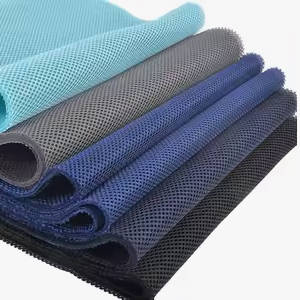
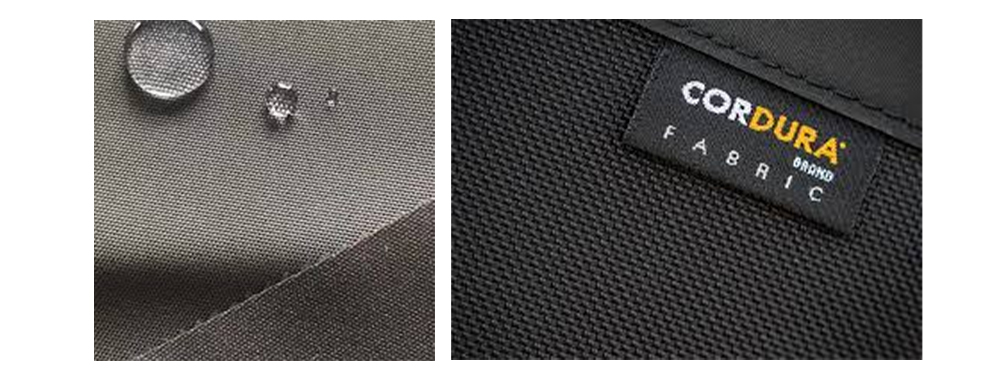
600D High-Density Polyester
- Tear Strength: 3× higher than ordinary fabrics
- Denier: 600D (fiber thickness unit)
- Coating: PU water-resistant layer
- ODM Purchase Price: $2.8–3.5 per yard (MOQ 3,000 yards)
CORDURA® Nylon (Military-Grade)
- Abrasion Resistance: Martindale 50,000+ cycles
- Use Case: Premium series, tactical backpacks
- ODM Purchase Price: $5.2–6.8 per yard
- Pricing Potential: Supports retail price +40% premium
2. Structural Reinforcement:
- Double-Stitching: Applied to all load-bearing areas
- Cost Increase: +$0.35 per unit
- Failure Rate Reduction: -60%
- Bar Tack Reinforcement: Additional strengthening at stress points
- Equipment Investment: $8,000 per machine
- Repair Rate Reduction: From 5% to 0.3%
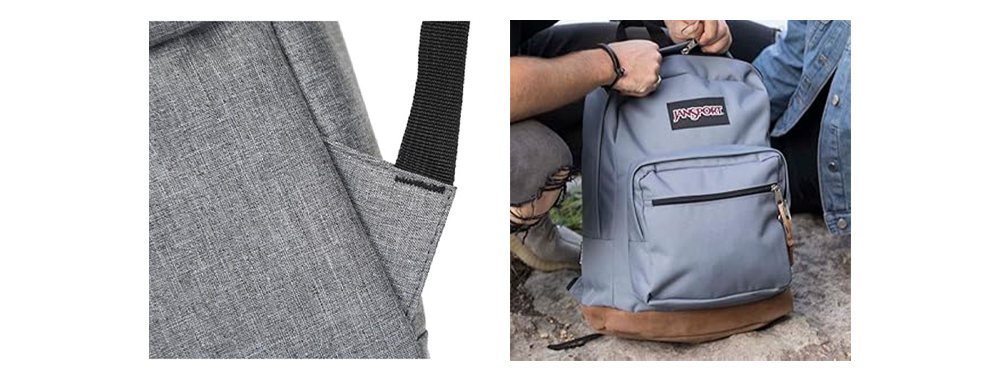
- Right Pack Suede Bottom: Designed in 1975, still in use today
- Material Cost Increase: +$1.2 per unit
- Brand Recognition: Extremely high
Manufacturer Cost Analysis: Many ODM clients worry that a lifetime warranty will erode profits. JanSport’s data shows the opposite:
| Cost Item | % of Retail Price | Description |
| Preventive Quality Investment | 8–12% | Higher-spec materials + reinforced processes |
| Actual Warranty Claims | 2–3% | Extremely low due to superior product quality |
| Brand Premium Revenue | +25–30% | Lifetime warranty supports pricing power |
| Net Profit | +15–20% | Customer lifetime value (LTV) increases 3× |
Manufacturing Perspective: Durability is not accidental; it results from consistent attention across the entire chain—from material selection, structural design, stitching processes, to quality control. For B2B factories, JanSport’s success highlights that a “long-term manufacturing mindset” is the foundation of brand trust.
III. Functional Design Philosophy
JanSport’s classic models, such as the SuperBreak, avoid overly flashy features, yet precisely address the core use cases of their users.
- Lightweight & Spacious: Main compartment + front pocket design is simple but practical, accommodating a variety of items such as textbooks, laptops, and daily commuting essentials.
- Ergonomic Carrying: Padded, breathable shoulder straps and back cushioning enhance comfort during prolonged wear.
- Scenario Extension: Gradually expanded from campus backpacks to travel, outdoor, and urban commuting, iterating consistently around the principles of practicality, capacity, and comfort.
Since its debut in the 1980s, the SuperBreak series has maintained a largely unchanged design, serving as a core carrier of the brand’s DNA.
Manufacturing Perspective: Functional design should not be about “feature stacking,” but rather about addressing real user scenarios. In custom production, we often advise clients to first clarify “who will use the product and in what context,” and then optimize functional details such as compartment layout, carrying system, and material thickness accordingly.
2. Evolution of Multi-Functional Compartments
Traditional backpack compartment design often relies on experience-based judgment. JanSport, however, has achieved a precise evolution from “experience-driven” to “data-driven” design through digital methods. This transformation provides a replicable technical pathway for ODM manufacturers.
- User Behavior Data Collection: JanSport collaborated with universities to conduct backpack usage ethnography studies, tracking item retrieval frequency for over 2,000 students using sensors. The data showed:
- Main compartment access rate: 87%
- Front pocket quick-access area: 63%
- Side pocket for water bottles: only 29% (prompting the removal of fixed side pockets in 2019)
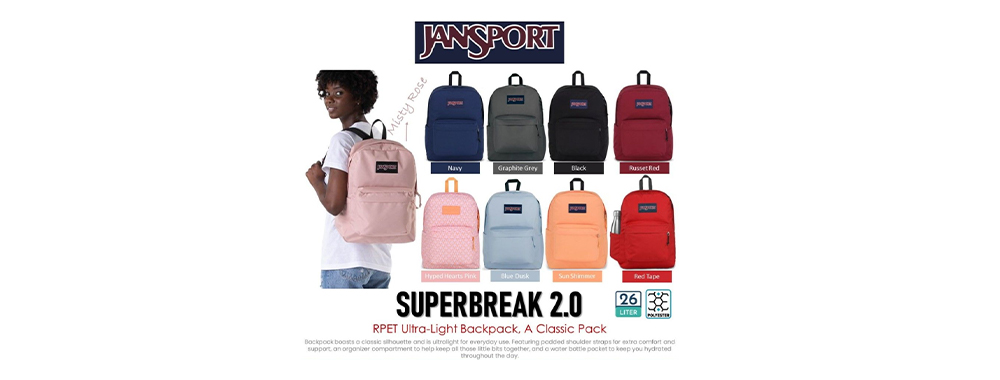
These insights directly guided the structural redesign of the SuperBreak 2.0:
- Front pocket depth increased from 12cm to 18cm to accommodate changing tablet sizes
- Main compartment zipper curvature optimized by 15 degrees, improving one-handed operation efficiency by 40%
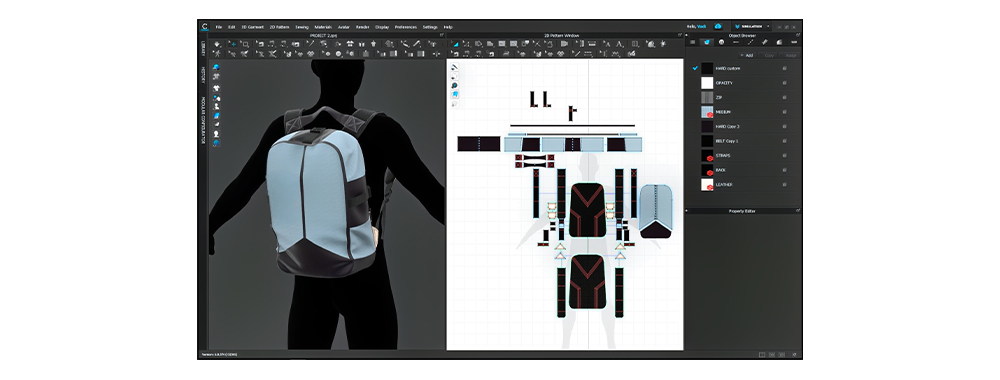
- 3D Modeling and Rapid Prototyping: JanSport utilizes the CLO 3D virtual sampling system, reducing the traditional “sample–test–revise” cycle from 6 weeks to just 72 hours. Designers can simulate stress distribution under full load in a virtual environment, anticipating stitching fatigue points.
For manufacturers, this means shorter client approval cycles but requires corresponding digital sampling capabilities—including 3D modeling software licenses (approximately $2,400/year per seat) and the development of a digital fabric library.
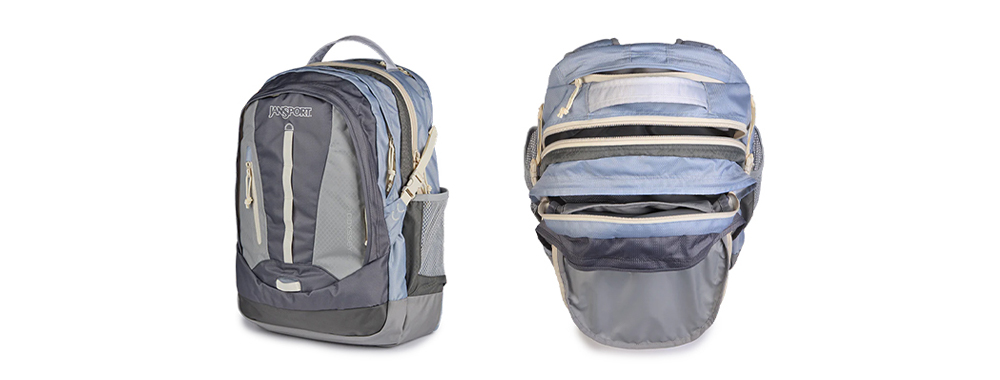
- Intelligent Compartment Algorithm: Launched in 2021, the Tech series introduced a modular compartment system. Users can input their daily carry items (laptop size, headphone type, power bank capacity, etc.) via an app, and the algorithm automatically generates an optimal compartment layout.
Behind this feature is JanSport’s database of over 500,000 user configurations, coupled with a BOM (Bill of Materials) intelligent matching system shared with partner ODM factories. For manufacturers, this requires flexible production lines—the same base backpack model must support 12 different compartment combinations, with line changeover time kept under 15 minutes.
Sustainable Digital Tracking: Each compartment component is embedded with a QR code, allowing consumers to scan and view material traceability, carbon footprint data, and recycling instructions. This introduces new requirements for supply chain transparency: ODMs need to deploy MES (Manufacturing Execution System) to enable single-item traceability. Initial investment ranges from $15,000 to $50,000 but supports the brand’s ESG premium narrative.
Manufacturer Action Recommendations: The digitalization of compartment systems is not a gimmick—it is the key to resolving the conflict between personalized customization (“one size does not fit all”) and mass production. We recommend a progressive, three-tiered implementation:
- Basic Level: 3D virtual sampling capability
- Intermediate Level: Closed-loop feedback from user data
- Strategic Level: Modular and flexible production lines
3. All-Weather Adaptability: Seamless Transition from Classroom to Outdoors
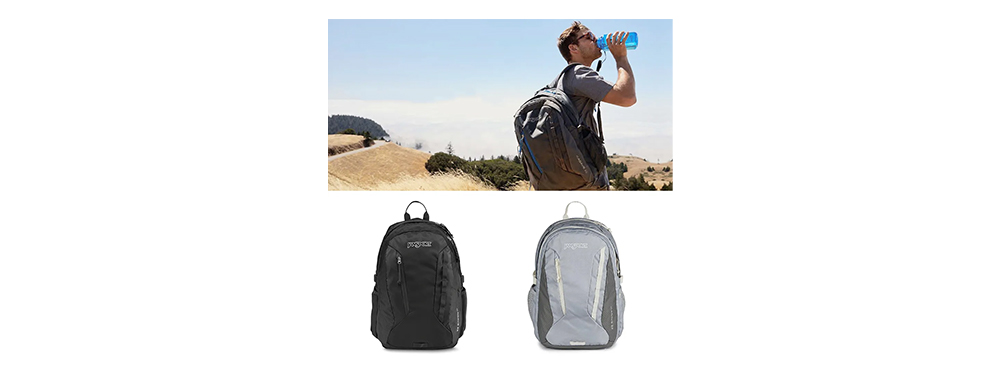
Agave Series: Advanced Water-Repellent Fabrics
- Use Cases: Light hiking, outdoor commuting
- Technical Features: Water-repellent coating + rain flap design
- Use Cases: Single-day hikes, urban exploration
- Technical Features: Ergonomic shoulder straps + tool attachment points
Manufacturer Design Insights: Applying the 80/20 Principle
JanSport’s design philosophy validates the Pareto Principle: 80% of users only utilize 20% of features. The “imperfections” of the SuperBreak—such as the absence of a dedicated laptop compartment—have become a key to its longevity. Feature subtraction reduces production costs and failure rates.
For ODM design consulting, we recommend a Core Function Validation Method:
- List all possible use scenarios for the target users (typically 15–20)
- Conduct user research to identify high-frequency scenarios (top 3 account for 80% of usage time)
- Optimize features only for these 3 core scenarios; keep the rest at a basic adaptable level
- Result: Production costs reduced by 20%, while user satisfaction increases due to an optimized core experience
IV. Personalization and Co-Creation
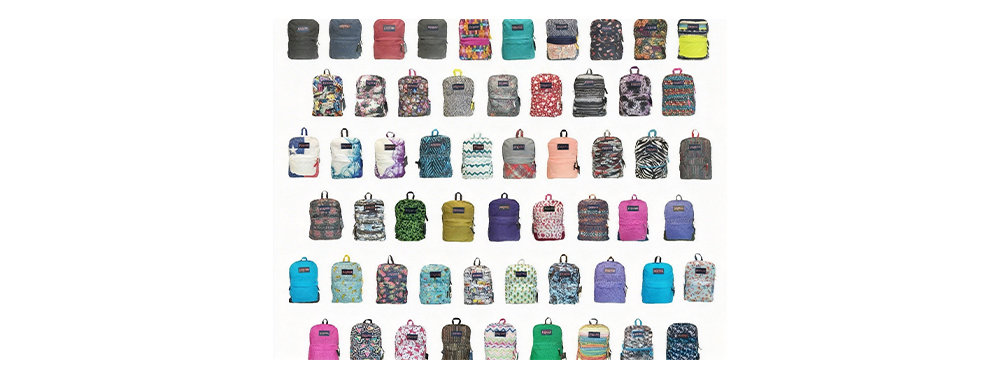
1. From “Solid Basics” to “Pattern Co-Creation”
JanSport recognized early on that backpacks are not just tools, but extensions of personal style.
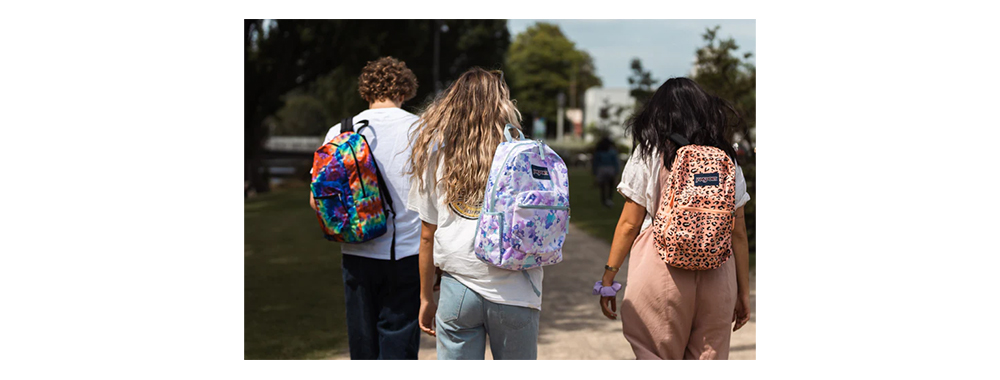
- Patterns and Collaborations: Continuously refresh classic models through music festival partnerships, artist collaborations, and limited-edition patterns.
- Customized Services: Early “custom pattern” offerings allowed users to upload images and add text to create a one-of-a-kind backpack.
- Color Matrix: Offers dozens of color options, spanning neutral, bright, and vintage aesthetics to suit diverse preferences.
Supply Chain Insights: The color matrix places high demands on supply chain management. JanSport (and its parent company VF Corporation) achieves this through the following strategies:
- Pre-Dyed Fabric Strategy: Annual framework agreements with suppliers secure base-color yarns, while seasonal colors are produced using small-batch rapid dyeing (MOQ 500 yards vs. industry standard 3,000 yards).
- Modular Production: Backpack body, shoulder straps, bottom panels, and zippers are standardized modules. Color variations are achieved through combinations, rather than full backpack remanufacturing.
- Pre-Sale Testing: Collaborative and limited-edition models use pre-sale to determine actual production quantities, minimizing inventory risk.
SYNBERRY’s flexible manufacturing system supports small-batch, multi-color production with a minimum order of 500 units and a 45-day delivery cycle, allowing new brands to validate the market without stock accumulation.
2. Material Innovation: Balancing Sustainability and Functionality
JanSport’s exploration in materials highlights the typical tension faced by traditional manufacturers transitioning toward greener practices: how to gradually replace environmentally impactful materials while maintaining functional standards, without letting costs spiral or compromising the consumer experience. This balance offers direct reference value for ODM manufacturers.
2.1 Scaled Application of Recycled Materials
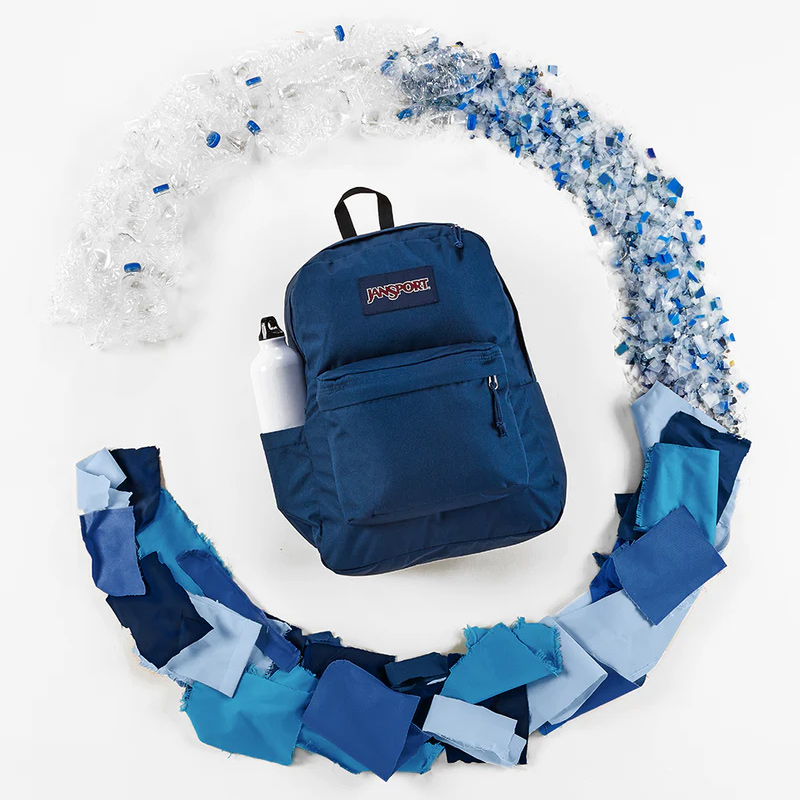
rPET recycled polyester is a cornerstone of JanSport’s sustainability transformation. This material, derived from recycled plastic bottles, now accounts for over 60% of the brand’s product line. From a manufacturing perspective, its techno-economic feasibility has reached a mature stage.

- Performance Benchmarking: Through optimized spinning processes, the tear strength and abrasion resistance of recycled polyester reach over 95% of virgin material, making differences almost imperceptible to the average consumer.
- Cost Curve: When first adopted in 2015, recycled materials carried a premium of up to +40%. With VF Corporation’s scale procurement and increased supplier competition, the current premium has been reduced to +8–12%.
- Certification Barrier: Requires GRS (Global Recycled Standard) certification, with an audit cycle of 6–8 weeks and annual fees of approximately $3,000–$5,000. Manufacturers are advised to plan ahead, using certification as a differentiation lever when developing clients.
V. Building a Cultural Icon
JanSport’s nostalgia marketing is not simply a “retro revival,” but a sophisticated system for managing cultural assets. The brand transforms its 50-year history into tangible, wearable, and shareable emotional carriers, fostering a unique cross-generational identity among Gen Z consumers. The family inheritance cycle across three generations forms the underlying logic of its nostalgia marketing strategy.

JanSport’s market research indicates that backpack usage in a typical American household follows a clear cross-generational pattern: parents in the 1980s purchased their first SuperBreak for college, passed it on to their children as a high school gift in the 2010s, and in the 2020s, the now-grown children select the same model for the next generation. This “three-generation inheritance cycle” creates remarkable brand loyalty—JanSport’s customer lifetime value (LTV) reaches 3.2× the industry average.
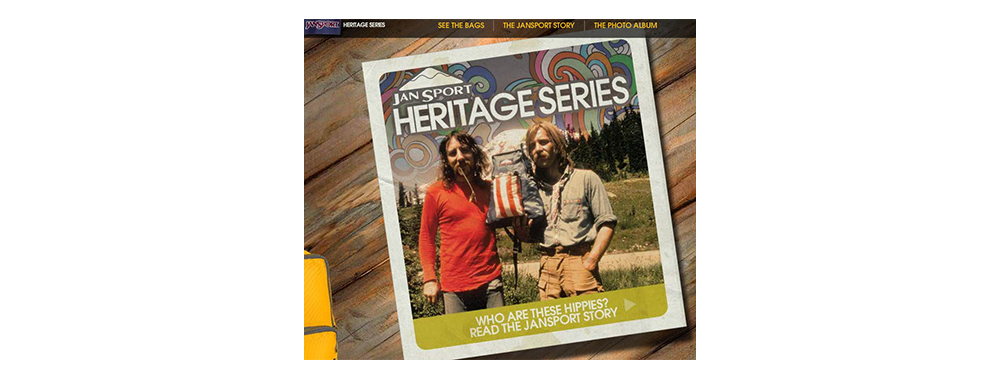
The brand deliberately reinforces this narrative. In the 2023 Heritage Collection, each backpack lining features classic archival photos from the year the series was launched, and includes a “heritage card” where users can write their name, weaving personal memories into the brand’s history.
Manufacturing Perspective: JanSport’s nostalgia marketing has become a core competitive moat for the brand. For ODM manufacturers, this translates into significantly extended client collaboration cycles—core JanSport suppliers maintain an average partnership of 18 years, far exceeding the industry average of 4–5 years. These long-term relationships are built upon a shared historical narrative: supplier factories display photos of past collaborative models on their walls, and technicians participate in archival restoration projects. This emotional bonding reduces price negotiation sensitivity and provides sustainable commercial space for quality investments.
For new brands, we recommend:
- Recognize “Emotional Moments”: Back-to-school, first trips, graduation day, etc.
- Design “Memory Anchors”: Print encouraging messages inside pockets, provide stickers, and build user communities.
- Extend Product Lifecycle: Through durability-focused design, make products act as “time capsules.”
VI. Competitive Pricing: The “Golden Pricing Zone”
JanSport’s pricing strategy demonstrates a precise balance between psychological anchoring and perceived value. The brand consistently positions its core products within the $35–$80 range, a “golden pricing zone” validated by decades of market experience, creating a distinctive consumer psychology effect.
| Model Name | Description | Price (USD) |
| JanSport SuperBreak 1.0 | Classic single-compartment backpack | $35 |
| JanSport SuperBreak 2.0 | Compared to 1.0, the laptop compartment has been added | $55 |
| JanSport Right Pack | Retro-inspired suede bottom backpack | $75 |
| JanSport Big Student | Spacious multi-compartment design | $62 |
| JanSportHalf Pint | Compact backpack for kids | $45 |
| JanSport Cross Town | Everyday carry backpack | $60 |
- Strategic positioning of the price range: The $35–$80 range sits precisely at the tipping point between “impulse purchases” and “rational decision-making.” Products priced below $35 are perceived as “disposable consumables,” with consumers expecting lower durability; products above $80 fall into the category of “investment purchases,” which involve longer decision-making cycles and more intense competitor comparison. By offering a lifetime warranty, JanSport elevates the perceived value of a $45 product to a psychological equivalent of $100+, achieving a “mid-range price, premium perception” positioning that creates a competitive mismatch.
- Dynamic pricing mechanism: The brand adopts a dual-track strategy of “stable pricing for core models + premium pricing for limited editions.” Classic models like the SuperBreak have only been repriced four times over the past 20 years, with an average annual increase below the inflation rate, reinforcing the perception of “value retention.” In contrast, collaboration and seasonal limited editions can be priced up to $85–$120, both testing price elasticity and avoiding dilution of the core products’ appeal. This structure allowed JanSport to maintain a 92% price stability rate for its core models during the inflation peak in 2022, preventing customer churn.
Manufacturing perspective: Pricing is the most challenging aspect for backpack brands. You need to strike a balance between material costs, labor costs, and the value provided to customers. JanSport excels in this regard. Their pricing strategy centers on affordability, with core products priced reasonably to meet the needs of their primary target audience—students.
SuperBreak $35 Price Point Cost Breakdown (Manufacturer Reference)
| Cost Item | Amount | Share of Total | Optimization Potential |
| Fabric (600D polyester) | $2.80 | 8% | Bulk purchasing could reduce to $2.20 |
| Accessories (zippers, buckles, webbing) | $1.50 | 4.3% | 60% are YKK zippers; replacing with SBS could save 30% |
| Labor (sewing) | $3.20 | 9.1% | Automated cutting tables could save 15% |
| Factory overhead | $1.80 | 5.1% | Economies of scale could reduce cost per unit |
| Brand profit | $8.00 | 22.9% | FOB price $17.30 |
| Logistics & duties | $3.50 | 10% | Optimizing overseas warehouse layout |
| Retail channel margin | $14.20 | 40.6% | DTC (Direct-to-Consumer) model could reduce margin to 25% |
| Retail price | $35.00 | 100% | Under DTC, manufacturer gross margin could reach 40% |
VII. Evolution of Digital Marketing: From Bookstore Channels to TikTok UGC
In the era of social media, JanSport’s marketing strategy remains worth emulating:
- UGC (User-Generated Content) Activation: Encourage users to share “backpack travel stories” or “old bag transformations,” conveying the brand spirit through authentic narratives.
- Youth-Oriented Social Media Operations: Launch hashtag challenges on TikTok and Instagram to maintain high-frequency interaction with Gen Z.
- Nostalgia Marketing: Evoke emotional memories in long-time users while attracting the new generation’s attention to classic models.
Manufacturing Perspective: For B2B factories, digitalization is not just about “taking orders online”; it also involves showcasing manufacturing processes, material technologies, and quality control procedures through content, thereby building professional trust. For new brands, we recommend designing for innate shareability: embed visual memory points—such as distinctive color schemes, signature hardware, or hidden “easter eggs”—during the product design phase to reduce the cost of UGC creation.
How to Apply to Your Backpack Production Line:
1. Material Procurement Optimization
- Establish a dual-supplier system for 600D polyester (primary + backup).
- Test CORDURA® nylon abrasion resistance (≥ 50,000 Martindale cycles).
- Customize YKK zipper color-matching system (or cost-effective SBS alternatives).
- Evaluate recycled material options (rPET) to meet ESG requirements.
- Implement fabric batch color variance control standards (ΔE < 1.5).
2. Production Process Upgrades
- Implement double-stitching + bar-tack reinforcement standards.
- Establish shoulder strap load testing procedure: 20 kg for 48 hours.
- Equip automatic suede bottom cutting machinery (e.g., Right Pack design).
- Introduce computerized modular compartment templates (compatible with 13/15/17-inch sizes).
- Implement dual quality control: full inspection + random sampling.
3. Business Model Design
- Design a 3-tier warranty program (1-year / 5-year / lifetime) to test market response.
- Calculate material cost ratio at the $35 price point (recommended ≤ 40%).
- Launch a campus ambassador seed-user program (first 100 brand advocates).
- Plan SKU matrix: 20% classic models + 60% seasonal models + 20% limited editions.
- Design DTC channel pricing (25% margin above wholesale price).
Frequently Asked Questions: Best Practices in Backpack Production
Q1: How does JanSport’s 600D polyester differ from ordinary fabrics?
JanSport uses high-density 600D polyester with a tear strength three times that of ordinary fabrics. The “600D” (denier) measures fiber thickness. Combined with a PU coating, it provides everyday water resistance. For ODM manufacturers, it is recommended to source suppliers whose fabrics pass the Martindale abrasion test with over 50,000 cycles to ensure durability comparable to JanSport.
In terms of cost, high-quality 600D polyester has an FOB price of approximately $2.5–$3.5 per yard, about 50% higher than standard 210D fabrics. However, it can support a retail price premium of +30% and significantly reduce after-sales costs.
Q2: How can backpack manufacturers design a competitive lifetime warranty policy?
The key lies in three upfront investments:
- Material Pre-Screening: All zippers must pass 100,000 open-close cycles (YKK standard), and shoulder strap webbing must have a tensile strength ≥ 200 kg.
- Reinforced Manufacturing: High-stress areas such as shoulder straps use double-stitching + bar-tack reinforcement, reducing failure rates at stress points from 5% to 0.3%.
- Cost Allocation: Keep warranty costs at 8–12% of the retail price, diluted through economies of scale. JanSport’s actual repair rate is only 2–3%, far below the industry average of 8%.
SYNBERRY provides warranty policy design consulting to help clients balance commitment with cost.
Q3: Under the ODM model, what is the typical Minimum Order Quantity (MOQ) for clients?
SYNBERRY offers flexible MOQ solutions to accommodate brands at different growth stages:
- Standard ODM: 1,000 units per color, supporting up to 5 colors per batch (total MOQ 5,000 units).
- Small-Batch Trial Production: Starting at 500 units, suitable for new brands testing the market (unit price +25%).
- Annual Framework Agreement: Privileged MOQ starting at 300 units per style, with a 45-day rapid sampling cycle.
The key to flexible production is modular design: cut pieces are pre-prepared, allowing for quick color matching and stitching upon order, rather than starting from raw fabric procurement.
Q4: From design to delivery, what is the full cycle for ODM backpacks?
The standard cycle is 60–90 days, broken down as follows:
| Stage | Duration | Description |
| Design Confirmation | 7–10 days | 3D render → prototype → revision and approval |
| Material Procurement | 15–20 days | Fabric dyeing + accessory customization (in-stock fabrics can shorten to 5 days) |
| Pre-Production Sample | 7 days | Final approval before mass production |
| Mass Production | 25–35 days | Varies based on order volume |
| Quality Inspection & Logistics | 7–10 days | Full inspection → packing → sea/air shipping |
Expedited orders can be compressed to 45 days through air-shipped materials and overtime production, suitable for high-season, time-sensitive orders.