1. What Is Fabric Denier?
1.1 Fabric Structure
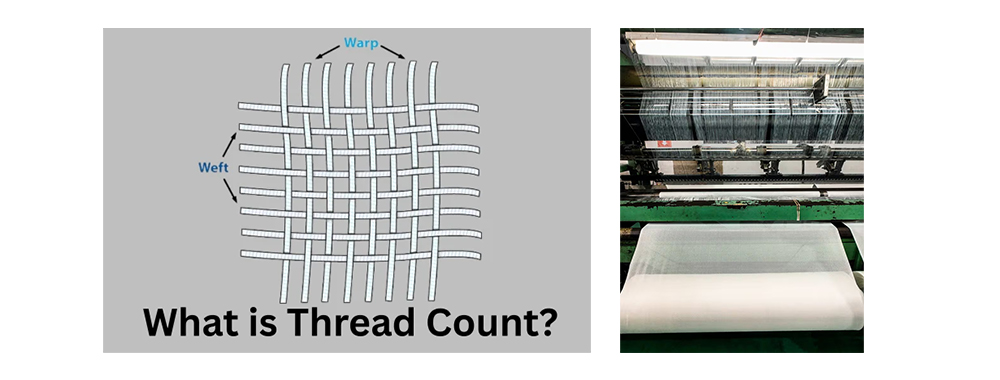
Fabric is a textile material produced through the processes of spinning, weaving, and finishing fibers. From a structural perspective, it can be divided into two basic components: warp yarns and weft yarns. Warp yarns are arranged along the lengthwise direction of the fabric, while weft yarns are arranged along the widthwise direction and interlace perpendicularly with the warp yarns. The two interlace with each other to form the overall structure of the fabric.
1.2 Definition of Denier (D)
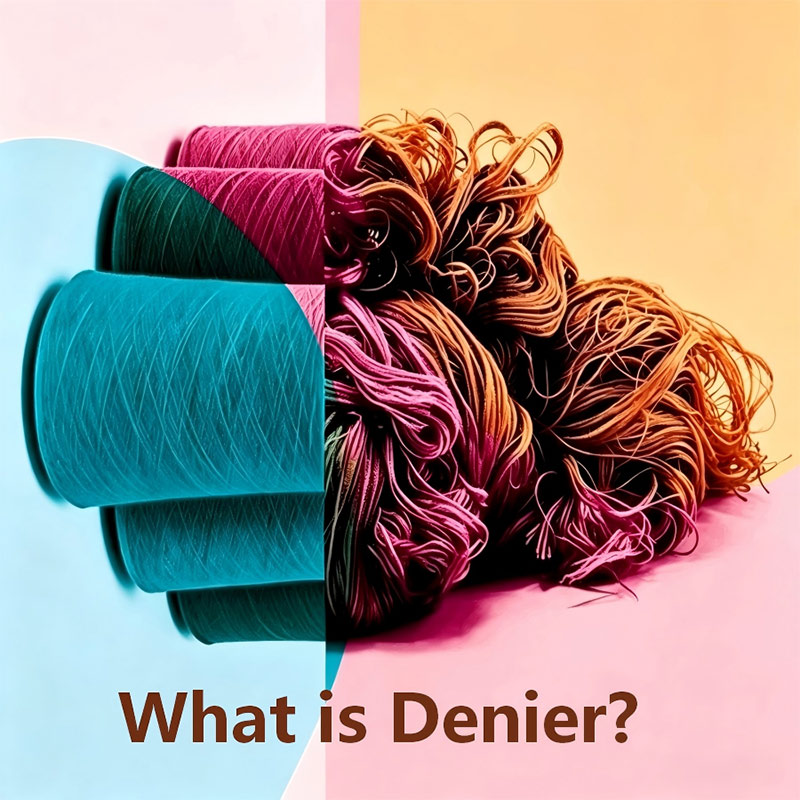
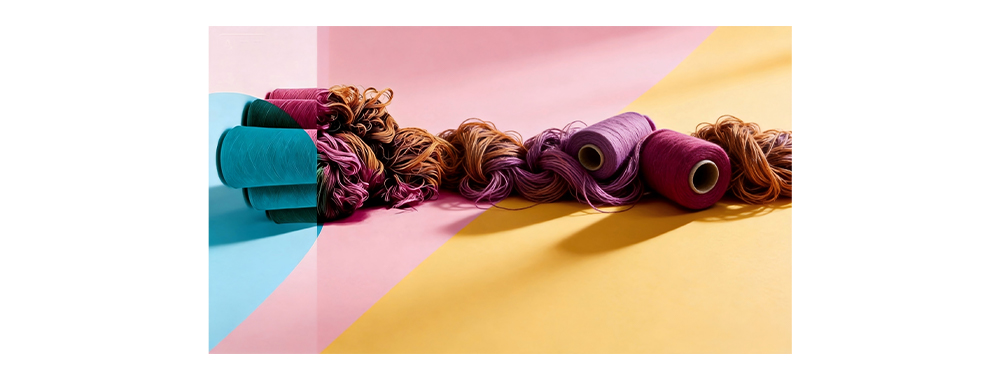
Denier (D) refers to the fineness of each individual yarn in a fabric, describing the thickness of the yarn. The overall structural density and durability of a fabric are directly related to the denier value of its individual yarns.
It is defined as the weight in grams of a fiber or yarn that is 9,000 meters long. For example, if a yarn is 9,000 meters long and weighs 150 grams, its denier is 150D.
The higher the denier, the thicker the yarn and the heavier the fabric; the lower the denier, the finer the yarn and the lighter and thinner the fabric. This is one of the most fundamental and critical parameters in material selection for bag OEMs.
1.3 The Difference Between Denier and Fabric Density
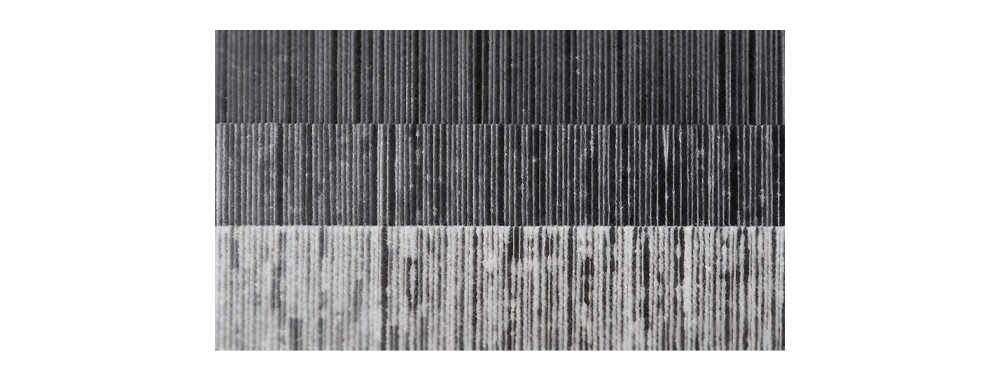
Many customers who are new to the backpack OEM industry tend to confuse denier with fabric density (Thread Count). It is important to clarify that:
- Denier: Measures the thickness of a single yarn and reflects the fabric’s “thickness” and “strength.”
- Fabric Density (Thread Count / T-count): Measures the number of warp and weft yarns per unit area and reflects the fabric’s “tightness” or “density.”
The two factors together determine the fabric’s hand feel, strength, and appearance. As an experienced backpack manufacturer, when customizing products for our customers, we consider the matching relationship between denier and fabric density to achieve the best possible cost-performance ratio.
2. Common Denier Ranges for Bag Fabrics
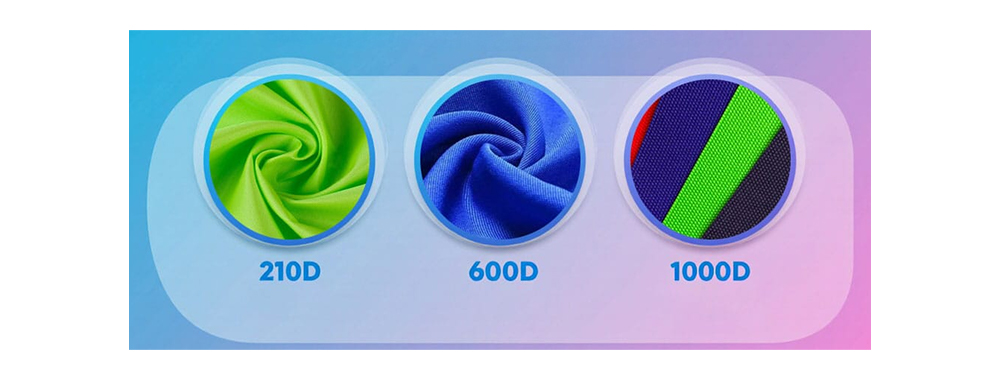
In rucksack OEM production, the required Denier value of the fabric varies significantly depending on the intended use of the bag. The following are the common D-count classifications used in the industry:
2.1 Low-Denier Fabrics (50D-210D)
Typical Fabrics:
- Polyester/Nylon Oxford Fabric: 150D, 210D — Polyester is the most common, although nylon specifications are also available.
- Polyester Taffeta: The most common Denier values for polyester taffeta are 63D and 68D. They are typically paired with fabric density specifications such as 190T or 210T, and this combination is one of the most widely circulated fabric specifications in the market.
- Chunya Fabric: 75D is the most common specification for Chunya fabric, typically paired with 240T or 300T density specifications. In addition, combinations such as 50D and 60D/100D are also commonly used in basic product ranges.
- Ripstop Fabric: 210D nylon is a very common specification, often used for lightweight backpacks or as a lining material in high-end backpacks.
Characteristics:
- Lightweight, thin, and soft texture
- Good breathability
- Suitable for making linings, storage bags, and lightweight backpacks
Applications:
- Linings for sports backpacks
- Main fabric for foldable storage bags
- Auxiliary fabric for lightweight hiking backpacks
2.2 Medium-Denier Fabrics (300D-600D)
Typical Fabrics:
- Polyester/Nylon Oxford Fabric: Specifications such as 420D and 600D polyester Oxford fabric are among the most mainstream fabrics used in the luggage and bag industry.
- Jacquard/Twill Fabric: Within this range, different weaving techniques can be used to create a wide variety of textures and surface effects.
Characteristics:
- A good balance between strength and weight
- Moderate hand feel and easy to process
- High cost-performance ratio, making it a mainstream choice in the bag OEM industry
Applications:
- Daily lightweight commuter backpacks (300D-420D polyester Oxford fabric)
- Student backpacks (420D-600D nylon or polyester)
- Business laptop bags (600D waterproof fabric)
2.3 High-Denier Fabrics (800D-1680D)
Typical Fabrics:
- High-End Oxford Fabric: Such as 840D, 900D, 1000D, and 1200D nylon or polyester Oxford fabric.
- Ballistic Nylon: Especially the classic 1680D double-yarn construction, which offers extremely high abrasion resistance and is considered a symbol of high-end, durable bags.
- CORDURA® Nylon: As a representative of premium-grade nylon, 1000D and 1050D CORDURA® are benchmarks for tactical equipment and high-strength outdoor bags.
Characteristics:
- Extremely high abrasion resistance and tear resistance
- Firm and structured fabric with excellent shape retention
- Heavier weight and higher cost
Applications:
- Tactical backpacks and military bags
- Professional camera equipment bags
- High-end business backpacks
- Heavy-duty tool bags and outer layers of travel luggage
3. How Fabric Denier Affects Key Bag Performance
We recommend that brands first evaluate the impact of the fabric’s Denier value on product performance from the following dimensions before starting the development of each new project:
3.1 Abrasion Resistance
The Denier value is positively correlated with abrasion resistance. The thicker the yarn, the more friction cycles the fabric surface can withstand. According to the Martindale abrasion test standard:
- 210D polyester Oxford fabric: approximately 15,000 – 25,000 abrasion cycles
- 600D polyester Oxford fabric: approximately 30,000 – 50,000 abrasion cycles
- 1050D ballistic nylon: more than 100,000 abrasion cycles
For products that require long-term use, such as outdoor hiking backpacks or tactical backpacks, choosing fabrics above 600D is a wise choice.
3.2 Tear Strength
High-Denier fabrics not only use thicker yarns but also typically have a higher weaving density, which directly improves the fabric’s tear resistance. In actual tests conducted by a bag factory, the tear strength of 1680D fabric is typically 3 – 4 times higher than that of 420D fabric.
3.3 Water Resistance
The Denier value itself does not directly determine waterproof performance, but there is an indirect relationship:
- High-Denier fabrics have a tighter weave structure, making it more difficult for water molecules to penetrate.
- High-Denier fabrics are better able to support waterproof coatings, such as PU coatings and TPU laminations.
- To achieve the same level of waterproof performance, low-Denier fabrics require thicker coatings, which can negatively affect the fabric’s hand feel.
During the waterproof backpack OEM customization process, we typically recommend:
- Daily waterproof requirements (water repellency): 300D – 600D + DWR treatment
- Professional waterproof requirements (heavy rain protection): 600D or above + PU coating of 3000mm or higher, or TPU lamination
3.4 Weight and Portability
This is a key trade-off when selecting the Denier value. Each increase in Denier level generally increases the fabric weight by approximately 15% – 25%. For products designed with lightweight performance in mind, it is necessary to find the optimal balance between strength and weight.
DH Bags’ experience sharing:
- 210D: approximately 60 – 80 gsm
- 420D: approximately 150 – 180 gsm
- 600D: approximately 190 – 210 gsm
- 1050D: approximately 320 – 380 gsm
- 1680D: approximately 350 – 400 gsm
3.5 Hand Feel and Appearance
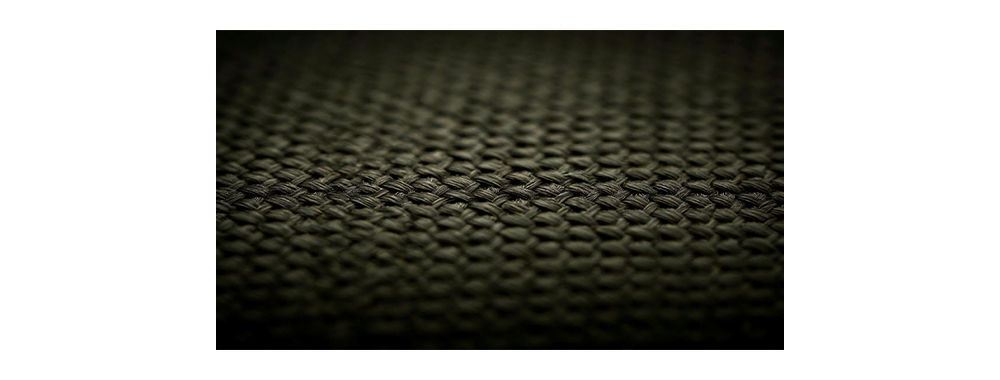
The Denier value also directly affects the fabric’s hand feel and visual appearance:
- Low Denier: Soft, with good drape and a delicate sheen; suitable for linings or lightweight backpacks.
- Medium Denier: Balanced hand feel with moderate stiffness and structure; suitable for most backpack OEM projects.
- High Denier: Firm, rugged, and substantial in appearance and feel; suitable for professional, outdoor, and tactical-style products.
4. How to Choose the Right Denier Fabric for Your Project
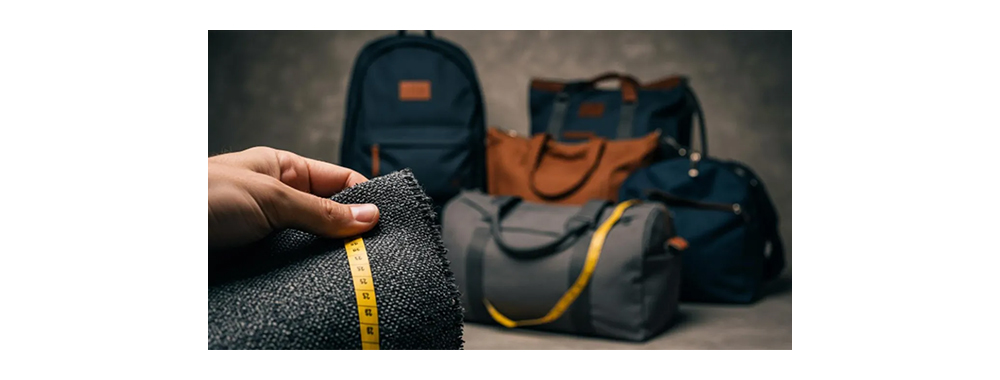
Based on many years of backpack OEM/ODM manufacturing experience, we provide the following Denier recommendations for different product types:
4.1 Backpack Products (Backpack OEM)
| Product Type | Main Fabric Denier Range | Lining Fabric |
| Daily Commuter Backpack | 300D – 600D | 68D/210T polyester taffeta or 75D/240T Chunya fabric |
| Student Backpack | 420D – 600D | 68D/210T polyester taffeta or 75D/240T Chunya fabric |
| Business Laptop Bag | 600D – 840D | 150D polyester pongee |
| High-End Business Backpack | 1050D – 1680D ballistic nylon | 150D polyester pongee |
| Camera Equipment Bag | 840D – 1680D | Soft fleece lining |
| Tactical Backpack | 1000D – 1050D CORDURA® nylon | 210D nylon |
4.2 Other Bag Products (Bag OEM)
| Product Type | Recommended Denier Range | Remarks |
| Tote Bags / Shopping Bags | 150D – 300D | Focus on lightweight construction and foldability |
| Cosmetic Bags / Toiletry Bags | 150D – 300D + waterproof coating | Focus on water resistance and easy cleaning |
| Travel Bags / Duffle Bags | 600D – 1200D | Must withstand handling and baggage transportation |
| Insulated Bags / Cooler Bags | 300D – 600D + aluminum foil lamination | Requires additional insulation material |
| Tool Bags | 1000D – 1680D | Designed for extreme durability requirements |
| Sports Bags / Gym Bags | 420D – 840D | Requires water repellency and easy cleaning |
5. Frequently Asked Questions About Denier — Professional Answers (FAQ)
Q1: Is a higher fabric Denier value always better?
A: The choice of Denier value should be based on the intended use of the product. An excessively high Denier value can add unnecessary weight and cost. For example, if a foldable backpack designed to be “ultra-lightweight and portable” uses 1000D fabric, its durability may be excellent, but this goes against the original design concept of the product and may actually reduce market acceptance.
Q2: Do nylon and polyester have the same performance when they have the same Denier value?
Correct answer: Even at the same Denier value, nylon and polyester have significant differences in performance:
| Performance Indicator | Nylon | Polyester |
| Strength | Higher | Slightly lower |
| Abrasion Resistance | Superior | Good |
| Moisture Absorption | Higher | Lower |
| Lightfastness | Poorer (prone to yellowing) | Better |
| Price | Higher | Lower |
Q3: Can the Denier value be directly converted into fabric thickness?
A: Denier reflects the thickness of the yarn, while the actual fabric thickness is also affected by factors such as weaving method, fabric density, and coating. For example, 420D Oxford fabric may be thicker than 600D Taslan, because Oxford fabric uses a basket-weave construction with a relatively more voluminous structure.
Q4: Are low-Denier fabrics less durable?
A: With advanced weaving technologies and finishing processes, low-Denier fabrics can also achieve excellent durability. For example, 30D silicone-coated Ripstop nylon, after silicone treatment, can achieve tear resistance comparable to that of conventional 200D fabrics. In the ultralight backpack OEM sector, the application of low-Denier fabrics has already become highly mature.
Conclusion
Throughout the complete backpack OEM production chain, fabric Denier is a core consideration that runs through the entire process. It is not merely a number; rather, it represents a combination of product performance, cost structure, and brand positioning.
As a professional bag manufacturing partner, DH Bags recommends that every bag OEM customer follow the decision-making framework below when selecting the appropriate fabric Denier value:
- Define the product positioning: Who are the target users? What are the intended usage scenarios? What is the expected service life?
- Balance the performance triangle: Find the optimal balance among strength, weight, and cost.
- Consider the impact across the entire production chain: The choice of Denier affects sewing processes, hardware/accessory specifications, packaging methods, and transportation costs.
- Allow sufficient time for testing and validation: Before mass production, fabric testing and sample-bag testing should always be conducted.
Whether you need 150D ultra-lightweight fabric to create extreme lightweight equipment or 1680D heavy-duty fabric to manufacture industrial-grade tool bags, DH Bags is capable of providing a one-stop backpack OEM solution, covering everything from fabric selection and process development to mass production.