- I. Phase One: Requirement Communication and Technical Breakdown (1–3 Working Days)
- II. Phase Two: Material Procurement and Manufacturing Process Confirmation (2–5 Working Days)
- III. Phase Three: Initial Prototype Sample Production (5–10 Working Days)
- IV. Phase Four: Modification, Optimization, and Pre-Production Sample Confirmation (3–7 Working Days)
- V. Phase Five: Mass Production
- VI. Four Key Factors Affecting the Development Timeline
- VII. Four Practical Suggestions for Brand Owners
- VIII. FAQ
- Conclusion
For entrepreneurs or buyers looking to build their own bag brands, the Bag OEM model is one of the most common cooperation methods. However, from a design draft to receiving an approved pre-production sample, what steps need to be completed in between, and how long does the entire process usually take? These are often the practical concerns that brand owners care about most. This article will systematically explain the complete development timeline from the perspective of a bag factory, helping you establish realistic expectations for each stage.
Introduction: Why Is Time Estimation So Important for OEM Projects?
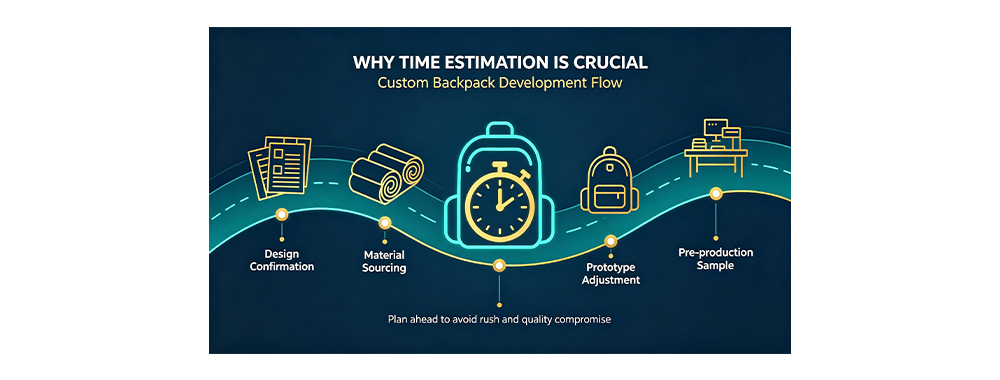
In the bag industry, the length of the development cycle directly affects a brand’s market launch schedule. Promising a launch date too early may result in rushed sampling and compromised quality; while insufficient preparation time may cause difficulties due to material shortages, process adjustments, and other unexpected issues. Therefore, understanding the standard development process of a Backpack manufacturer is essential for efficient cooperation between brand owners and a Bag factory.
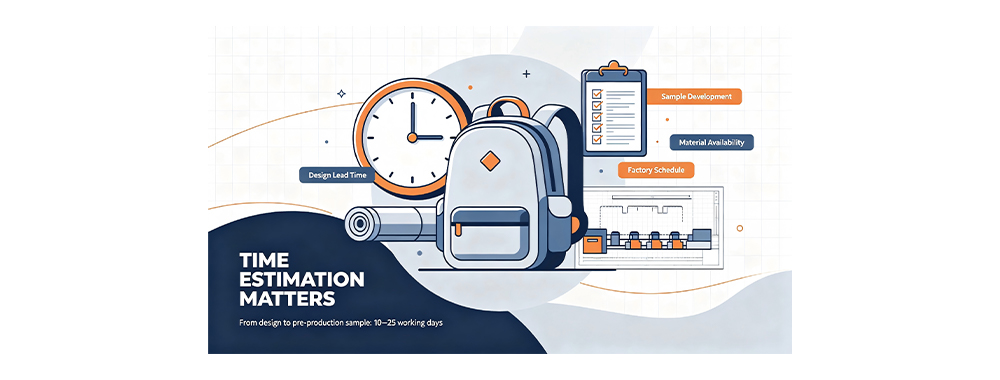
Under normal circumstances, the entire process from design draft confirmation to delivery of the pre-production sample usually takes approximately 10 to 25 working days. However, this timeframe is not fixed. It depends on multiple factors, including design complexity, material availability, and the factory’s current production schedule.
I. Phase One: Requirement Communication and Technical Breakdown (1–3 Working Days)
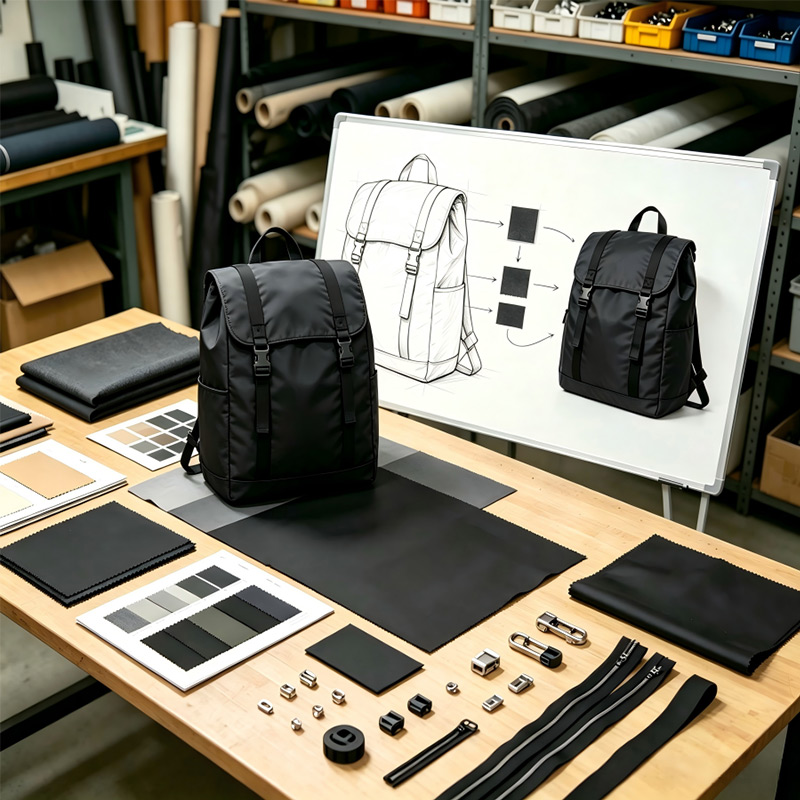
Everything begins with clear and accurate requirement communication. During this stage, the brand owner needs to provide the factory with:
- Design drafts or reference samples (including dimensions, structure, and functional compartments)
- Target fabric/material types and texture requirements
- Estimated order quantity and target cost range
- A required accessory list (zippers, buckles, webbing, and other components)
The technical team of the Bag OEM factory will evaluate the feasibility based on this information, determining whether the product structure is reasonable, whether the manufacturing processes are mature, and whether the cost can be controlled. If there are potential structural issues in the design draft (such as unreasonable stress points or insufficient seam allowances), the factory will provide modification suggestions at this stage.
Although this stage usually takes the shortest amount of time, it is a critical factor that determines the efficiency of the following steps. The clearer the requirements are, the fewer revisions and rework will be needed.

II. Phase Two: Material Procurement and Manufacturing Process Confirmation (2–5 Working Days)
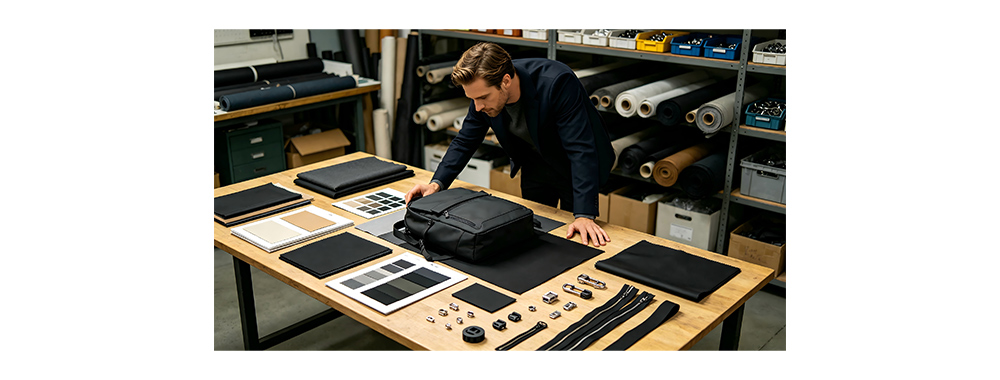
The overall look and feel of a bag depends heavily on its materials. Once the design direction has been finalized, the factory needs to:
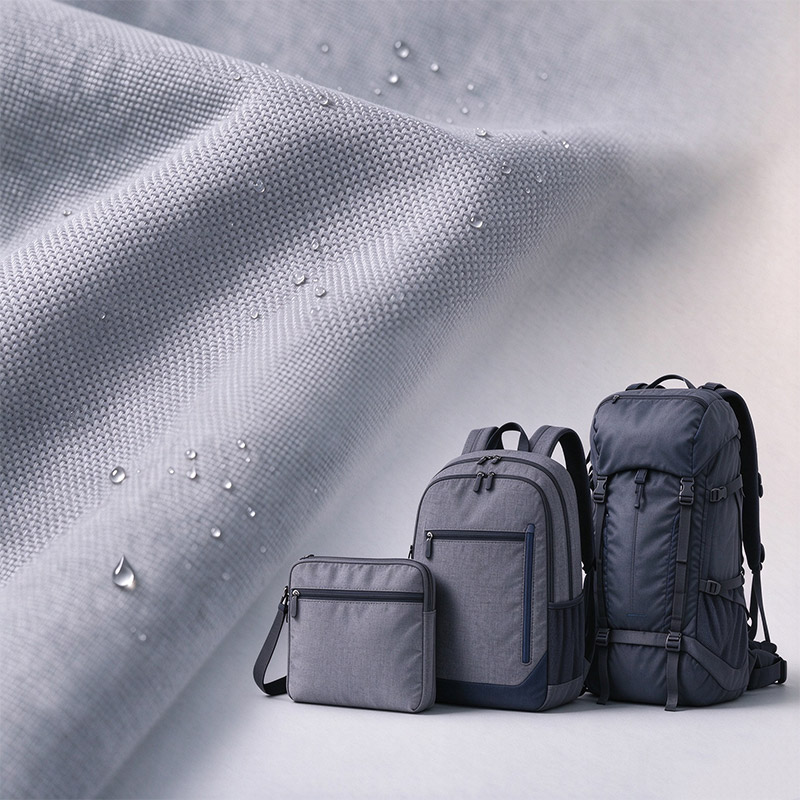
2.1 Fabric Matching: Identify suitable fabrics based on requirements such as weight, coating, hand feel, and other specifications, or select from existing inventory.
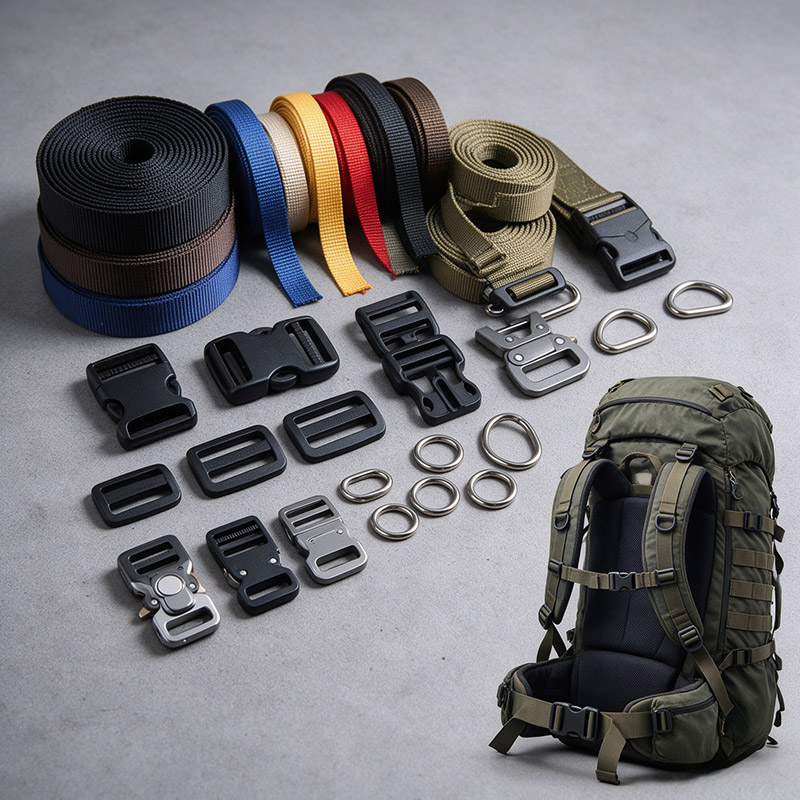
2.2 Trim and Accessory Confirmation: Zippers, buckles, webbing, lining, and other components need to be confirmed with the brand owner in terms of color, specifications, and suppliers.
2.3 Manufacturing Process Planning: Determine the sewing process and whether special techniques are required, such as laser cutting, seamless seam taping, embroidery, and other processes.
If the brand owner specifies special imported fabrics or customized hardware, the timeline for this stage may be significantly extended. Conversely, if standard materials regularly stocked by the factory are used, the process can be shortened to around 2 working days.
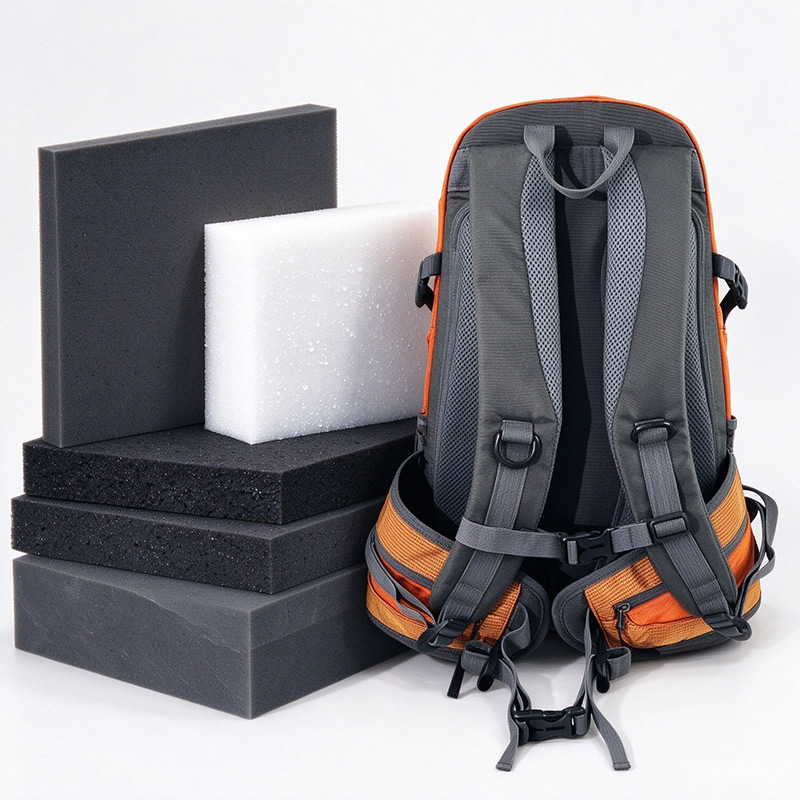
For Backpack OEM projects, structural components of the carrying system, such as back panels and shoulder-strap padding, are often among the most time-consuming items to confirm. It is recommended that brand owners communicate alternative solutions with the factory in advance.
III. Phase Three: Initial Prototype Sample Production (5–10 Working Days)
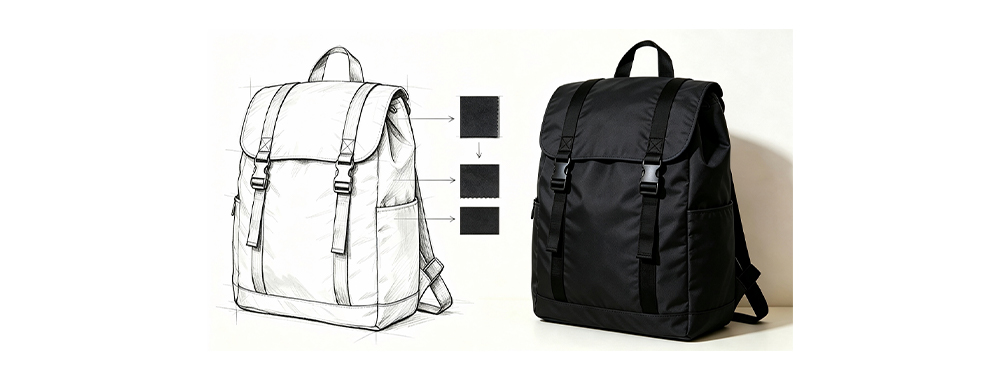
This is the core stage that typically takes the longest throughout the entire development cycle. Based on the confirmed materials and manufacturing processes, the pattern maker will create the first sample either manually or semi-manually. The purpose of prototype development is not simply to “make a bag that looks similar,” but also to verify the following:
- Structural Reasonability: Whether the bag maintains the desired shape, whether the opening is convenient and easy to use, and whether the compartment layout is practical.
- Dimensional Accuracy: Whether there are any visual discrepancies between the proportions of the actual sample and those shown in the design draft.
- l Manufacturing Feasibility: Whether complex curves or panel-joining structures can be consistently reproduced during mass production.
Once the initial prototype is completed, the factory will typically conduct an internal inspection to ensure there are no obvious issues before sending it to the brand owner for review. After receiving the sample, the brand owner can provide any modification requests during this stage.
IV. Phase Four: Modification, Optimization, and Pre-Production Sample Confirmation (3–7 Working Days)
Based on the modifications requested by the client, the factory may need to carry out the following adjustments depending on their complexity:
- lMinor Adjustments: Changing fabric colors, adjusting the logo position, modifying the bag opening dimensions (1–2 working days)
- Moderate Adjustments: Restructuring compartment layouts, changing accessory specifications, optimizing load-bearing stitching (3–5 working days)
- lMajor Rework: Completely redesigning the structure or replacing the main fabric (equivalent to going through Phase Three again)
After 1 to 2 rounds of revisions, the finally approved sample becomes the Pre-Production Sample (PPS). The significance of the pre-production sample is that it serves as the “standard reference sample” for mass production. All bags produced during mass production must follow this sample as the benchmark. Therefore, when approving the pre-production sample, the brand owner must be meticulous. It is recommended to pay particular attention to details such as stitch density, hardware strength and durability, and acceptable color variation ranges.
V. Phase Five: Mass Production
After completing the four stages above, the project officially enters the mass production stage. The core objective of this stage is to transform the approved pre-production sample into stable, efficient, and quality-compliant products for batch production. Based on the pre-production sample, the factory will prepare a detailed production process sheet (Tech Pack), specifying the operating requirements, inspection standards, and key control points for each production process.
Before mass production begins, the backpack factory will typically carry out the following preparations:
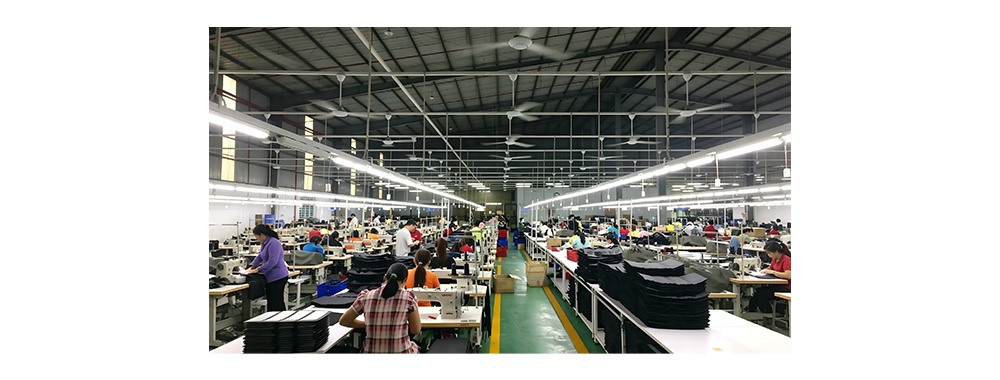
- Production Line Scheduling and Personnel Allocation: Allocate manpower for sewing, cutting, quality inspection, and other workstations according to the order quantity;
- Material Completeness Check: Ensure that all main materials and auxiliary materials listed in the production process sheet are fully available, and conduct incoming material sampling inspections to prevent production line stoppages caused by material shortages or mass-production rework caused by material batch inconsistencies;
- First Piece Check: Before batch cutting or sewing begins, produce 1–2 first-piece samples, which are jointly checked by the QC team and production supervisor to ensure they fully comply with the pre-production sample standards.
The mass production cycle generally depends on the order quantity, process complexity (such as whether the bags involve multi-layer composite construction, special seam taping, or hand-sewing processes), as well as the factory’s current production capacity and workload.
VI. Four Key Factors Affecting the Development Timeline
Based on the process outlined above, the factors that affect the timeline can be summarized into the following four points:
| Influencing Factor | Impact on Timeline |
| Design Complexity | Multiple compartments, unconventional structures, and special manufacturing processes can significantly increase prototype-making time. |
| Material Availability | Customized fabrics or imported accessories may add an additional 5–15 days of waiting time. |
| Communication Efficiency | Delays in feedback from the brand owner are the primary reason that the development cycle is “artificially extended.” |
| Factory Production Schedule | During peak seasons, prototype-making resources can be in high demand, so buffer time should be reserved in advance. |
VII. Four Practical Suggestions for Brand Owners
7.1 Prepare a “Complete Design Brief”
Include inspiration images, reference samples, design elements that must be retained, and details that can be compromised on or adjusted. The more complete the information, the better the factory can understand your intentions from the outset.
7.2 Allow at Least 3 Weeks for the Development Cycle
Even if the design is relatively simple, it is recommended to allow sufficient time for material confirmation, prototype modifications, and logistics. A pre-production sample rushed through the development process is often more likely to conceal structural issues or manufacturing defects, which can easily become amplified during subsequent mass production.
7.3 Establish a Clear Feedback Mechanism
After receiving the prototype sample, be sure to organize an internal review within 48 hours and consolidate all modification requests into a single round of feedback. Scattered and repeated feedback not only extends the communication cycle but also increases the prototype team’s cost of understanding the requirements, and may even lead to confusion regarding the direction of revisions.
It is recommended to designate one point of contact to collect and consolidate feedback from design, product, supply chain, and other teams. This person should create a structured feedback list that clearly distinguishes between “mandatory modifications” and “recommended improvements,” while providing specific dimensions, positions, or reference images showing the desired effect.
Clear and actionable feedback is key to shortening the time required for Phase Four and ensuring that the pre-production sample can be approved in a single round.
7.4 Choose a Factory with Strong Prototype Development Capabilities
Not every Backpack Supplier has independent prototype development capabilities. Before entering into a partnership, it is important to understand whether the factory has a dedicated pattern-making team and whether its previous development projects are a good match for your requirements. This can effectively reduce communication costs.
VIII. FAQ
Q1: What is Bag OEM, and what is the difference between OEM and ODM?
A:
- Bag OEM (Original Equipment Manufacturing) refers to a cooperation model in which the brand owner provides the design方案, and the factory manufactures the products according to the provided specifications.
- Bag ODM (Original Design Manufacturing), on the other hand, means that the factory provides the design方案, while the brand owner makes adjustments based on the factory’s design or directly applies its own branding.
OEM is more suitable for brands that already have a clear design direction and want to maintain control over product details. ODM is more suitable for customers who want to launch products quickly and reduce their upfront design investment.
Q2: What standards should a design draft meet before it can be submitted to a bag factory?
A: Ideally, the design draft should include front, side, and back views, with key dimensions clearly marked, as well as specifications for the fabric, colors, and hardware. If the design includes internal compartments, it is recommended to provide a cross-sectional diagram or written explanation.
Hand-drawn sketches with detailed annotations can also be accepted by factories. However, vector files such as AI or PDF are more accurate when it comes to maintaining proportions and communicating manufacturing requirements.
Q3: Can OEM development begin if there is no physical reference sample and only a concept image?
A: Yes, but the development cycle and communication costs will generally be higher. A physical reference sample can help the factory quickly understand the target texture, structure, firmness, and details of the product.
If you only have a concept image, it is recommended to supplement it with fabric swatches, competitor product breakdowns, or detailed written descriptions to reduce the possibility of misunderstandings by the factory.
Q4: Will there be differences between the pre-production sample and the mass-produced products?
A: In a standardized Backpack OEM process, the pre-production sample serves as the “golden standard” for mass production. In theory, mass-produced products should remain consistent with the pre-production sample.
However, in actual production, slight color differences may occur between different batches of fabric. Therefore, choosing a professional Bag factory is crucial. Its quality-control system should include incoming material inspection before production, allowing deviations to be identified and corrected in a timely manner.
Q5: Will making temporary design changes during the development process affect the overall timeline?
A: Yes. Any structural changes proposed after materials have already been purchased or while the prototype is being developed may result in rework or even require the entire process to be restarted.
Q6: If the pre-production sample is not satisfactory, is there a limit to the number of revisions?
A: This depends on the cooperation agreement with the Bag factory. Most factories provide 2–3 rounds of free revisions within a reasonable scope. Additional revisions may be charged based on the required working hours.
To avoid repeated revisions, the brand owner should consolidate all modification requests into a single round during each review and prioritize them, rather than providing scattered feedback in multiple rounds.
Q7: How can you evaluate whether a backpack manufacturer has reliable product development capabilities?
A: There are three key areas to evaluate:
- First, the prototype team: Does the factory have dedicated pattern makers rather than temporarily assigning production-line workers to prototype development?
- Second, project compatibility: Are the types of products the factory has developed in the past similar to your requirements?
- Third, communication response speed: During the development stage, are questions and issues addressed promptly and professionally?
Q8: How soon can mass production begin after the pre-production sample is approved?
A: After the pre-production sample is approved, the factory usually needs 1–3 working days to complete the preparation of production documents, such as nesting layouts, production process sheets, and bills of materials. Procurement and production instructions can then be issued.
If all materials have already been prepared in advance, some factories can achieve “production immediately after sample approval.” If the main fabric needs to be purchased again, additional waiting time will be required for the materials to arrive at the factory.
It is recommended that brand owners confirm the mass production schedule with the factory at the same time that the pre-production sample is being approved.
Conclusion
From the design draft to the pre-production sample, the development process of a professional Bag manufacturer is essentially a process of “requirement translation” and “manufacturing process validation.” Understanding the logic and time required for each stage can not only help brand owners develop more realistic product launch plans, but also establish a more professional foundation for communication when collaborating with factories.
For products such as bags, where structural details directly determine the user experience, taking the time to carefully refine the pre-production sample is always one of the most worthwhile investments of time.