The “Made in USA” label still carries powerful marketing appeal. For backpack brands targeting patriotic consumers, outdoor enthusiasts, or government contractors, domestic manufacturing sounds like the ideal choice. But if you are a buyer, product developer, or entrepreneur looking to place a bulk order—hundreds or thousands of units—you need to understand a hard industry truth first: backpack manufacturing is labor-intensive, and the United States is no longer structured for mass production of soft goods.
That is not an opinion. It is a structural reality shaped by economics, supply chains, and labor markets. The good news? You can still find valuable U.S. partners. You just need to know what they can realistically do, what they cannot do, and how to build a sourcing strategy that actually works.
Here is an honest, practical guide to finding backpack manufacturing partners in the USA—without the unrealistic promises.
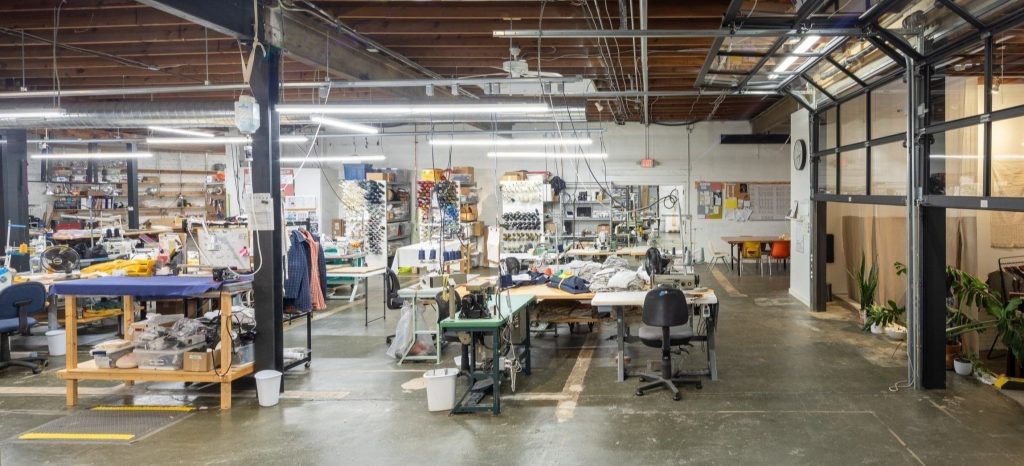
The Structural Problem: Why Mass Backpack Production Left the U.S.
To understand what is possible today, you need to understand why large-scale bag production largely disappeared from America over the past four decades.
1. Labor Cost Disparity Backpacks are cut, sewn, assembled, and inspected by hand. Even with automation, skilled human labor remains the core input. In the U.S., a sewing operator earns anywhere from $15 to $25 per hour. In Vietnam or Cambodia, that same role costs a fraction. When you multiply that across a 5000-piece or 50,000-piece order, the unit-cost gap becomes insurmountable for mid-market brands. A backpack that costs $8 to produce in Asia might cost $35 to $50 in the U.S.—before materials.
2. The Missing Supply Chain Manufacturing is not just about sewing machines. A single backpack requires fabric, lining, webbing, foam padding, zippers, buckles, mesh, thread, labels, and packaging. The U.S. once had a robust textile ecosystem, but most of it offshored or shut down. Today, even if you find a cut-and-sew shop in Los Angeles or North Carolina, the Cordura nylon, YKK zippers, and Duraflex hardware often still ship from Asia. “Made in USA” in soft goods frequently means assembled in the USA, not sourced in the USA. That adds import costs and lead-time complications without delivering the pure domestic story many buyers imagine.
3. The Skilled-Labor Shortage Sewing is a craft. Experienced pattern makers, sample sewers, and production-line operators take years to train. In the U.S., younger generations have largely exited the trade, and immigration policies have not replenished the workforce. The factories that remain are typically small, family-run operations with 5 to 50 machines. They are proud, capable, and precise—but they are not built for volume.
4. No Economies of Scale An Asian backpack factory might run 20 production lines and output 3,000 units per day. A typical U.S. soft-goods shop might produce 200 to 500 units per week. If your brand needs 10,000 backpacks for a back-to-school season or a corporate rollout, a domestic workshop simply cannot absorb that load without subcontracting to other tiny shops—creating quality-control nightmares.
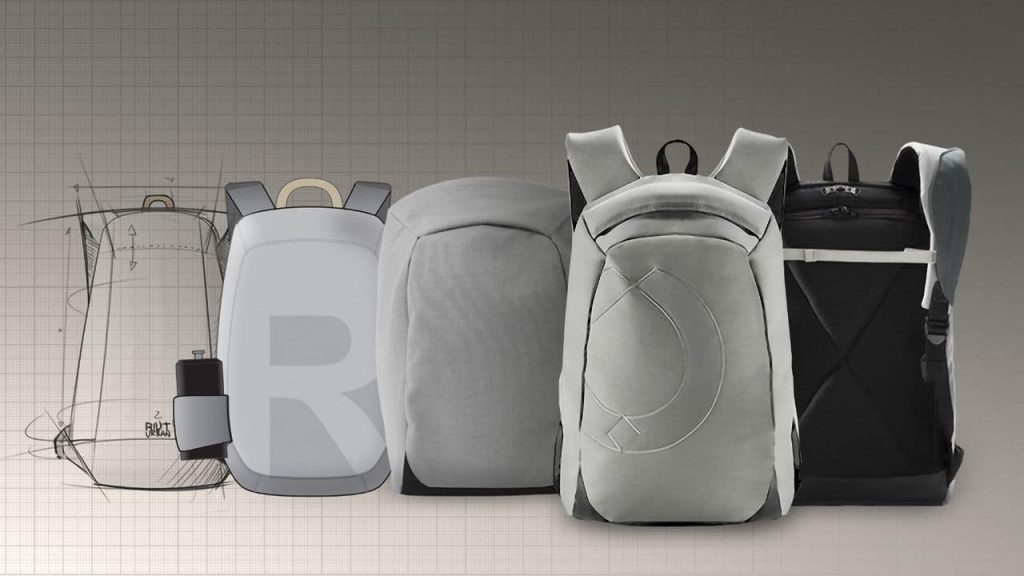
When U.S. Backpack Manufacturing Does Make Sense
Despite the structural challenges, U.S. manufacturing is not dead. It is just specialized. Here are the scenarios where partnering with an American facility is genuinely smart:
Small-Batch or Pilot Runs (50–100 Units) If you are testing a new design, launching a Kickstarter, or producing limited-edition drops, a U.S. shop is ideal. Lower MOQs, faster sampling, and no ocean-freight delays let you validate your product before committing to overseas tooling.
Premium or Tactical Gear ($300+ Retail Price) Military contractors, law-enforcement suppliers, and ultra-premium outdoor brands can absorb higher unit costs because their customers pay for durability, compliance, and provenance. U.S. tactical bag makers often hold MIL-SPEC certifications that overseas factories struggle to match.
Rapid Turnaround or Emergency Orders Need 300 branded backpacks for a conference in two weeks? A domestic shop can cut and sew while your overseas cargo is still on the water. For time-sensitive promotional or event-based products, U.S. production is a logistics solution, not a cost solution.
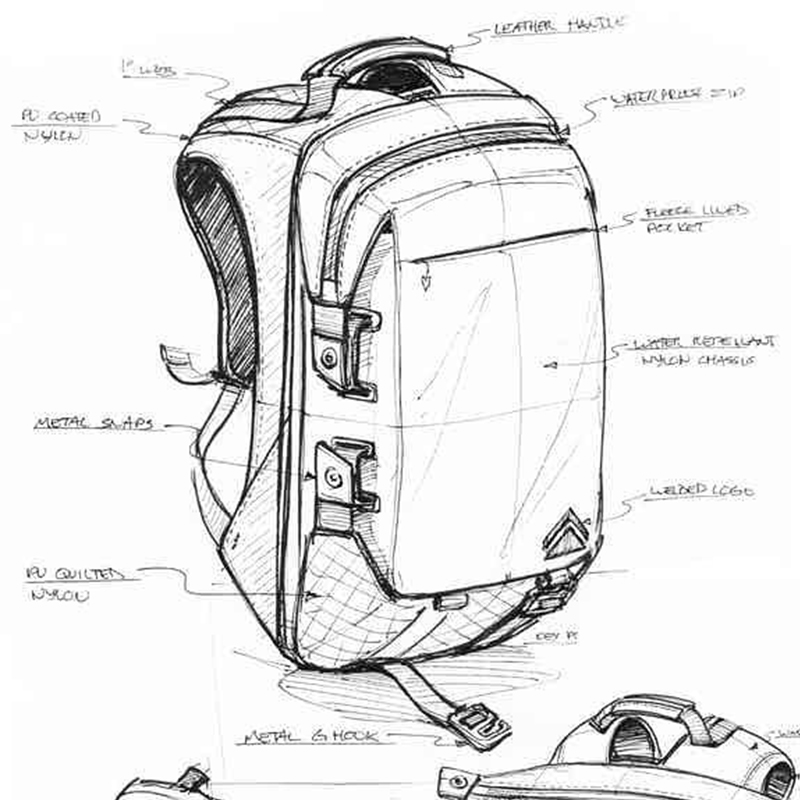
Design, Sampling, and Prototyping Even if your final production moves overseas, having a U.S. pattern maker or sample house refine your design is invaluable. Real-time collaboration, same-time-zone communication, and the ability to visit the workshop in person accelerate development dramatically.
A Realistic Sourcing Strategy: Play to Each Region’s Strength
Smart buyers do not look for a single factory to do everything. They build a hybrid supply chain that leverages U.S. capabilities where they matter and offshore manufacturing where it dominates.
Option A: Design in the USA, Produce Overseas Keep your product development, pattern making, and pre-production sampling in the U.S. Once the design is locked, transfer the tech pack to an experienced OEM/ODM partner in Asia. This gives you speed-to-market, design control, and competitive unit costs. Many successful DTC brands use exactly this model.
Option B: U.S. Pilot, Asian Scale-Up Run your first 200 units domestically to test fit, function, and customer feedback. If the product sells, move bulk production to Vietnam, Cambodia, or China. The U.S. factory becomes your R&D and sample partner; the overseas factory becomes your volume engine.
Option C: “Assembled in USA” with Imported Components Source fabric, hardware, and accessories from Asia, then do final cutting and sewing in the U.S. This qualifies for certain “Made in USA” labeling under FTC guidelines (if the transformation is substantial), but be transparent with customers. The cost will still be high, and the story is more nuanced than purely domestic.
Where to Actually Find U.S. Backpack Partners
If your goal is not mass production but rather the specialized roles described above, here is where to look:
Cut-and-Sew Contractors (Not Mass Manufacturers) Search for “soft goods cut and sew contractor” rather than “backpack factory.” These are small shops that service outdoor brands, medical-device carriers, and tactical gear companies. Platforms like Maker’s Row and ThomasNet list them, but expect to filter through many micro-businesses.
Trade Shows for Niche Producers
- Outdoor Retailer (Salt Lake City): You will find boutique U.S. builders alongside global suppliers.
- Texworld USA: More fabric-focused, but cut-and-sew contractors exhibit here looking for brand clients.
- The Travel Goods Show: Good for meeting U.S.-based promotional bag makers.
Industrial Sewing Hubs California (Los Angeles, San Diego), North Carolina, and pockets of New York still host soft-goods workshops. Search geographically: “cut and sew contractor Los Angeles backpack” or “soft goods manufacturer North Carolina.”
What to Ask During Vetting
- What is your maximum monthly capacity in units?
- Do you source materials domestically, or do we supply them?
- What is your typical MOQ and price per unit for a mid-complexity daypack?
- Can you handle technical features like seam sealing, laser-cut MOLLE, or padded laptop compartments?
- What is your defect rate and rework policy?
If a U.S. shop quotes $45 for a bag you planned to retail at $60, that is not gouging. That is the real cost of domestic labor. Do not negotiate them down to unsustainable margins; instead, decide if your business model supports that price.
The Honest Pivot: When to Look Beyond U.S. Borders
If you have read this far, you probably recognize that the U.S. option is constrained. For buyers who need thousands of units, multiple SKUs, custom materials, or competitive wholesale pricing, the logical next step is Asia.
Countries like China, Vietnam, and Cambodia host mature backpack manufacturing ecosystems with:
- Deep material libraries (nylon, polyester, canvas, recycled fabrics, vegan leather)
- In-house hardware sourcing and custom mold capabilities
- Experienced OEM/ODM teams that handle design, sampling, and bulk production under one roof
- Compliance infrastructure for BSCI, SMETA, GRS, and CPSIA documentation
- Scalable capacity from 5000 to 50,000+ units
The key is finding a partner who understands Western quality standards and communication norms—not just a factory that takes orders.
Final Takeaway
Finding a backpack manufacturer in the USA is possible, but you must redefine what “manufacturer” means in this context. The U.S. excels at design, prototyping, small-batch craftsmanship, and rapid response. It does not excel at mass-market, low-cost, high-volume backpack production—and pretending otherwise sets buyers up for frustration.
Build your supply chain around reality, not romance. Use American partners for what they do best: perfecting your product, validating your market, and handling urgent, low-volume needs. Use global partners for what they do best: scaling your brand with consistent quality at a viable cost.
The most successful bag brands in 2026 will not choose between “Made in USA” and “Made in Asia.” They will build a bridge between both.