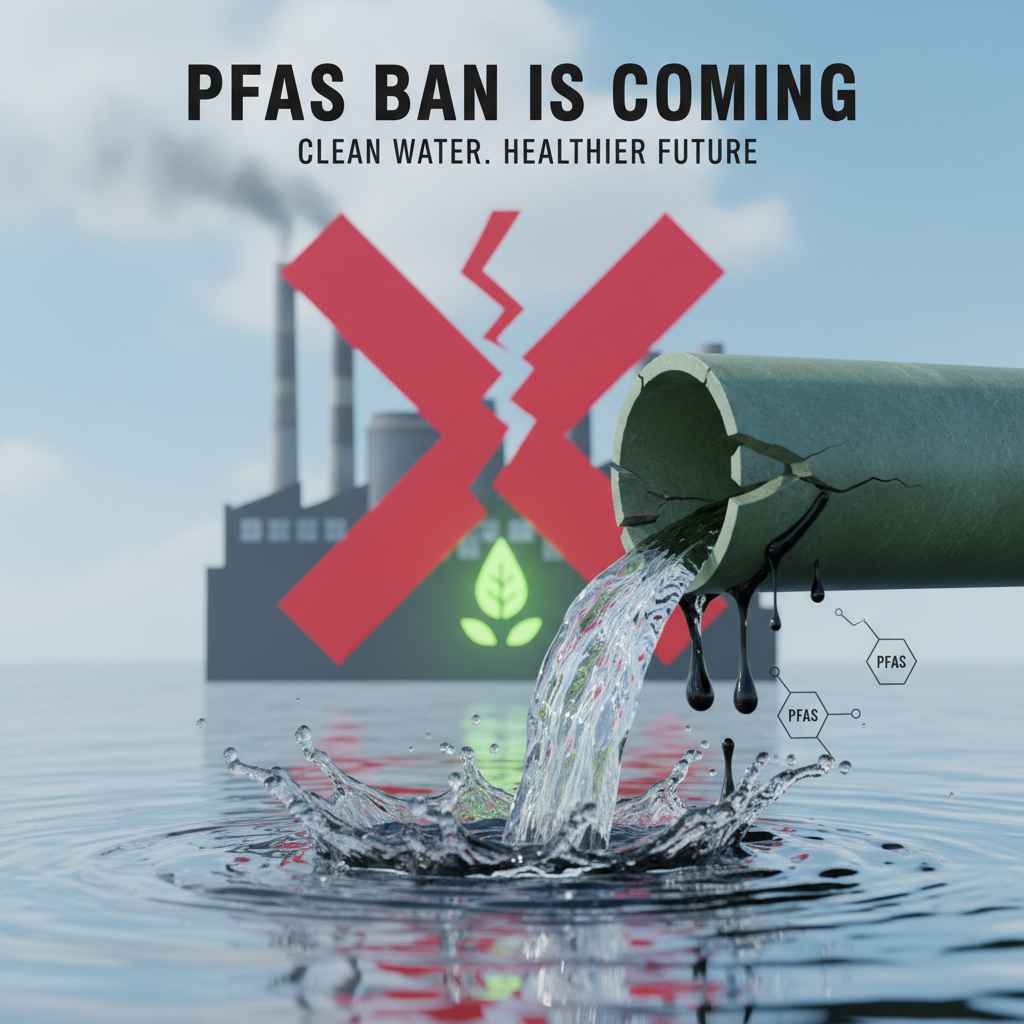
The delay is not a step back. It is a strategic pause — and bag manufacturers need to understand what it really means for their business.
PFAS chemicals are everywhere in the news. Regulators in Europe, the U.S., and Asia are all watching them closely. Some countries are already banning them. Others are moving more slowly. But one thing is clear: the pressure is building fast.
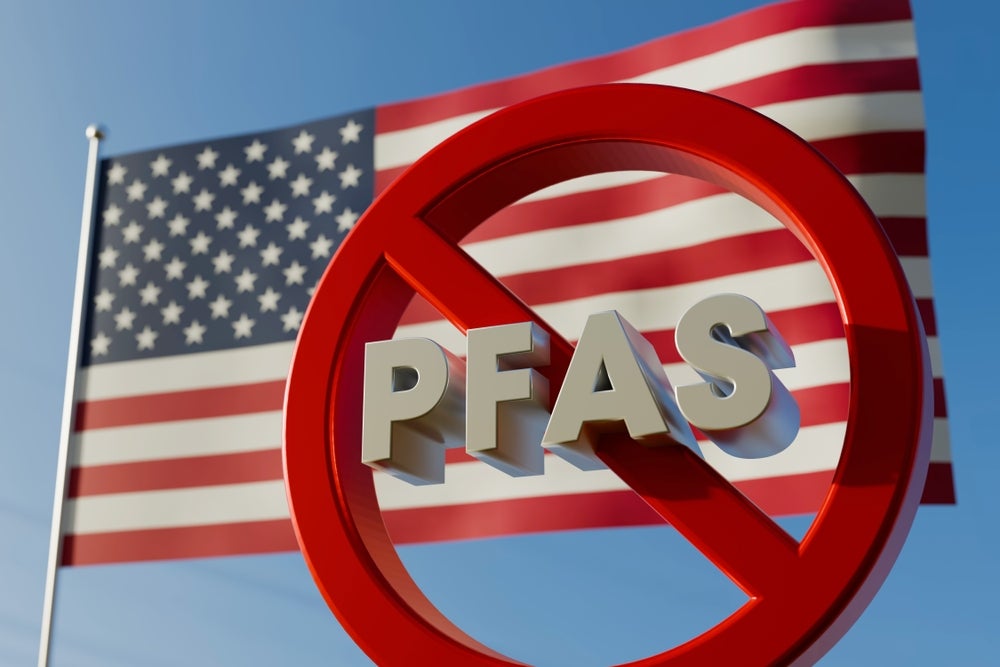
Earlier this year, many people expected the U.S. to take a big step forward on PFAS regulation in 2026. However, a key reporting deadline was pushed back. So what happened? And what does it mean for bag manufacturers and brands?
In this article, we explain exactly what PFAS is, what the U.S. planned to do, why the rule was delayed, and — most importantly — why this delay does not make your supply chain any safer.
What Is PFAS and Why Is It Under Fire?
The basics
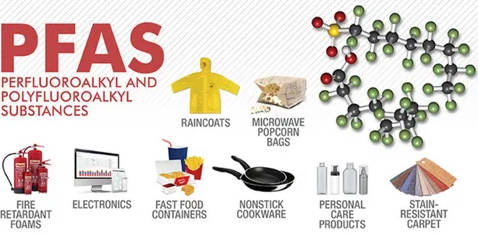
PFAS stands for per- and polyfluoroalkyl substances. These are a group of man-made chemicals. Scientists often call them “forever chemicals” because they do not break down easily in nature or in the human body.
There are thousands of different PFAS compounds. They share one key feature: strong carbon-fluorine bonds. This makes them very resistant to heat, water, and oil. Because of this, manufacturers have used them in many products for decades.
Why regulators are concerned
The problem with PFAS is that they build up over time. They collect in soil, water, and living organisms. Research has linked high PFAS exposure to several health concerns. These include effects on the immune system, thyroid function, and reproductive health. However, the science is still developing in some areas.
Because they persist so long in the environment, many governments feel they need to act now — even before every health question is fully answered.
How PFAS connects to the bag industry
If you make or buy bags, PFAS may already be part of your supply chain. Common applications include:
- Water-resistant coatings on fabric and zippers
- Stain-repellent treatments on outer materials
- Surface finishing on synthetic and leather materials
- Some adhesives and thread coatings used in stitching
In short, if your bags are waterproof or stain-resistant, there is a good chance PFAS is involved somewhere. This is exactly why the regulation matters to your business.
What Was Supposed to Happen in 2026?
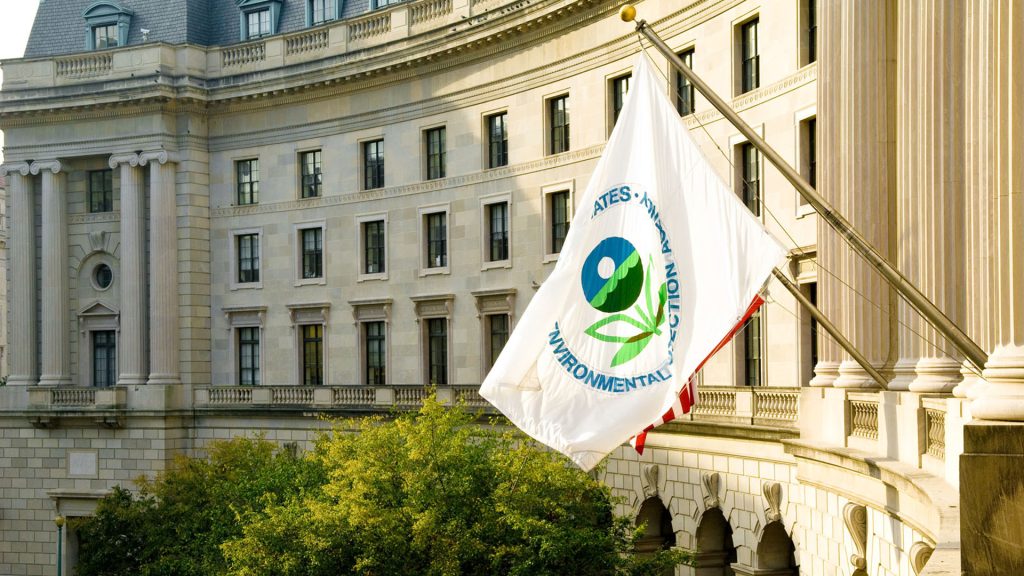
The U.S. Environmental Protection Agency (EPA) has been working on PFAS rules for several years. One major step was a reporting requirement under the Toxic Substances Control Act (TSCA). This rule would require companies to report detailed data about their PFAS use.
Who had to report?
The rule covered a wide range of businesses. It applied to:
- Manufacturers that use PFAS in their production processes
- Importers who bring PFAS-containing products into the U.S.
- Makers of finished goods — including bags and accessories — that contain PFAS
The original plan was to start collecting data from April 2026. This was a significant moment. It would have been the first major step toward full supply chain transparency for PFAS in the U.S.
The 2026 reporting rule was meant to reshape supply chain transparency. Every importer and manufacturer using PFAS would need to document and disclose their usage.
For many bag companies, this would have required a full audit of their materials. Therefore, a lot of brands and suppliers had already started preparing. However, the deadline was pushed back before it could take effect.
Why Did the U.S. Delay the PFAS Rule?
The EPA acknowledged that the reporting system was not ready. The infrastructure to collect, process, and verify large amounts of PFAS data from thousands of companies needed more time. However, that is only part of the story.

Industry feedback played a role
Many businesses told regulators that the rule was too broad and too complex. Small and mid-size manufacturers said they lacked the tools to identify and report PFAS levels in every material they use. In addition, the rule around “articles” — that is, finished goods like bags and shoes — was especially unclear.
As a result, the EPA proposed several changes. These include possible exemptions for products with very low PFAS levels. They also include clarifications on what counts as a reportable “article.”
The logic behind the delay
It is important to understand what this delay really means. Regulators are not abandoning the PFAS agenda. They are refining how they enforce it.
Regulators are not weakening the rule — they are making it workable. The goal is still the same: full transparency and eventual phase-out.
So while the timeline has shifted, the direction has not. Every delay is followed by a stricter version of the same rule. History shows us this pattern with many environmental regulations.
What does this mean for manufacturers?
Here is the part many people get wrong: a regulatory delay does not mean you have more time to relax. In fact, the opposite is true. The market is moving faster than the regulation.
Brands are already acting
Large outdoor and lifestyle brands have been phasing out PFAS for years. Many have set 2025 or 2026 targets. They are not waiting for the government. Instead, they are responding to their own customers — who care more and more about chemical safety.
As a result, these brands are actively reviewing their supplier lists. They are asking factories hard questions about materials and coatings. Suppliers who cannot answer those questions risk losing contracts.
Retailers are setting their own rules
Many major retailers — especially in Europe and North America — already have their own PFAS restrictions. These rules are stricter than government regulations in many cases. So even if U.S. law is delayed, your retail customers may already expect PFAS-free products.
In other words, the regulatory delay does not protect you from market pressure. Noncompliant suppliers will be replaced. PFAS-free is quickly becoming the default expectation — not a premium feature.
The brands that hesitate now will find themselves chasing compliance while others are winning contracts.
What Bag Manufacturers Should Do Now
The good news is that there are clear steps you can take. Acting now puts you ahead of the curve. Here is a practical guide for manufacturers and suppliers in the bag industry.
Action Plan for Manufacturers

Audit your materials
Review every fabric, coating, zipper, and lining in your current product range. Ask your material suppliers directly: does this contain PFAS? Which processes involve fluorochemicals? You cannot act on what you do not know.
Shift to PFAS-free alternatives
Many good alternatives exist today. Water-based PU coatings offer strong water resistance without fluorochemicals. Bio-based materials and recycled fabrics can also meet performance standards. We have already made this transition in our own production — and quality has not suffered.
Build your compliance documentation
Brands and retailers will ask for proof. Prepare your material test reports, chemical declarations, and supplier certificates. A clear paper trail builds trust and shortens the approval process when new clients evaluate your factory.
Talk to your clients early
Do not wait for clients to ask about PFAS. Reach out first. Tell them what steps you have taken. Show them your testing results. Proactive communication signals that you are a serious, long-term partner — not a reactive one.
Early adopters will win long-term contracts. Brands want stable, trustworthy partners for the years ahead. The supplier who is already compliant will always win over the one who is still catching up.
The Future of PFAS Regulation
Even if the U.S. is moving slowly, other major markets are not. The European Union’s REACH regulation already restricts many PFAS compounds. In 2023, five European countries proposed a universal PFAS restriction that could cover nearly all applications — including textiles and bags. That proposal is still moving through review, but the direction is clear.
The global trend
Here is what the global picture looks like right now:
- The EU is moving aggressively, with broad restrictions already in place or proposed
- The U.S. is moving more slowly, but the TSCA rule will eventually take full effect
- Major export markets — including the UK, Canada, and Australia — are all tightening their rules
- Global brands are ahead of regulators, setting their own timelines and supplier standards
For bag manufacturers that export globally, PFAS compliance is not optional. It is a business requirement. Therefore, the question is not whether to act — but how fast.
A full PFAS phase-out is not a question of if, but when. Every season that passes, the window for easy transition gets smaller.
Conclusion: The Delay Is Your Window of Opportunity
The 2026 PFAS reporting delay gives manufacturers a short breathing space. But it is not a safety net. It is a buffer — and a shrinking one.
Use this time well. Audit your supply chain. Make the switch to safer materials. Build the documentation your clients will need. Then go tell them about it.
The brands that act now will define the next generation of compliant supply chains. They will be the preferred partners when stricter rules arrive — because they will already be ready.
If you want to learn more about how we handle PFAS-free production, or if you want to start a conversation about transitioning your bag line to safer materials, reach out to our team. We are ready to help.