- I. Evaluate the Production Line: What Does the Factory Really Specialize In?
- II. Sampling Capability: Can the Factory Turn Your Ideas into a Real Product?
- III. Quality Control System: Will the Bulk Order Match the Approved Sample?
- IV. Material Sourcing & Compliance: Can Your Brand Sell with Confidence?
- V. Communication Efficiency: Beyond Time Zones and Language, Effective Communication Is What Really Matters
- VI. Pricing & MOQ: Transparency Matters More Than the Lowest Quote
- VII. Lead Time & Production Capacity: Can the Factory Deliver During Peak Season?
- Summary: A Quick Scoring Sheet
Most brand owners have been through this scenario: you collect contact information from a dozen factories at trade shows, exchange samples back and forth, only to end up with delayed production schedules—or worse, bulk orders that don’t match the approved samples.
Soft bags are particularly challenging in this regard. Unlike hard-shell luggage, which relies on fixed molds, soft bags involve flexible fabrics, handcrafted stitching, and hardware tolerances. Every stage of the manufacturing process can affect the final product, making consistency much harder to achieve.
In this article, we’ll approach manufacturer selection from the perspective of a B2B buyer and break the process down into a practical, actionable checklist. Whether you’re sourcing an OEM manufacturer for the first time or looking to replace your current supplier, you’ll find valuable insights to help you make a more informed decision.
Catalogue
- Production Capabilities: What is the manufacturer really good at?
- Sampling Capabilities: Can they turn your ideas into physical products?
- Quality Control System: Are mass-produced products consistent with the samples?
- Material Sourcing & Compliance: Can your brand sell with confidence?
- Communication Efficiency: Beyond time zones and language, effective communication matters most.
- Pricing & Minimum Order Quantity (MOQ): Transparency is more important than low prices.
- Lead Time & Production Capacity: Can they ensure reliable supply during peak seasons?
I. Evaluate the Production Line: What Does the Factory Really Specialize In?
“Soft bags” is a broad category that covers many different product types. Cosmetic bags, tote bags, backpacks, and clutches may all fall under the umbrella of soft bags, but each requires different manufacturing expertise.
- Cosmetic bags & organizers: Focus on lining construction, zipper quality, compartment design, and precision stitching.
- Canvas tote bags: Pay attention to fabric weight, structural rigidity, and handle load-bearing strength.
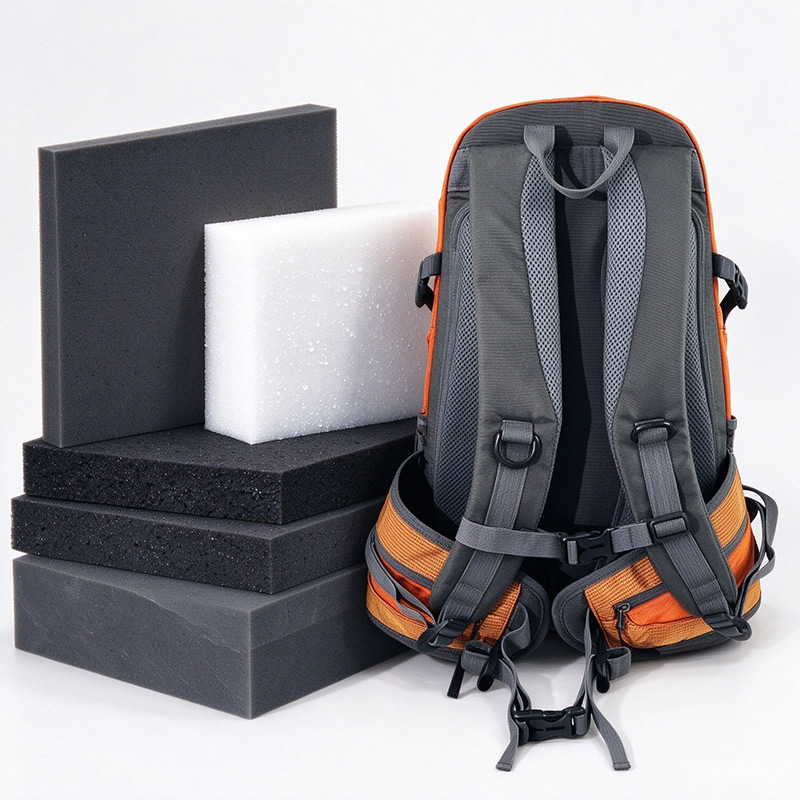
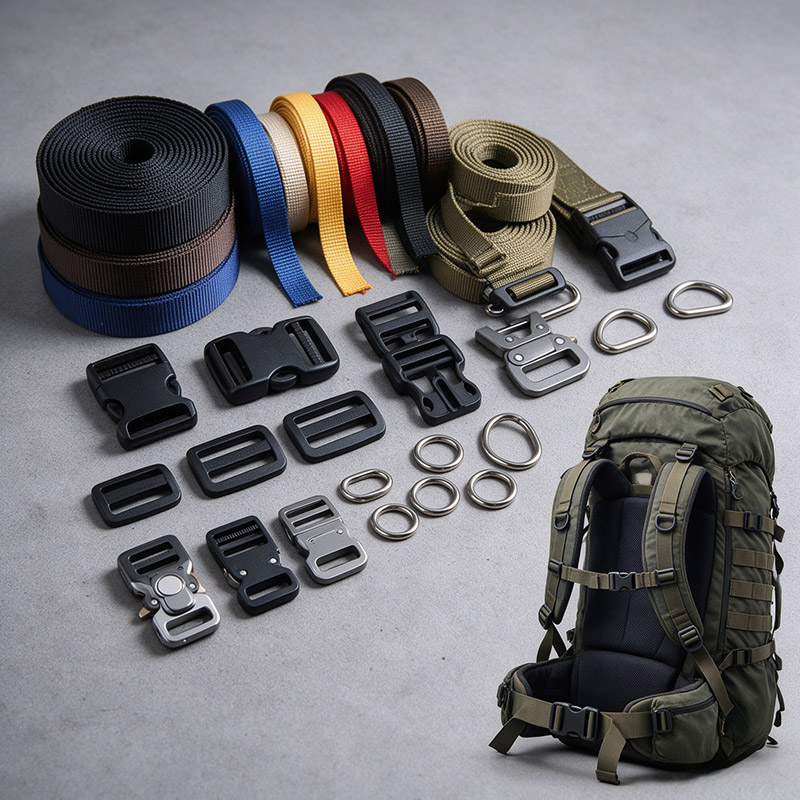
- Soft backpacks: Evaluate the carrying system, storage functionality, and the durability of hardware stress points.
Verification Tip: Don’t just browse the factory’s showroom samples. Instead, ask a straightforward question:
“What are the top three types of bags you’ve shipped the most over the past three months?”
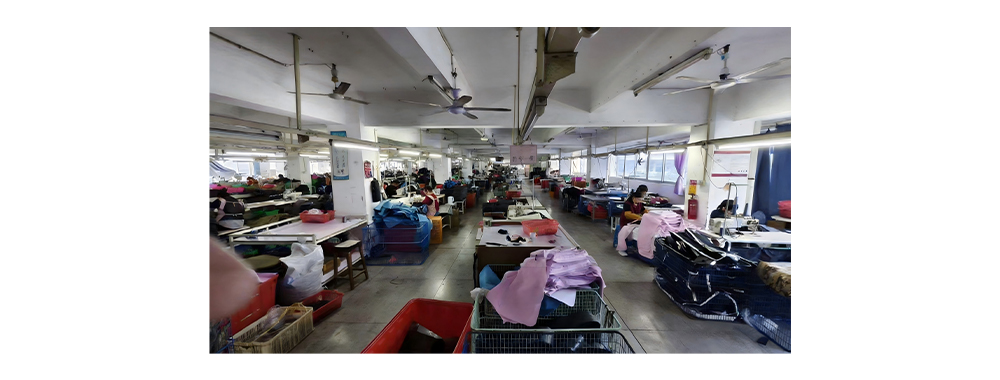
If a factory primarily manufactures hard-shell luggage but claims they can also produce soft bags, proceed with caution. Specialized production equipment and skilled sewing operators develop their expertise through years of hands-on experience. Only manufacturers with substantial experience producing similar products can consistently deliver stable quality and reliable craftsmanship.
II. Sampling Capability: Can the Factory Turn Your Ideas into a Real Product?
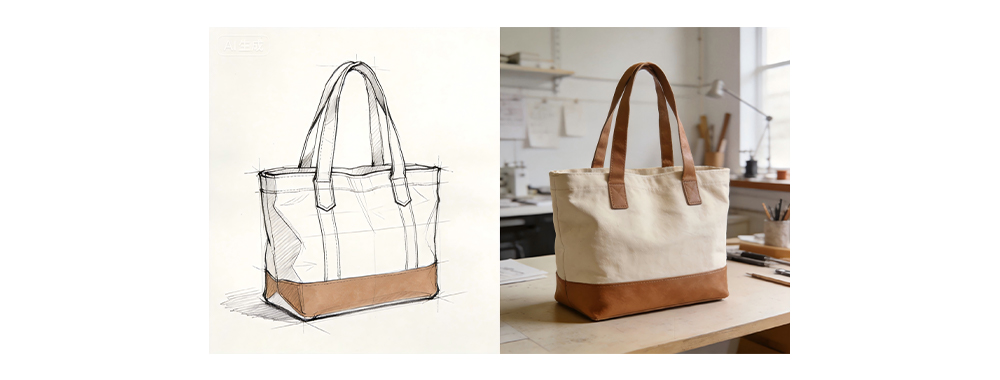
This is one of the most overlooked aspects of supplier selection. Many buyers approach manufacturers with design renderings or reference samples, only to receive a first prototype that looks nothing like what they envisioned.
A reliable soft bag manufacturer should do more than simply replicate your design—they should help refine it during the sampling process by:
- Optimizing dimensions based on your design concept, such as determining whether the handle length is comfortable for shoulder carry or whether the base width provides sufficient storage capacity.
- Providing fabric swatches for you to evaluate material weight, texture, and color, rather than making material selections on your behalf.
- Producing a structural prototype first to validate the bag’s shape and construction before moving on to a complete pre-production (PP) sample. This helps identify proportion or structural issues early, avoiding costly revisions later.
Verification Tip: When you send an inquiry with a design rendering, pay attention to the manufacturer’s response. Do they proactively ask about your preferred materials, intended use, target market, or brand positioning? Or do they immediately quote a sampling fee and lead time without asking any follow-up questions?
If it’s the latter, it often indicates that the factory has limited product development capabilities and lacks the experience needed to support custom product design effectively.
III. Quality Control System: Will the Bulk Order Match the Approved Sample?
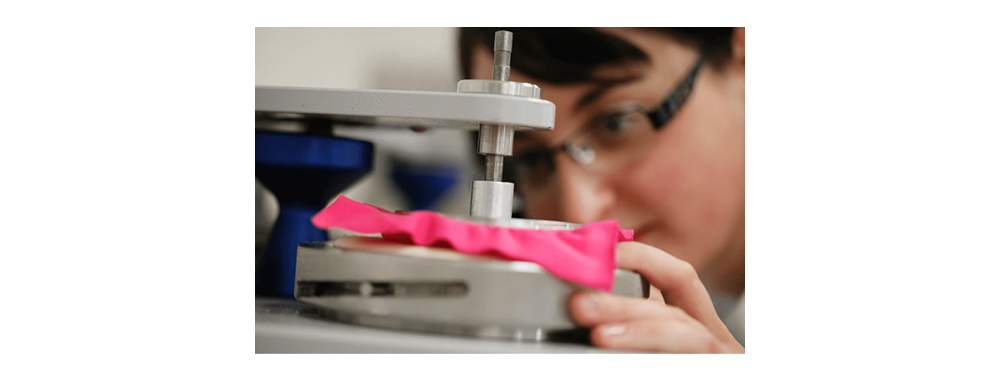
It’s common to see beautifully made samples followed by disappointing mass production. For soft bags, a reliable quality control (QC) system should focus on three critical stages:
1. Incoming Quality Control (IQC)
Issues such as fabric color variation, oxidized hardware, or faulty zippers should be identified before production begins. Once these materials are cut and assembled, most defects cannot be corrected without remanufacturing the product.
Ask the factory whether they have a formal Incoming Quality Control (IQC) process in place and what inspection standards they follow for raw materials.
2. In-Process Quality Inspection
During production, the factory should conduct regular inspections to ensure:
- Consistent stitch density and sewing quality
- Clean thread trimming and finishing
- Accurate print or pattern alignment
Responsible manufacturers perform routine inspections throughout the production line instead of waiting until all products are completed before checking for defects.
3. Finished Product Inspection Standards
Ask the manufacturer which inspection standard they use for final quality control.
For example, AQL 1.5/4.0 is one of the most widely adopted sampling standards in the industry. Under this standard, AQL 1.5 applies to critical and major defects, while AQL 4.0 applies to minor defects.
If the factory is unfamiliar with AQL terminology—or simply responds with, “We inspect every product”—it’s worth asking for more details about their actual inspection procedures. Full inspection alone does not necessarily indicate a systematic or standardized QC process.
Verification Tip: Request a copy of a previous inspection report. A professional report should clearly document defect classifications, sample sizes, inspection results, and pass/fail criteria. This provides valuable insight into how the factory manages quality beyond verbal assurances.

IV. Material Sourcing & Compliance: Can Your Brand Sell with Confidence?
Because soft bags are designed to be carried close to the body or used to store personal belongings, material compliance is not a value-added feature—it’s a fundamental requirement.
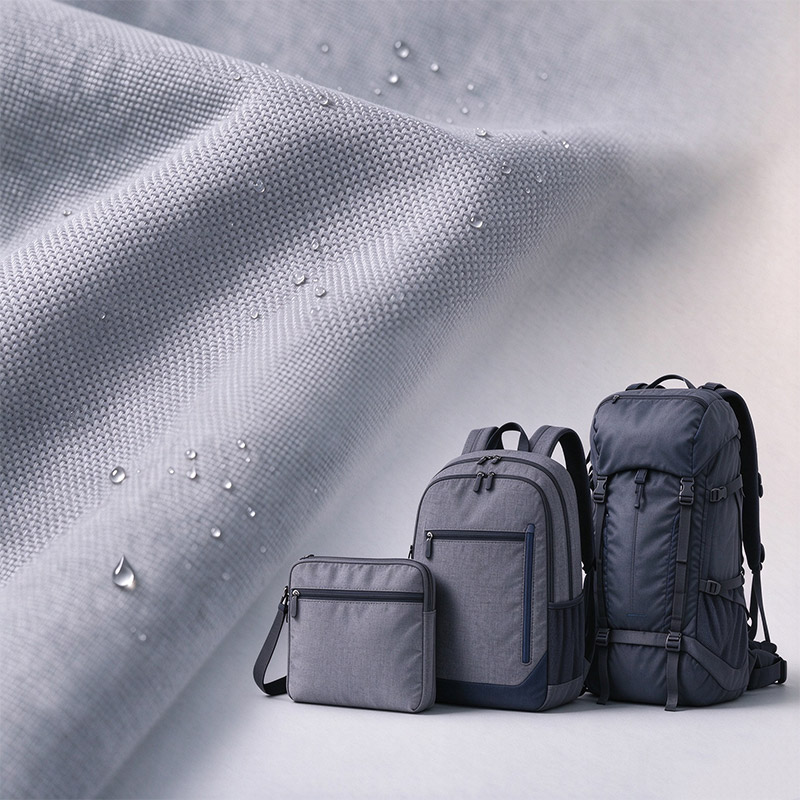
- Fabric: Can the manufacturer provide fiber composition reports? What is the fabric weight (in ounces or GSM) for canvas materials? What level of color fastness does the fabric achieve?
- Sustainability Certifications: If your brand emphasizes sustainability, can the factory source organic cotton, bio-based synthetic materials, or recycled rPET fabrics? Are the fabric supplier’s GRS (Global Recycled Standard) certificate and Transaction Certificate (TC) available and up to date?
- Chemical Compliance: Products exported to the European Union must comply with REACH regulations, while products sold in the U.S. market should meet California Proposition 65 (CA Prop 65) requirements regarding heavy metals and phthalates. Ask whether the factory is familiar with these regulations and can provide third-party laboratory test reports upon request.
Verification Tip: Instead of asking a general question like, “Can you make eco-friendly bags?”, ask something more specific, such as:
“When was the last time you assisted a customer with REACH testing, and which substances were included in the test?”
Specific questions are far more effective at revealing a manufacturer’s real experience and compliance capabilities than broad yes-or-no inquiries.
V. Communication Efficiency: Beyond Time Zones and Language, Effective Communication Is What Really Matters
In cross-border B2B partnerships, the biggest cost is often not shipping—it’s miscommunication.
A reliable manufacturer should demonstrate strong communication capabilities by offering:
- A bilingual sales team that can accurately understand subjective product requirements such as a structured shape, matte finish, or vintage look, rather than relying on literal translations.
- A visual confirmation process for key details—including fabrics, colors, hardware, and logo placement—using physical swatches or high-resolution comparison photos instead of asking buyers to simply “imagine” the final result.
- Proactive project updates that keep you informed about sampling progress, production schedules, and key milestones without requiring you to constantly follow up.
Verification Tip: During the inquiry stage, pay attention to how the manufacturer communicates. Evaluate not only how quickly they respond, but also the quality of their replies. Do they ask thoughtful follow-up questions and offer alternative solutions when appropriate, or do they simply answer with a basic “yes” or “no”? The depth and initiative shown during early communication often reflect how the factory will manage your project throughout production.

VI. Pricing & MOQ: Transparency Matters More Than the Lowest Quote
The cost of manufacturing soft bags can vary significantly depending on factors such as materials, construction, hardware, and order volume. When evaluating quotations, be cautious of two common red flags:
- Prices that seem unusually low: These may indicate that essential production processes have been omitted, such as fabric pre-shrinking, edge binding on the lining, or other quality-related steps that are not immediately visible.
- Vague or overly simplified quotations: For complex products such as backpacks with multiple construction details, it is perfectly normal for a manufacturer to provide an accurate quote only after confirming specifications—or even after completing a sample. However, if a factory offers a firm price before discussing the details, there’s a good chance additional charges will appear later during production. These may include fees for changing hardware, upgrading fabrics, custom logo tooling, or even so-called “material waste charges,” leaving brands with little choice but to absorb the extra costs.
Verification Checklist:
Before placing an order, make sure you clarify the following with the manufacturer:
- Are all potential production-related costs already included in the quotation? Confirm whether charges such as fabric dyeing, custom hardware tooling, logo mold/setup fees, and bulk shipping costs are included or billed separately.
- Can the sampling fee be credited toward the bulk order?
- What is the minimum order quantity (MOQ)? Does the factory allow mixed colors or multiple styles within a single order?
- What are the payment terms? Confirm the deposit percentage, the balance payment schedule, and the payment milestones before production begins.

VII. Lead Time & Production Capacity: Can the Factory Deliver During Peak Season?
Soft bag manufacturing is highly seasonal, with production schedules becoming significantly tighter during peak periods. If your brand has fixed launch windows—such as the holiday season or back-to-school campaigns—the factory’s production capacity can directly determine whether your products ship on time.
Verification Checklist:
- Confirm both the sampling timeline and mass production lead time. As a general guideline, a structural prototype typically takes 5–7 working days, a pre-production (PP) sample usually requires 10–14 working days, while bulk production lead times vary depending on order quantity, product complexity, and factory workload.
- Ask about the factory’s production schedule during peak seasons (typically August through October). A trustworthy manufacturer will openly discuss current capacity, potential bottlenecks, and possible delays instead of making unrealistic delivery promises simply to secure the order.

Summary: A Quick Scoring Sheet
If you are evaluating multiple factories at the same time, you can use the following scorecard for a quick comparison:
| Evaluation Dimension | Weight | Factory A | Factory B | Factory C |
| Production Line Fit | ★★★★★ | |||
| Sampling & Development Capability | ★★★★★ | |||
| Quality Control System (AQL/Inspection) | ★★★★☆ | |||
| Material Compliance Experience | ★★★★☆ | |||
| Communication Efficiency | ★★★☆☆ | |||
| Pricing Transparency | ★★★☆☆ | |||
| Lead Time Reliability | ★★★★☆ |
Choosing a manufacturer is not about selecting the lowest price—it’s about selecting the lowest risk and the most predictable execution.
Spending an extra two days on supplier evaluation can save months of rework and customer complaints later.
If you are currently looking for an OEM partner for soft bags, feel free to contact us to request a detailed capability overview and sample references. From sampling to bulk production, we make it a point to clarify every step in advance—because only when brands feel confident can long-term cooperation truly work.