When you commission a custom bag—whether it’s a sleek fashion tote, a rugged outdoor backpack, or a promotional drawstring pouch—one of the first questions you’ll face is: Which fabric should I choose?
For most bag projects, the debate comes down to two synthetic powerhouses: nylon and polyester. Both are durable, versatile, and widely used across the industry. But they are not interchangeable.
Over the past 20 years, we’ve guided countless brands through this exact decision. Here’s what you need to know to choose the right fabric for your next collection.
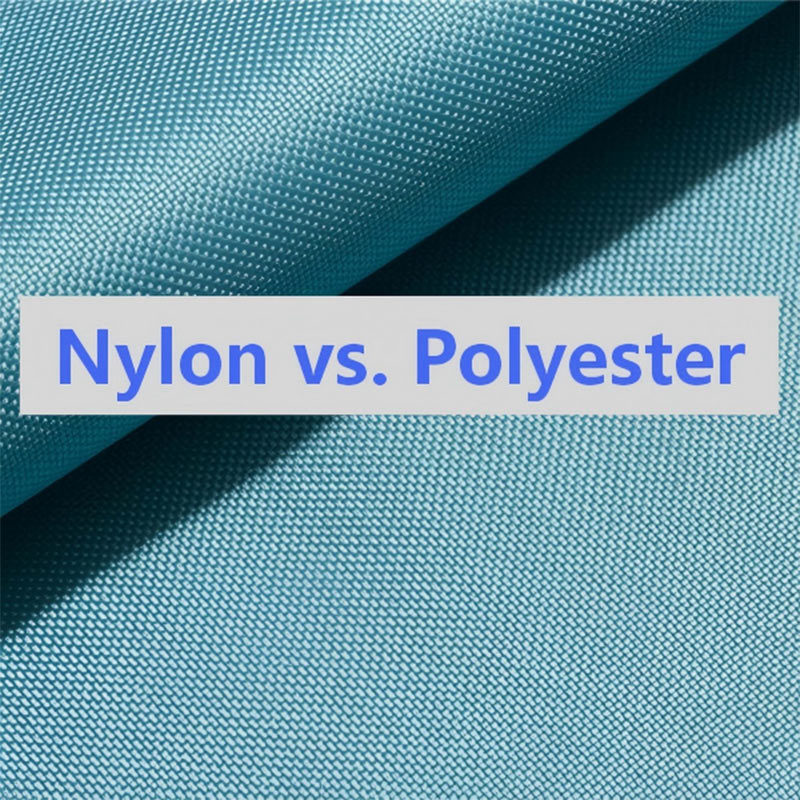
1. At a Glance: Nylon vs. Polyester
| Feature | Nylon | Polyester |
| Strength & Durability | Excellent—higher tensile strength, superior abrasion resistance | Very good—durable but slightly less abrasion-resistant |
| Water Resistance | Good; can absorb small amounts of water unless coated | Excellent—naturally water-repellent, dries faster |
| Weight | Lighter and softer | Slightly heavier and stiffer |
| UV Resistance | Weaker; may fade with prolonged sun exposure | Superior; holds color well outdoors |
| Texture & Feel | Smooth, silky, flexible | Matte, slightly coarser, holds shape |
| Cost | Higher | More budget-friendly |
| Best For | High-stress gear, travel bags, outdoor equipment | Promotional bags, fashion totes, everyday backpacks |
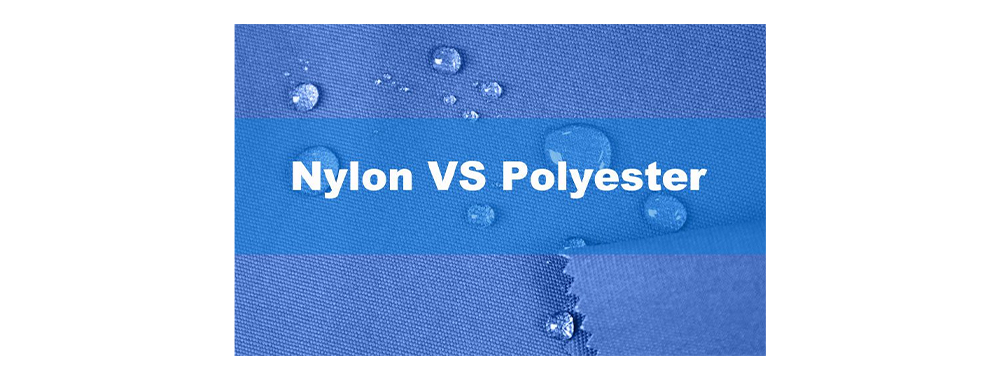
2. Understanding Nylon: The Performance Champion
Nylon (polyamide) was the world’s first commercially successful synthetic fiber, developed in the 1930s. It remains the gold standard for applications where strength, flexibility, and lightweight performance matter most.
Key Strengths of Nylon:
- Superior Abrasion Resistance: Nylon outperforms polyester in high-friction environments—think backpack straps, luggage handles, and tactical gear that must endure daily wear and tear.
- Lightweight & Flexible: Ideal for travel and outdoor bags where every gram counts. Nylon drapes softly and feels premium to the touch.
- High Tensile Strength: Nylon can stretch under load without breaking, making it perfect for gear that needs to flex—like drawstring bags and expandable compartments.
- Mildew & Fungi Resistant: Performs well in humid or wet climates.
Where Nylon Shines:
- Travel backpacks & duffle bags
- Outdoor & tactical gear
- High-end fashion bags (hello, Prada nylon revival)
- Luggage, climbing gear, and industrial straps
Considerations:
- Cost: Nylon is generally 20–50% more expensive than polyester due to a more complex production process.
- UV Sensitivity: Without proper finishing or coating, nylon can degrade and fade under prolonged sunlight.
- Water Absorption: Nylon absorbs slightly more moisture than polyester, which can add weight when wet and extend drying time.
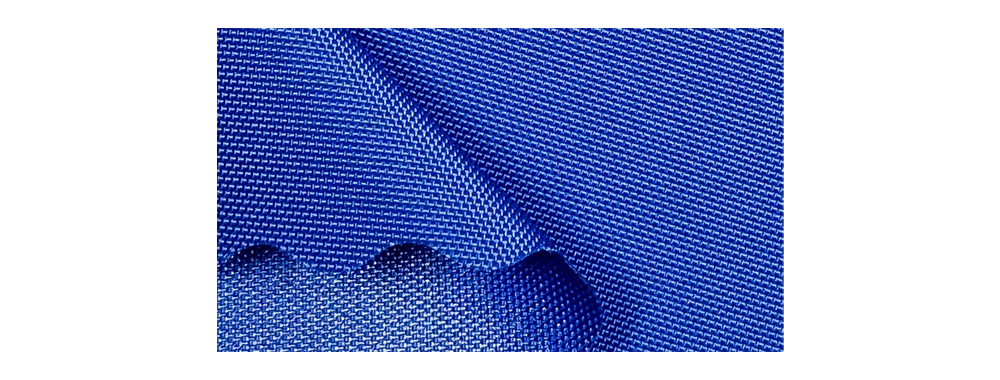
3. Understanding Polyester: The Versatile Workhorse
Polyester (PET) dominates the synthetic fiber market, accounting for roughly 58% of global production.
It’s the go-to choice when cost-efficiency, color stability, and ease of production are top priorities.
Key Strengths of Polyester:
- Excellent UV & Color Retention: Polyester holds dye exceptionally well and resists fading under sunlight—critical for branded promotional bags and retail products displayed outdoors.
- Naturally Water-Repellent: Its hydrophobic nature means it repels moisture and dries quickly—ideal for activewear and everyday bags in unpredictable weather.
- Cost-Effective: Lower raw material and production costs make polyester the practical choice for large-volume orders and budget-conscious lines.
- Easy to Print & Customize: Polyester’s stable surface takes screen printing, heat transfer, and embroidery beautifully—perfect for logo-heavy promotional merchandise.
Where Polyester Excels:
- Promotional tote bags & event giveaways
- Casual backpacks & school bags
- Fast-consuming handbags with bold prints or vibrant colors
- Uniform bags and corporate gifting
Considerations:
- Stiffer Handfeel: Polyester can feel less luxurious than nylon unless treated with softening finishes.
- Lower Abrasion Resistance: While still durable, it doesn’t match nylon’s toughness under extreme friction.
- Odor Retention: Polyester fibers can trap bacteria more easily than nylon, so odor-control finishing may be needed for sportswear applications.
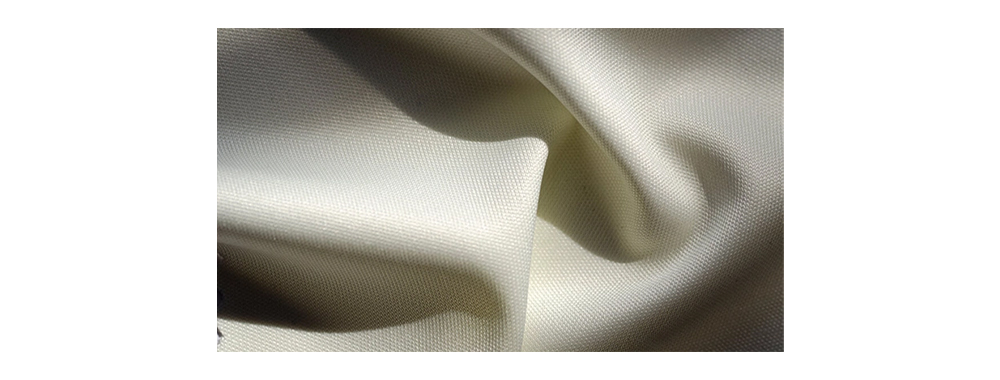
4. The Sustainability Angle: Recycled Options
Both nylon and polyester can be recycled, and demand for eco-friendly materials is only growing.
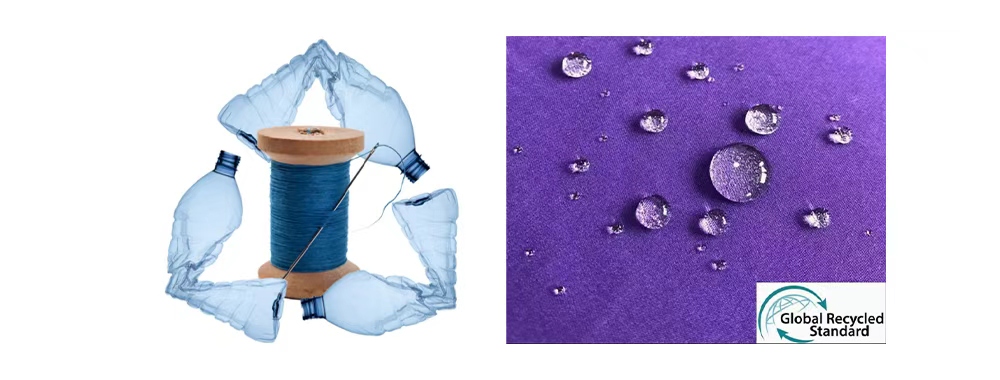
- Recycled Polyester (rPET): Made from post-consumer plastic bottles, rPET is already mainstream in sustainable bag manufacturing. Its recycling infrastructure is mature and widely available.
- Recycled Nylon (e.g., ECONYL®): Typically sourced from discarded fishing nets, carpets, and industrial waste. The process is more energy-intensive, but the resulting material delivers the same premium performance as virgin nylon.
At DH Bag, we can source both rPET and recycled nylon with GRS (Global Recycled Standard) or OEKO-TEX certifications upon request—helping your brand meet ESG goals without compromising quality.
5. How to Decide: A Brand Buyer’s Checklist
Ask yourself these questions before finalizing your material choice:
| Question | If Yes → | If No → |
| Is this bag for heavy-duty or outdoor use? | Nylon | Consider Polyester |
| Is cost the primary driver? | Polyester | Consider Nylon |
| Will the bag be exposed to strong sunlight regularly? | Polyester | Nylon may need UV coating |
| Does the bag need to feel premium and lightweight? | Nylon | Polyester works fine |
| Is this a promotional/printed bag with bold branding? | Polyester | Nylon may need special inks |
| Do you need recycled/sustainable material? | Both available | Specify GRS-certified rPET or ECONYL® |
The Bottom Line
There is no universal “winner” between nylon and polyester. The right fabric depends entirely on your product’s purpose, target market, and budget.
- Choose Nylon when performance, durability, and a premium feel are non-negotiable.
- Choose Polyester when you need cost-efficiency, vibrant customization, and reliable everyday performance.
At DH Bags, we don’t just supply bags—we help you engineer the right product for your brand. Whether you need a 500-piece MOQ fashion handbag in soft-touch nylon or a 10,000-unit promotional run in vibrant rPET polyester, our team can guide you from material selection through prototype to bulk delivery.