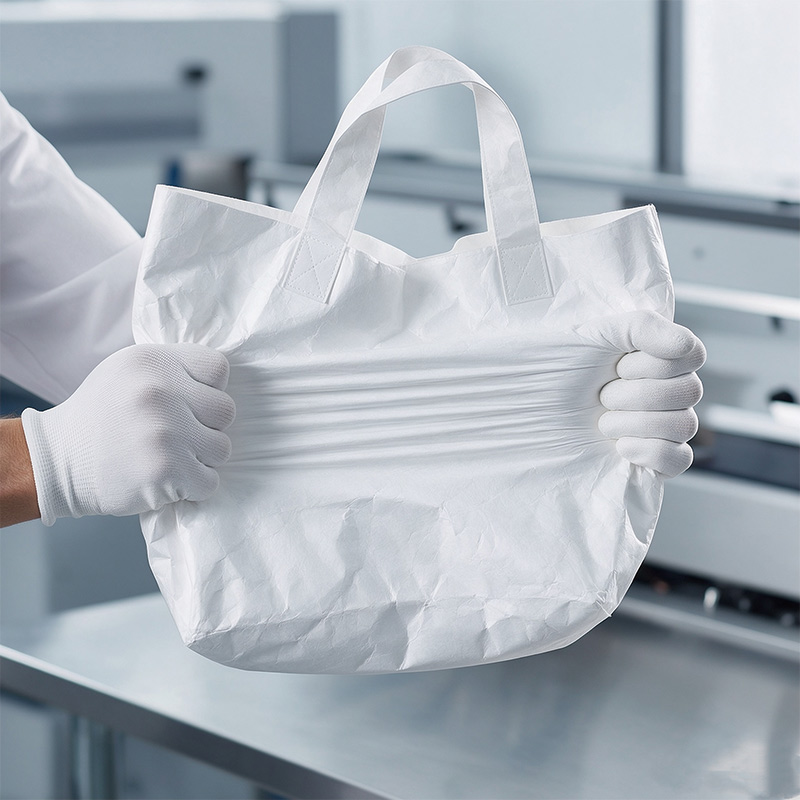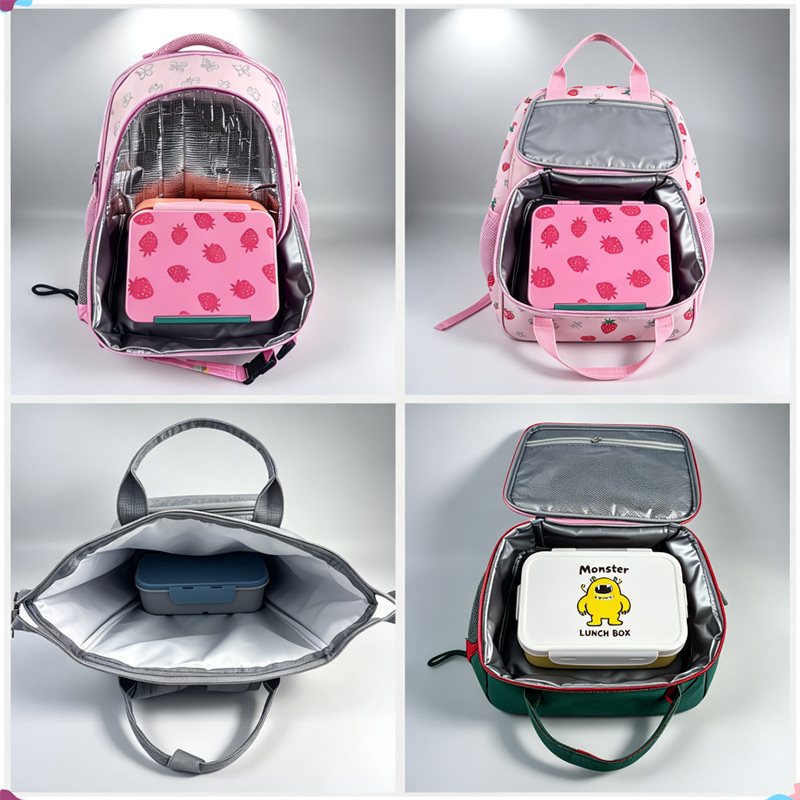
The lining of a lunch bag is rarely made from a single material. It is usually a composite structure consisting of a reflective layer + an insulating cushioning layer. Among these, the reflective layer is responsible for reflecting heat radiation back, while the thickness and density of the cushioning layer are what truly determine how long the bag can retain heat. Common lunch bag lining combinations include the following:
1. Aluminum Foil + EPE (Expanded Polyethylene)
This is the most common combination on the market and offers the highest cost-performance ratio. The aluminum foil reflects heat, while the EPE provides insulation and cushioning.
- Advantages: Relatively reliable insulation performance. A high-quality version (such as 5 mm-thick EPE), when used together with an ice pack, can keep food cool for 4–6 hours; EPE is soft and elastic, resistant to bending and not easily broken, and can also provide a certain degree of shock protection.
- Disadvantages: Vulnerable to sharp objects. The aluminum foil layer is easily scratched or punctured, and once damaged, it will form a “thermal bridge,” significantly reducing the insulation performance. When cleaning, a hard brush cannot be used; it can only be gently wiped.
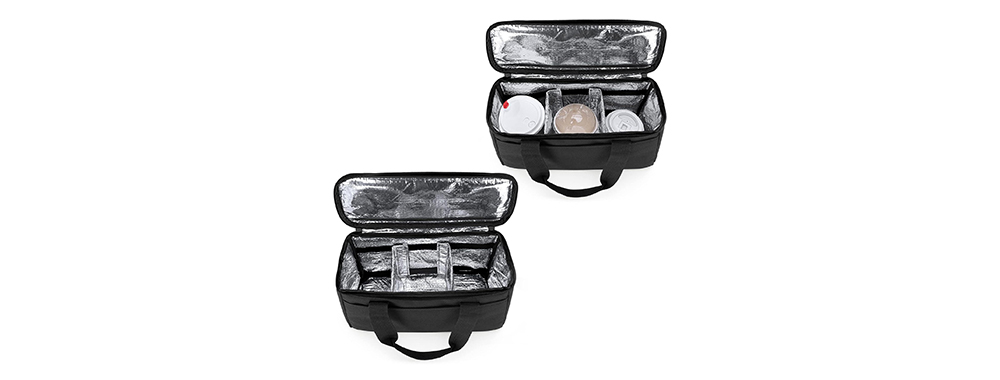
2. PEVA + EPE (Expanded Polyethylene)
This is currently a more popular upgraded solution in the mid-to-high-end market. Using food-grade PEVA film instead of aluminum foil as the reflective layer not only retains good heat-reflective performance, but also completely solves the problems of aluminum foil being prone to oxidation and damage.
- Advantages: Durable and easy to clean. The surface of PEVA is smooth and dense, waterproof and oil-resistant, and stains can be wiped clean immediately. It is also resistant to bending and tearing, and is not prone to delamination or cracking with long-term use; the material itself is non-toxic and odorless, and complies with stricter food-contact safety standards.
- Disadvantages: Slightly higher cost. Compared with the aluminum foil lamination process, PEVA has slightly higher processing difficulty and material costs. In addition, if the density of the EPE cushioning layer is insufficient, relying on PEVA alone cannot significantly increase the upper limit of insulation performance; sufficient thickness is still required to provide support.

3. TPU + EPE
This is a professional-grade lunch bag box designed for high-frequency use and those seeking extreme durability. It currently has a relatively low adoption rate and is typically used for high-end customized products. TPU (Thermoplastic Polyurethane Elastomer), as a high-performance environmentally friendly material, combines the elasticity of rubber with the strength of plastic. High-end brands sometimes use it as an upgraded replacement for PEVA or aluminum foil as the outer reflective/protective film.
- Advantages: Extremely strong wear resistance and tear resistance. TPU’s physical properties are far superior to those of PEVA and aluminum foil, with excellent low-temperature resistance, making it less likely to become hard and brittle in cold environments; its surface has a delicate feel, excellent stain resistance and ease of cleaning, and it is fully recyclable, meeting the sustainability requirements of high-end brands.
- Disadvantages: Expensive and low supply chain inventory, usually requiring customization. TPU raw material costs and the requirements for the lamination process are relatively high, resulting in finished product prices significantly higher than the previous options. It is typically only seen in professional outdoor brands or high-end customized lunch bags. In addition, TPU is relatively heavy, so if portability is an extreme requirement, the impact of the increased weight needs to be taken into consideration.

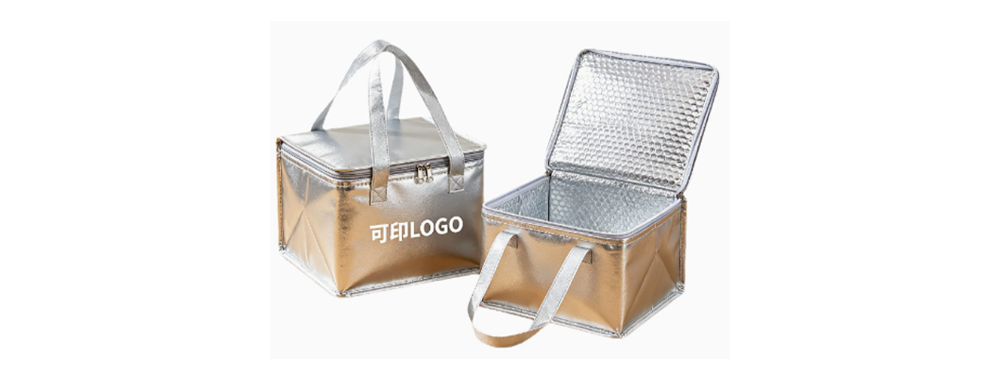
4. Aluminum Foil + Bubble Film
Commonly found in some lightweight, low-cost insulated bags.
- Advantages: Very lightweight and relatively low cost.
- Disadvantages: Poor pressure resistance. Bubble film relies on an air layer for insulation. When compressed, the air is squeezed out, causing the insulation effect to weaken significantly. Its durability is inferior to that of EPE.
5. PEVA Single-Layer Film Lining
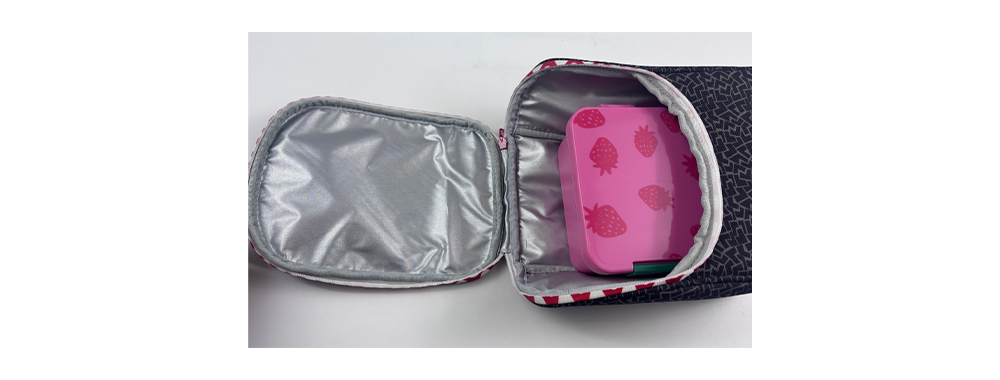
Commonly found in some lunch bags marketed as “easy to clean” or used as the inner layer of waterproof bags.
- Advantages: Waterproof and oil-resistant, easy to clean with a simple wipe. The material is safe (food-grade), odorless, has good low-temperature stability, and is suitable for direct contact with food.
- Disadvantages: A single-layer film has relatively poor insulation performance. It mainly serves as a waterproof barrier. If the bag only has this layer inside, insulation relies entirely on other external structures, and the film itself cannot provide effective thermal insulation.
I . Lunch Bag Lining Selection for Different Use Scenarios
There is no single lining that is “best” for all scenarios. The truly suitable choice depends on the frequency of use, what is being carried, and the budget. The following recommended options are provided based on typical scenarios:
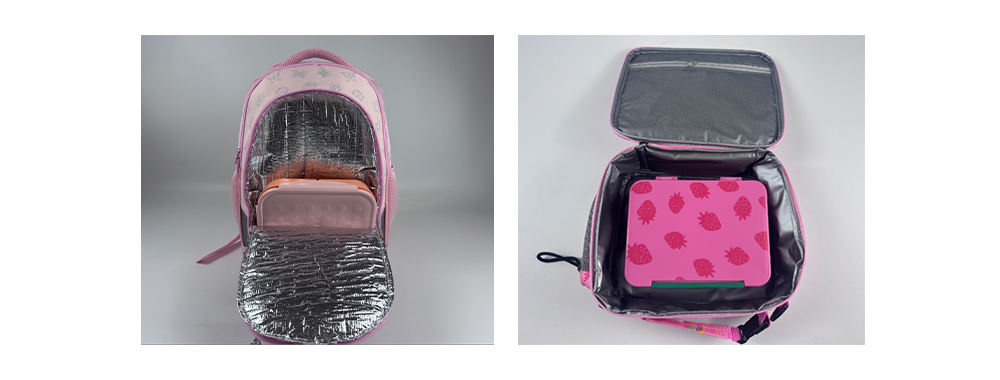
1. Student lunch backpack / lunch bag
Recommended: Aluminum foil + EPE or PEVA + EPE combination.
Students generally have relatively fixed meal times. After bringing food from home or the cafeteria, they usually need to store it in the classroom for several hours, with moderate requirements for cooling/heat preservation duration (approximately 3–5 hours).
The aluminum foil + EPE combination, with its high cost-effectiveness and reliable short-term insulation capability, is sufficient to meet the needs of daily school life. If parents place greater importance on food safety and ease of cleaning, PEVA + EPE is a better solution, as its smooth surface can easily handle spills of soups and other liquids, while being non-toxic and odorless, giving parents greater peace of mind.
2. Commuter Lunch Bag / Mommy Bag
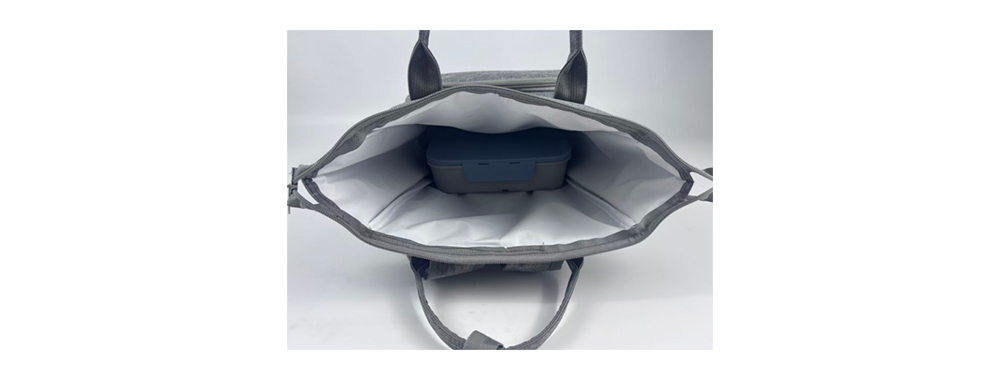
Recommended: Aluminum foil + EPE or PEVA + EPE
The core pain points in the commuter scenario for office workers are “unpredictable time” and “ease of cleaning.” If the commute is within 1 hour and budget is a concern, the aluminum foil + EPE combination, with its high cost-effectiveness and reliable short-term insulation capability (up to 4–6 hours when used with an ice pack), is sufficient to maintain the temperature from home to the office.
However, if you frequently carry foods such as curry or chili oil dishes that are prone to staining and have strong odors, or if you want the lunch bag to be suitable for long-term use and easy to maintain, the PEVA + EPE solution is recommended as the preferred option.
Its seamless one-piece molded design eliminates the risk of soup or liquid seeping into the interlayer and causing mold. The smooth surface can be wiped clean easily, avoiding the inconvenience of the aluminum foil layer becoming damaged due to repeated wiping. It is more suitable for professionals who pursue quality of life and efficiency.
3. Outdoor Picnics, Camping, and Long-Distance Road Trips
Recommended: Thickened EPE (8 mm or above) + aluminum foil or PEVA, used together with ice packs.
Outdoor scenarios often require insulation for more than 6 hours, and the ambient temperature is usually high, so styles with a thicker cushioning layer should be prioritized. If the road conditions are bumpy and equipment is stored together, the tear resistance advantage of an upgraded TPU composite solution will be more significant.
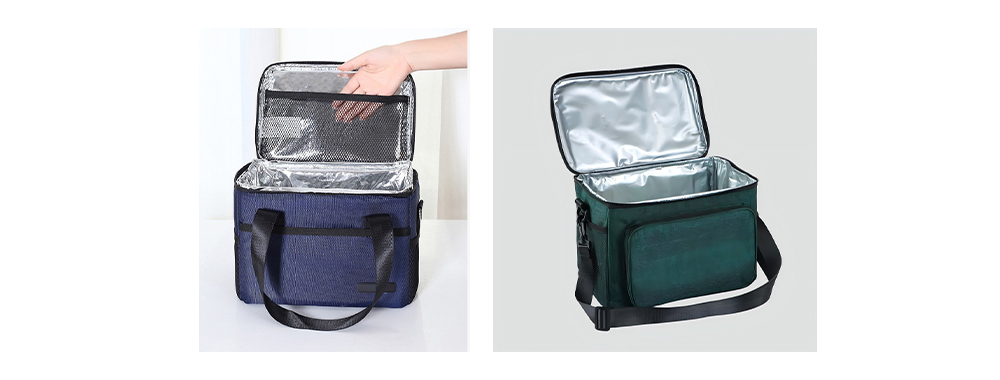
4. Children’s Bento Bag
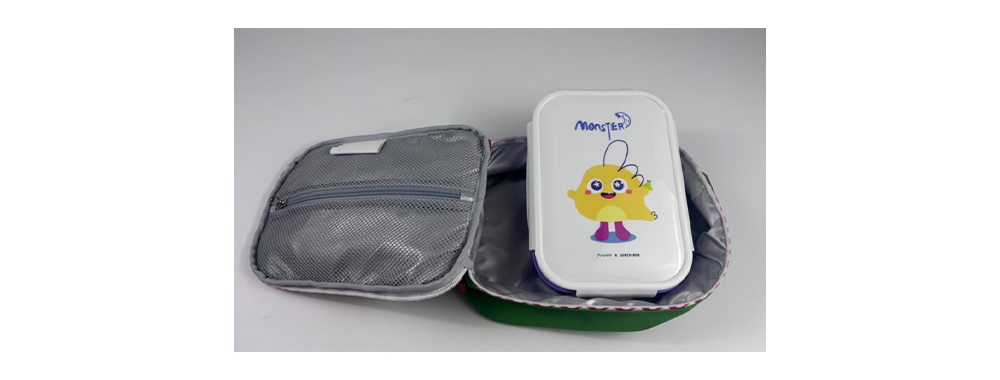
Recommended: Food-grade PEVA lining.
Safety is the top priority for children’s products. PEVA is non-toxic and odorless, complies with food contact standards, and is easy to clean. Children’s lunch bags often need to be wiped and cleaned thoroughly and frequently, and PEVA’s dense surface is less likely to harbor dirt and grime.
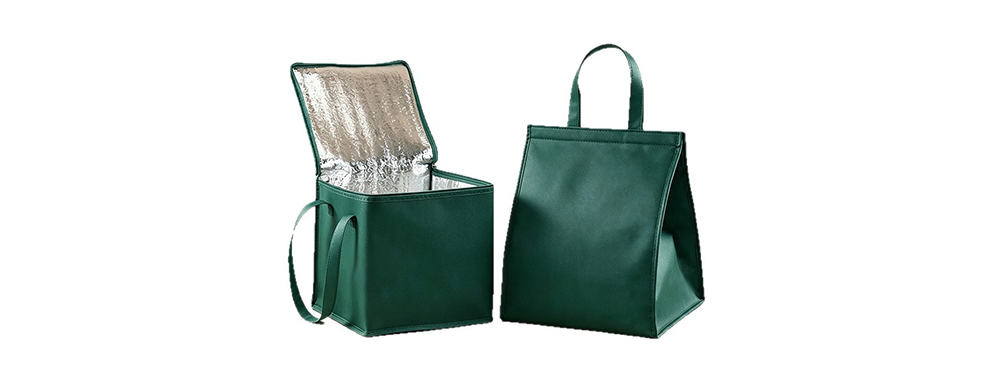
5. Takeout Delivery and Short-Distance Insulated Bags for Supermarket Fresh Produce
Recommended: Aluminum foil + bubble film or thin EPE.
These scenarios involve “disposable/low-frequency” use and have low durability requirements, but are highly sensitive to cost and weight. Lightweight and low-cost solutions are therefore more economical.
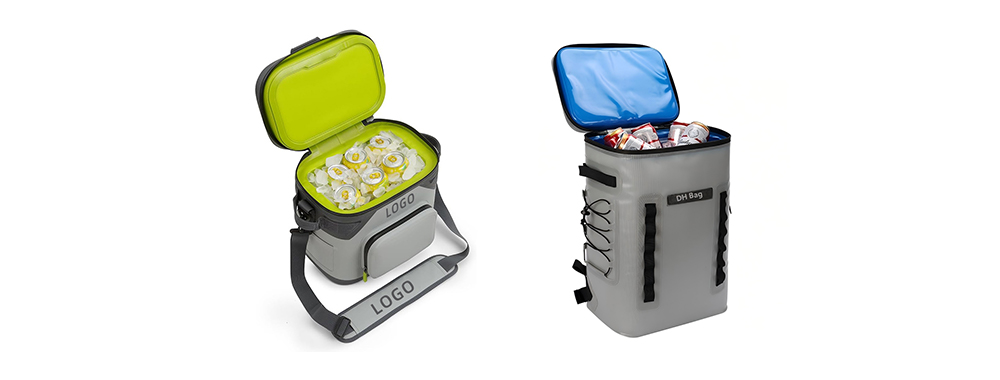
6. High-End Customized and Branded Gift Lunch Boxes
Recommended: TPU + EPE
TPU has a delicate feel, excellent wear resistance and tear resistance, and is fully recyclable. It aligns with the quality narrative and sustainability positioning of high-end brands and can be used in the high-end outdoor brand or high-end customized gift market.
II. Frequently Asked Questions (FAQ) About Lunch Bag Linings
Q1: Is it safe for the lining inside a lunch tote bag to come into direct contact with food?
A: Mainstream lining materials all comply with food contact safety requirements. Among them, aluminum foil and PEVA are food-grade materials that are non-toxic and odorless; TPU, as a high-performance environmentally friendly material, does not contain plasticizers and can be safely used in direct contact with food.
Q2: Which provides better insulation for lunch bags, aluminum foil lining or PEVA lining?
A: Their heat-reflective performance is similar. What truly determines the insulation duration is the thickness and density of the EPE cushioning layer. The advantage of PEVA is not its maximum insulation capacity, but its durability and ease of cleaning—aluminum foil is prone to oxidation and can be easily scratched, forming a “thermal bridge,” while PEVA is less likely to delaminate or become damaged with long-term use.
Q3: Should I choose 3 mm or 5 mm EPE for a lunch bag? Is there a big difference?
A: Yes, the difference is significant. When used with an ice pack, 3 mm EPE can typically keep items cool for 2–3 hours, while 5 mm can reach 4–6 hours. If the usage scenario exceeds half a day (such as outdoor camping), it is recommended to choose a thickened version of 8 mm or above.
Q4: Can an Insulated bag/cooler bag still be used if the lining is scratched or torn?
A: It can be used as a short-term emergency solution, but the insulation performance will be significantly reduced. A damaged area in the aluminum foil layer will form a “thermal bridge,” allowing heat to transfer rapidly through the damaged point. Small areas of damage can be temporarily repaired with aluminum foil tape; if the EPE cushioning layer is also broken, replacement is recommended.
Q5: Can I put an ice pack directly inside a lunch bag? Will it leak water?
A: Yes. Mainstream composite linings (aluminum foil/EPE, PEVA/EPE) are waterproof as a whole, so condensation from the ice pack will not seep out. However, be sure to avoid repeatedly rubbing the sharp edges or corners of the ice pack against the same area, as this may scratch the reflective layer.
Q6: How should the lining of a lunch bag be cleaned?
A: Aluminum foil composite linings can only be gently wiped with a damp cloth. Hard brushes and strongly alkaline cleaning agents are prohibited. PEVA and TPU linings have better resistance to scrubbing and can be cleaned with a soft brush dipped in neutral detergent. After cleaning, turn the bag upside down and dry it in the shade, avoiding direct sunlight to prevent material aging.
Q7: When customizing a Lunch pouch, will the lining material affect the minimum order quantity?
A: Yes. Aluminum foil + EPE is a mature and widely used process, with the lowest minimum order quantity and the shortest lead time. PEVA and TPU have higher requirements for the composite process, so some factories may set higher minimum order thresholds. Before bulk purchasing, it is recommended to make samples first to confirm the thickness, insulation duration, and hand feel.
Q8: Does aluminum film + EPE comply with food safety requirements?
A: Yes, but one point should be noted: the aluminum film (aluminum foil composite layer) itself has stable chemical properties, but it is a composite structure, and the layers rely on adhesives. If low-priced products use inferior glue, volatile substances may remain and odors may be produced. This is the main food safety concern with the aluminum film solution.
Therefore, choosing a high-quality and professional lunch bag manufacturer is crucial. A reputable manufacturer will use food-grade, environmentally friendly adhesives for the lamination process to ensure product compliance.
III. Conclusion
There is no absolute “best” lunch bag lining, only the “most suitable” one: aluminum foil + EPE maintains the mass market with high cost-effectiveness, PEVA + EPE has become mainstream in the mid-to-high-end market due to its durability and ease of cleaning, while TPU + EPE provides a professional-grade option for high-end brands.
As a Lunch bag factory, we recommend that brands focus on three core dimensions during the Lunch bag OEM process—the thickness of the cushioning layer determines the insulation duration, the surface material determines durability and ease of cleaning, and the usage scenario determines the overall solution.
If you are planning your own branded lunch bag product line, it is recommended to first clarify the target scenario and price range, and then work backward to match the lining combination. During the sampling stage, focus on verifying the thickness, actual insulation duration, and bending durability, which can effectively avoid quality disputes after mass production.