I. 8 Common Logo Techniques for Soft Bags
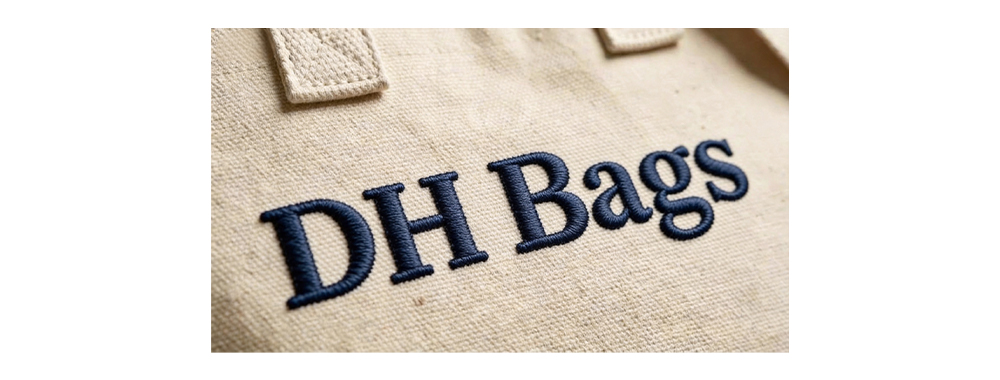
1. Embroidery
Process Principle: Using a computerized embroidery machine, threads are stitched onto the fabric in specific patterns (such as flat embroidery, 3D embroidery, appliqué embroidery, etc.) to create a three-dimensional effect.
- Advantages: Extremely durable; can withstand repeated washing without fading or falling off; prominent tactile texture; high brand recognition.
- Disadvantages: Not suitable for very fine details; costs 30%-50% higher than printing.
- Compatible Materials: Denim, canvas, cotton-linen blends, polyester, nylon, and other fabric materials.
- Typical Applications: Logos that require long-lasting durability and texture, such as high-end tote bags, outdoor backpacks, and corporate gift bags.
2. Screen Printing
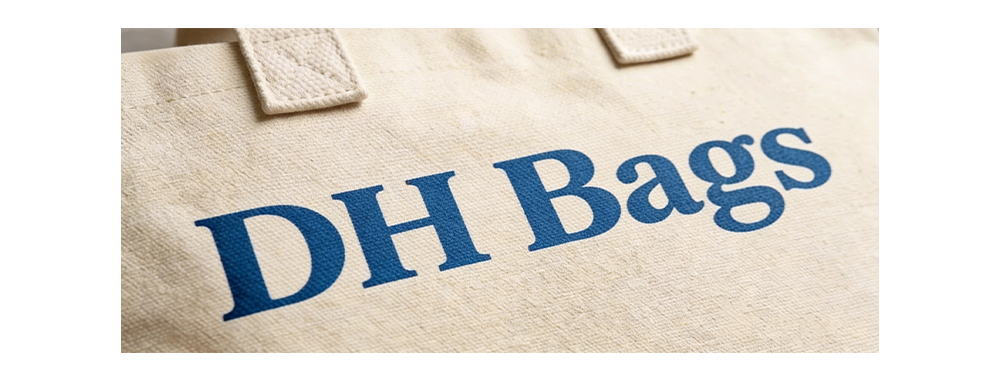
Process Principle: Ink is pressed through a mesh stencil onto the surface of the fabric to form a flat design. Can be done in single or multiple colors.
- Advantages: Lowest unit cost for large-volume orders; high color saturation; fast production speed.
- Disadvantages: Not suitable for gradient colors or complex full-color designs.
- Compatible Materials: Almost all flat fabric materials, as well as some PU surfaces.
- Typical Applications: Large-quantity orders with simple logos, such as promotional bags, event giveaway bags, and basic shopping bags.
3. Heat Transfer
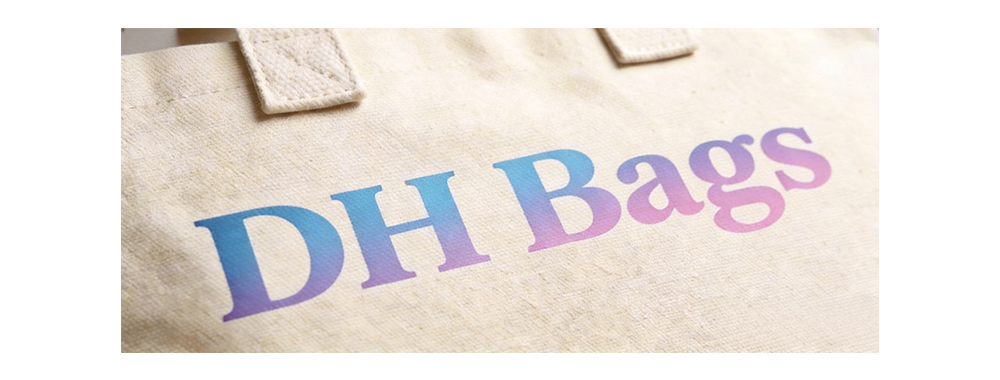
Process Principle: Digitally printed designs are transferred onto fabric using heat press. This includes standard heat transfer and sublimation transfer.
- Advantages: Supports gradient and full-color complex designs; low minimum order quantity; soft to the touch; no sticky or glue-like feel.
- Disadvantages: Low-quality transfer films may fade over time.
- Compatible Materials: Best for polyester, nylon, and blended fabrics.
- Typical Applications: Logos with rich colors or complex structures; flexible minimum order quantities, such as sports bags, school backpacks, personalized custom bags, and small-batch designer brand bags.
4. Metal Label
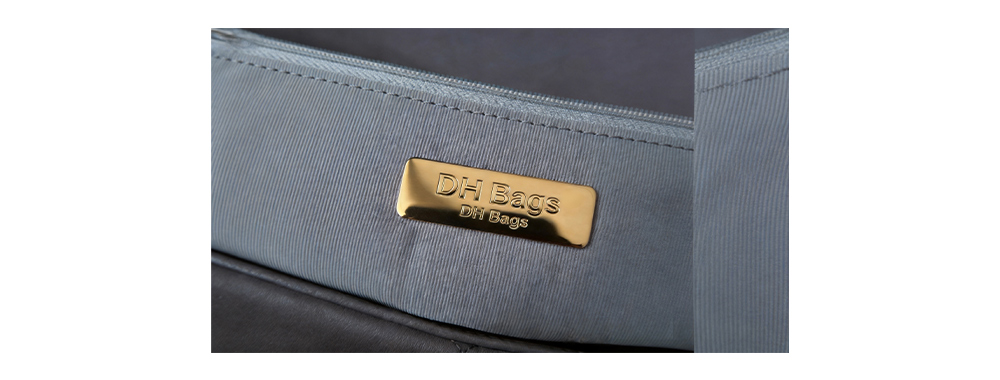
Process Principle: Independent labels are made from zinc alloy, copper, or stainless steel through processes such as die-casting, polishing, electroplating, laser engraving, or silk-screen coloring, and then sewn or riveted onto the bag.
- Advantages: High-end and premium appearance; extremely durable; does not fade; conveys high value.
- Disadvantages: Higher cost; adds weight to the bag.
- Compatible Materials: Denim bags, thick canvas bags, polyester/nylon bags.
- Typical Applications: Designer bags and high-value bags.
5. Leather Patch
Process Principle:Small pieces of genuine or faux leather are cut and can feature embossing, silk-screen printing, or foil stamping, then attached to the bag by stitching or rivets.
- Advantages: Stylish; pleasant to the touch; can be embossed or printed.
- Disadvantages: Requires additional stitching or riveting.
- Compatible Materials: Denim bags, canvas bags, polyester/nylon bags.
- Typical Applications: Vintage-style backpacks, outdoor work bags, casual tote bags.
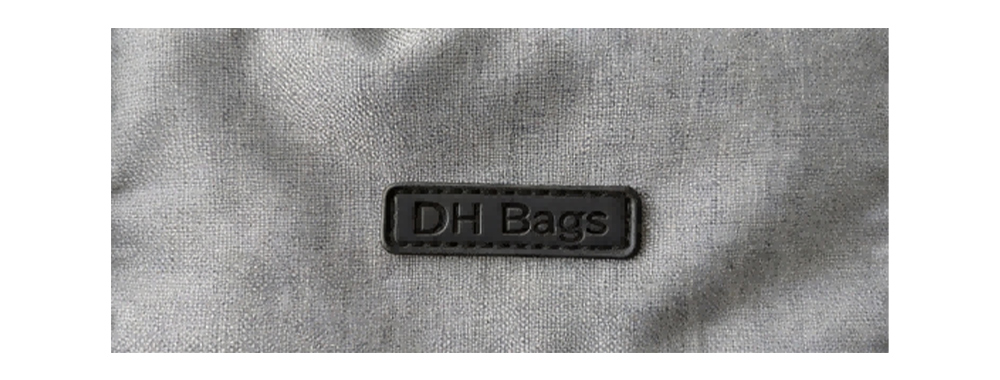
6. PVC / Rubber Patch
Process Principle: Liquid PVC or rubber is injected into a mold and cured at high temperature to form the shape. It can create a highly three-dimensional (3D) effect. The back can be attached with stitching or Velcro.
- Advantages: Waterproof, wear-resistant, tear-resistant, strong 3D effect
- Disadvantages: Style leans toward casual/sporty, difficult to integrate into high-end scenarios, rubber patches may harden in low temperatures
- Compatible Materials: Nylon, polyester, canvas, and other outdoor/sport fabrics
- Typical Applications: Suitable for durable, sporty, and practical logos, such as on sports backpacks, outdoor hiking bags, and children’s bags
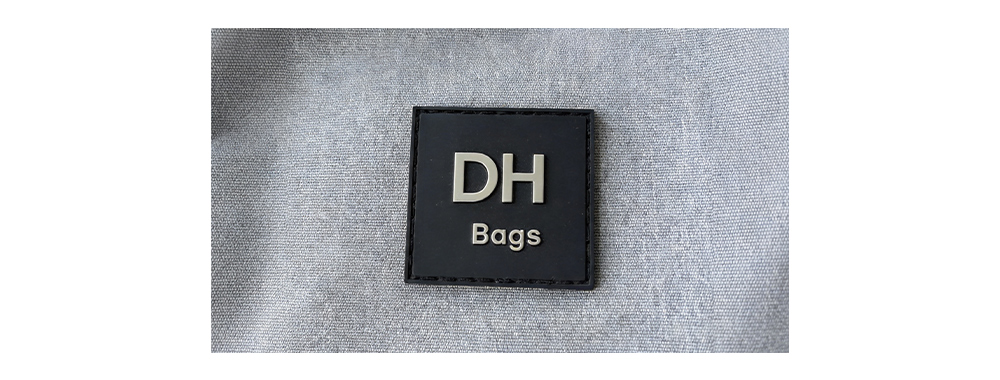
7. Woven Label
Process Principle: Logos are directly woven into fabric labels through the interlacing of warp and weft threads on a weaving machine. The labels are then attached to the bag’s surface, lining, or side seams via stitching or hot melt adhesive.
- Advantages: Soft to the touch, does not irritate the skin; can display intricate text and fine patterns; color is stable and does not fade; highly cost-effective for mass production.
- Disadvantages: Cannot display gradient colors; limited color layering; lacks the three-dimensional effect compared to embroidery or PVC patches.
- Compatible Materials: Suitable for almost all fabric materials, especially canvas, nylon, polyester, and cotton-linen blends; also suitable for main lining labels or side seam flags.
- Typical Applications: Brand main labels, origin labels, side seam flags; for example, on casual backpacks, school bags, canvas tote bags, and shopping bags.
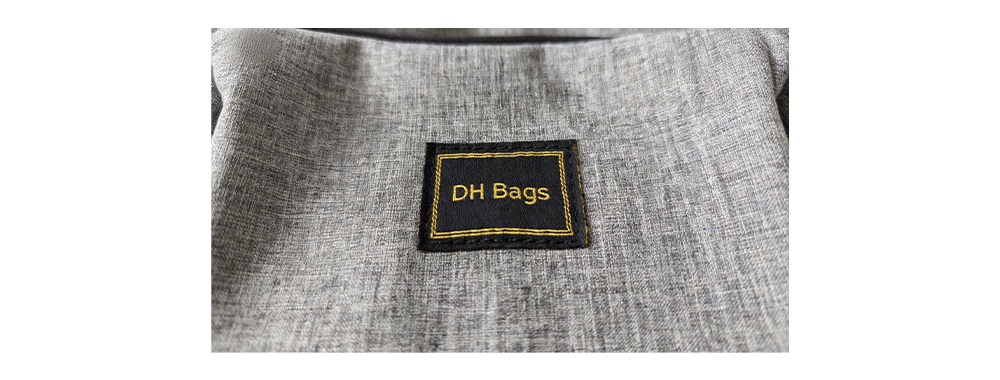
8. Jacquard Weaving
Process Principle: During fabric weaving on a jacquard loom, the logo or pattern is directly woven into the fabric itself by varying the interlacing of warp and weft threads, making it an integral part of the material. Jacquard can be categorized into large jacquard (complex patterns) and small jacquard (simple geometric shapes or text).
- Advantages: Integrated with the fabric, never falls off or wears out; soft to the touch; capable of displaying intricate and detailed patterns; exudes a high-end custom feel.
- Disadvantages: Higher minimum order quantity (usually requires full-width weaving); high sampling cost; color changes are inflexible; requires specific loom specifications.
- Compatible Materials: Canvas, denim, nylon, polyester, cotton-linen blends, and other woven fabrics.
- Typical Applications: Main fabric for high-end brand bags, jacquard linings, jacquard shoulder straps; e.g., luxury tote bags, vintage-style backpacks.

II. Four Steps to Choose the Best Logo Design
Choosing a logo production method is not about “which is best,” but “which fits best.” The following four-step framework helps brands make systematic decisions:
Step 1: Narrow Down Options Based on Bag Material
| Bag Material | Preferred Methods | Alternative Methods |
| Canvas / Cotton-Linen | Embroidery, Screen Printing, Heat Transfer, Woven Label, Jacquard | Leather Patch, PVC Patch |
| Nylon / Polyester | Heat Transfer, Screen Printing, PVC Patch, Woven Label | Embroidery, Jacquard |
| Denim | Leather Patch, Embroidery, Screen Printing, Woven Label, Jacquard | Heat Transfer |
Step 2: Filter Based on Budget Range
| Budget Range | Recommended Methods |
| Low Cost (Promotional / Giveaway) | Screen Printing, Heat Transfer, Woven Label |
| Medium Cost (Regular Retail) | Embroidery, PVC Patch, Jacquard |
| High Cost (Premium / Designer) | Metal Badge, Combined Methods |
Step 3: Match Based on Logo Design Characteristics
| Logo Characteristics | Recommended Methods | Not Recommended Methods |
| Simple lines / large color blocks | Screen Printing, Embroidery, Woven Label, Jacquard | — |
| Full-color / gradient / photo-realistic | Heat Transfer | Screen Printing (limited color separation), Woven Label, Jacquard |
| Extremely fine text / detailed lines | Heat Transfer, High-density Woven Label | Embroidery (lines may blur) |
| Requires a 3D tactile effect | Embroidery, PVC Patch, Metal Badge | Screen Printing, Heat Transfer, Woven Label |
| Requires a soft touch feel | Woven Label, Heat Transfer, Jacquard | Metal Badge, PVC Patch |
Step 4: Based on Target Market & Brand Positioning
| Brand Positioning | Recommended Method Combination | Texture / Feel Keywords |
| Corporate / Business Gifts | Embroidery, Metal Badge, Woven Label | Stable, Classic, Durable |
| Fast Fashion / Promotional | Screen Printing, Heat Transfer, Woven Label | Vibrant, Economical, Quick |
| Outdoor / Sports | PVC Patch, Heat Transfer, Embroidery, Woven Label | Functional, Wear-resistant, Energetic |
| Minimalist / Artistic Designer | Jacquard, Solid-color Woven Label | Low-key, Natural, Timeless |
| High-end Designer | Metal Badge, Genuine Leather Patch, Jacquard + Embroidery | Luxurious, Minimalist, Timeless |
III. DH Custom Logo Service Process
As a B2B bag customization OEM/ODM manufacturer, DH provides end-to-end logo customization services, from design evaluation to mass production delivery:
| Service Stage | Details |
| Free Process Evaluation | Receive your logo files (AI/PDF/PNG) and provide a feasibility report and recommended methods within 24 hours. |
| Free Digital Mockup | Provide high-resolution visual renderings and process simulation images; confirm visual direction before creating physical samples. |
| Free Physical Samples | Produce 1–3 physical samples (including the chosen logo process) and deliver them to you for touch and effect verification. |
| One-on-One Process Consultant | Dedicated project manager follows up, providing optimal process combination suggestions based on your budget, MOQ, and lead time. |
| Stable Quality Delivery | Over 20 years of export manufacturing experience; strictly adhere to AQL 1.5/4.0 inspection standards. |
Conclusion: There Is No “Best” Process—Only the “Right” One
The selection of bag logo techniques is essentially a balance among brand expression, material characteristics, cost structure, and mass production feasibility. There is no single best process—only the one that best matches your current project requirements.
If you are planning your next season’s bag collection and are unsure which logo technique best fits your design and budget, feel free to send us your logo files and bag specifications. DH’s engineering team will provide you with a customized process solution and quotation within 24 hours, helping you make the right decision from the very beginning of product development.