- 1. What Is Electroplating?
- 2. Common Base Materials for Bag Hardware
- 3. Major Electroplating Processes
- 4. Common Plating Finishes in Bag Hardware
- 4.2 Chrome Plating
- 5. The Complete Electroplating Workflow
- 6. Quality Control & Testing Standards
- 7. Environmental & Regulatory Considerations
- 7.1 Restricted Substances
- 8. Common Defects & How to Avoid Them
- 9. Choosing the Right Plating for Your Product
- 10. Industry Trends (2024–2026)
- 11. FAQ
- Conclusion
1. What Is Electroplating?
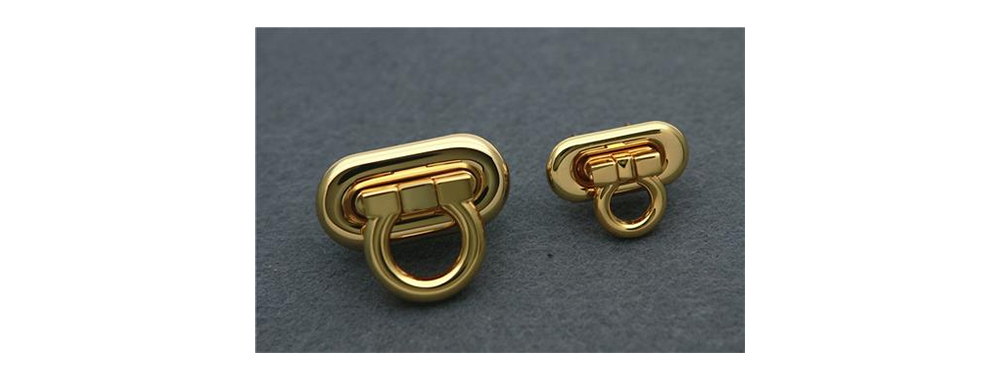
Electroplating is an electrochemical process that deposits a thin metallic coating onto a substrate (typically zinc alloy, brass, or iron) to enhance appearance, corrosion resistance, wear resistance, and overall durability.During the bag OEM process, electroplating transforms raw metal hardware into premium components with lustrous, long-lasting finishes.
2. Common Base Materials for Bag Hardware
Before plating, the base material determines the final quality and cost:
| Base Material | Characteristics | Common Uses |
| Zinc Alloy (Die-cast) | Low cost, easy to mold, moderate strength | Mid-range bags, buckles, decorative pieces |
| Brass | Excellent corrosion resistance, premium feel, ideal for plating | High-end bags, luxury hardware |
| Stainless Steel | Superior durability, naturally corrosion-resistant | Heavy-duty hardware, rings, clasps |
| Iron / Steel | Economical, strong, but prone to rust without plating | Budget bags, internal frames |
Professional Tips from a Bag Manufacturer: Brass is the gold standard for luxury hardware because its natural properties allow for superior adhesion and a richer plated finish.
3. Major Electroplating Processes
3.1 Barrel Plating (Bulk Plating)
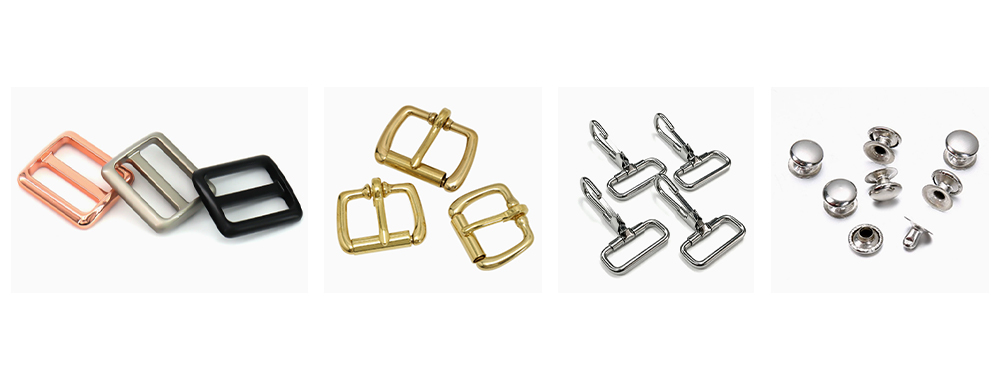
- Best for: Small hardware pieces (rivets, studs, eyelets, small buckles)
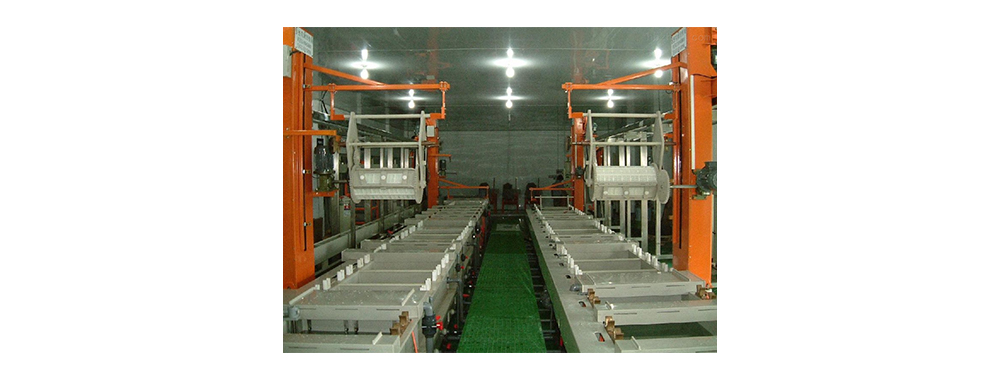
- Process: Parts are placed in a rotating barrel immersed in electrolyte solution; electrical current deposits metal onto tumbling parts.
- Advantages: Cost-effective for high volumes, uniform coverage on small items.
- Limitations: Risk of surface scratching from part-to-part contact; less suitable for large or delicate pieces.
3.2 Rack Plating
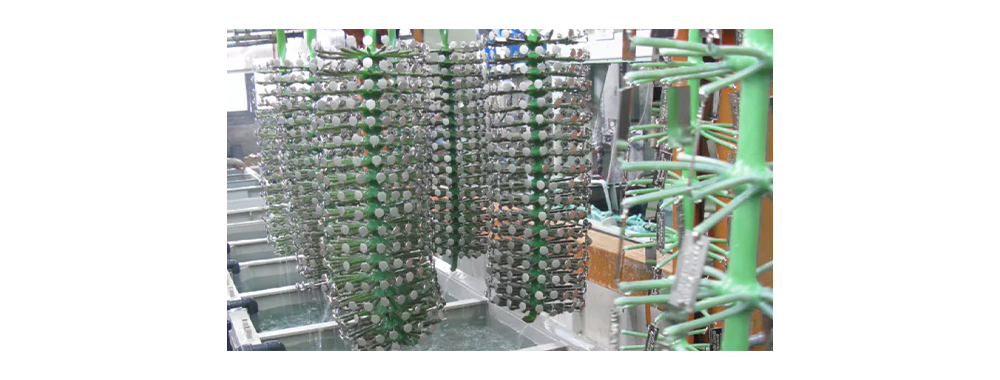
- Best for: Large, complex, or high-visibility hardware (bag handles, logo plates, frame clasps)
- Process: Parts are mounted on racks and submerged in plating baths; each piece is individually positioned.
- Advantages: Precise control, flawless surface finish, no part-to-part damage.
- Limitations: Higher labor cost, lower throughput.
3.3 Vacuum Plating / PVD (Physical Vapor Deposition)
- Best for: Premium, eco-friendly finishes
- Process: Metal is vaporized in a vacuum chamber and condenses onto the hardware surface.
- Advantages: Extremely durable, scratch-resistant, environmentally friendly (no liquid chemicals), available in unique colors (gunmetal, rose gold, iridescent).
- Limitations: Higher equipment cost; limited to certain base materials.

4. Common Plating Finishes in Bag Hardware
4.1 Nickel Plating
- Appearance: Bright silvery-white, mirror-like shine
- Properties: Excellent corrosion resistance, hard surface, good wear resistance
- Considerations: Nickel can cause allergic reactions; EU regulations (REACH) restrict nickel release rates in items contacting skin.
4.2 Chrome Plating
- Appearance: Bluish-white, highly reflective
- Properties: Harder and more corrosion-resistant than nickel; excellent for high-wear areas.
- Applications: Zippers, heavy-duty clasps, industrial-style hardware.
4.3 Gold Plating
- Types:
- Real Gold Plating: Uses actual gold (typically 14K–24K); luxurious but expensive.
- Imitation Gold (Acid Gold / Cyanide-free Gold): Uses copper-zinc or tin-based alloys to mimic gold at lower cost.
- Appearance: Warm, rich yellow to rose tones
- Considerations: Real gold plating requires protective topcoats to prevent tarnishing.
4.4 Antique / Brushed Finishes
- Process: Plated surface is chemically treated or mechanically brushed to create a vintage, matte, or textured look.
- Popular Styles: Antique brass, antique silver, brushed nickel, oil-rubbed bronze.
4.5 Gunmetal / Black Nickel / Black Chrome
- Appearance: Dark gray to deep black with metallic undertones
- Properties: Modern, edgy aesthetic; good corrosion resistance with proper topcoat.
4.6 Rose Gold & Specialty Colors
- Achieved through specific alloy combinations (copper-gold for rose gold) or PVD technology for unconventional hues.
5. The Complete Electroplating Workflow
Step 1: Surface Preparation
- Degreasing: Removes oils, fingerprints, and contaminants from manufacturing.
- Polishing / Buffing: Creates smooth surface for mirror finishes; matte surfaces may skip this step.
- Acid Pickling: Removes oxide layers and activates the metal surface.
Step 2: Pre-Treatment
- Ultrasonic Cleaning: Deep cleans microscopic pores and crevices.
- Electrocleaning: Uses alkaline solution and electric current to remove residual contaminants.
Step 3: Electroplating
- Hardware is submerged in electrolyte baths containing the desired plating metal.
- Direct current (DC) is applied; metal ions migrate and deposit onto the cathode (hardware).
- Time & Current Density: Controlled precisely to achieve target thickness (typically 0.1–2.0 microns for decorative plating; up to 25 microns for heavy-duty applications).
Step 4: Post-Treatment
- Passivation: Forms a protective oxide layer to enhance corrosion resistance.
- Topcoating / Lacquering: Applies clear protective coating (epoxy, acrylic, or nano-ceramic) to prevent tarnishing, scratching, and oxidation.
- Drying & Curing: Heat or UV curing to harden protective layers.
6. Quality Control & Testing Standards
| Test | Purpose | Common Standard |
| Salt Spray Test (ASTM B117/ISO 9227) | Measures corrosion resistance | 24–96 hours for decorative hardware |
| Adhesion Test (Tape / Cross-hatch) | Ensures plating does not flake or peel | ASTM D3359 |
| Thickness Measurement (XRF / Eddy Current) | Verifies plating thickness meets spec | ISO 3497 |
| Nickel Release Test | Ensures compliance for skin-contact items | EN 1811 |
| Abrasion / Wear Test | Evaluates durability of finish and topcoat | Taber Abraser |
| Color Fastness / UV Test | Checks resistance to fading and discoloration | ISO 105-B02 |
7. Environmental & Regulatory Considerations
7.1 Restricted Substances
- REACH (EU): Restricts nickel release, lead, cadmium, and certain chromium (VI) compounds.
- CPSIA (USA): Limits lead content in consumer products, especially those accessible to children.
- California Prop 65: Requires warnings for products containing chemicals known to cause cancer or reproductive harm.
7.2 Eco-Friendly Alternatives
- Trivalent Chromium (Cr III): Replaces toxic hexavalent chromium (Cr VI) in chrome plating.
- Cyanide-Free Plating: Safer gold and silver plating solutions.
- Water-Based Topcoats: Reduce VOC emissions compared to solvent-based lacquers.
- PVD Technology: Eliminates liquid chemical waste entirely.
8. Common Defects & How to Avoid Them
| Defect | Cause | Solution |
| Blistering / Peeling | Poor surface preparation, contamination | Improve degreasing and acid activation |
| Pitting / Pinholes | Trapped hydrogen gas, impurities in bath | Optimize current density, filter electrolyte |
| Dull / Cloudy Finish | Insufficient brightener, wrong current | Adjust bath chemistry and parameters |
| Color Variation | Uneven plating thickness, bath depletion | Regular bath analysis, consistent rack positioning |
| Tarnishing / Black Spots | Inadequate topcoat, exposure to sulfur | Apply quality protective lacquer; control storage environment |
9. Choosing the Right Plating for Your Product
| Product Tier | Recommended Approach | Typical Finish |
| Mass Market / Fast Fashion | Barrel plating, nickel or imitation gold | Shiny nickel, light gold |
| Mid-Range / Contemporary | Rack plating, multi-layer plating with topcoat | Brushed nickel, antique brass, rose gold |
| Luxury / Designer | Rack plating, real gold or PVD, hand-finished | 24K gold, palladium, custom PVD colors |
| Eco-Conscious / Sustainable | PVD, trivalent chrome, water-based coatings | Gunmetal, matte black, natural brass |
10. Industry Trends (2024–2026)
- Nano-Ceramic Coatings: Ultra-thin, diamond-hard protective layers that extend hardware lifespan by 3–5x.
Bi-Color & Tri-Color Hardware: Combining two or three plated finishes on a single piece for distinctive design.
- Recycled Base Metals: Increasing use of recycled brass and zinc alloys to meet sustainability goals.
- Digital Color Matching: Spectrophotometers ensure batch-to-batch color consistency across global supply chains.
- Micro-PVD for Small Parts: Bringing vacuum deposition technology to tiny hardware like zipper pulls and rivets.
11. FAQ
Q1: What Are the Common Plating Defects in Bag Hardware, and What Causes Them?
A: Bag hardware is expected to be both aesthetically appealing and durable. Common plating defects mainly include the following:
- Discoloration, oxidation, and rust:
These are among the most troublesome issues for both consumers and brands. In addition to external factors such as daily exposure to sweat, cosmetics, and other substances, the root causes are usually plating that is too thin or microscopic pores (pinholes) in the plating layer, which prevent the coating from effectively isolating the base material from air and moisture. - Blistering and peeling (poor adhesion):
This refers to the plating layer bulging like bubbles or peeling off in sheets. For zinc alloy, which is commonly used in bag hardware, this may be caused by internal stress generated during die casting, polishing compounds or oxide films that were not thoroughly removed during pretreatment, or contamination of the plating bath, such as the alkaline copper plating bath. - Pitting and roughness:
These defects appear as small pits, particles, or raised spots on the hardware surface. They are usually caused by solid impurities or suspended particles in the plating solution becoming attached to the plating layer. They may also result from rust, stains, or other surface defects that already existed on the base material before plating.
Q2. What Is the Most Common Base Material Used for Bag Hardware? What Special Considerations Are Required During Plating?
A: Zinc alloy is widely used as the base material for bag hardware because it is easy to die-cast, highly versatile in terms of shaping, and relatively low in cost.
However, zinc alloy is an amphoteric metal, which is unstable in both acidic and alkaline environments, making it relatively challenging to electroplate. To achieve a high-quality plating layer, a layer of alkaline copper (cyanide copper) is usually applied first as a base layer to improve adhesion and ensure good bonding between the plating and the substrate.
If the zinc alloy die-cast part itself is porous or has internal voids, or if mold-release agents and other residues are not completely removed during pretreatment, blistering and peeling of the plating layer can easily occur after electroplating.
Q3. What Is “Topcoat” (Protective Oil)? Can It Prevent Hardware from Fading?
A: “Topcoat” can be understood as a transparent protective coating applied to the surface of bag hardware after electroplating. It is not part of the electroplating process itself, but rather a post-treatment process.
This protective film can effectively slow down oxidation caused by exposure to air, corrosion caused by contact with sweat, and minor scratches from daily use. As a result, it can significantly improve the durability and wear resistance of the hardware.
Q4.How Can You Make a Preliminary Assessment of the Quality of Hardware Plating by Appearance?
A: You can focus on the following details:
- Check the gloss:
A good plating layer should have a uniform color and finish. Mirror-polished areas should not show signs of yellowing, dullness, or water-mark-like stains. - Check the surface smoothness:
Rotate the hardware under a light source and carefully inspect the surface for small raised spots (pitting) or tiny depressions (pinholes). - Pay attention to details:
Inspect the edges and corners of letters and logos, as well as recessed areas of the hardware. Check whether these difficult-to-plate areas are fully covered by the plating layer and whether their color is consistent with that of the flat surfaces. Many fading problems begin with wear and abrasion on these edges and corners.
Conclusion
Electroplating is both a science and an art in bag manufacturing. The choice of base material, plating method, finish type, and protective topcoat directly impacts the perceived value, durability, and regulatory compliance of the final product. For brands, understanding these processes enables better supplier communication, quality control, and product positioning—from budget-friendly fashion to heirloom-quality luxury.