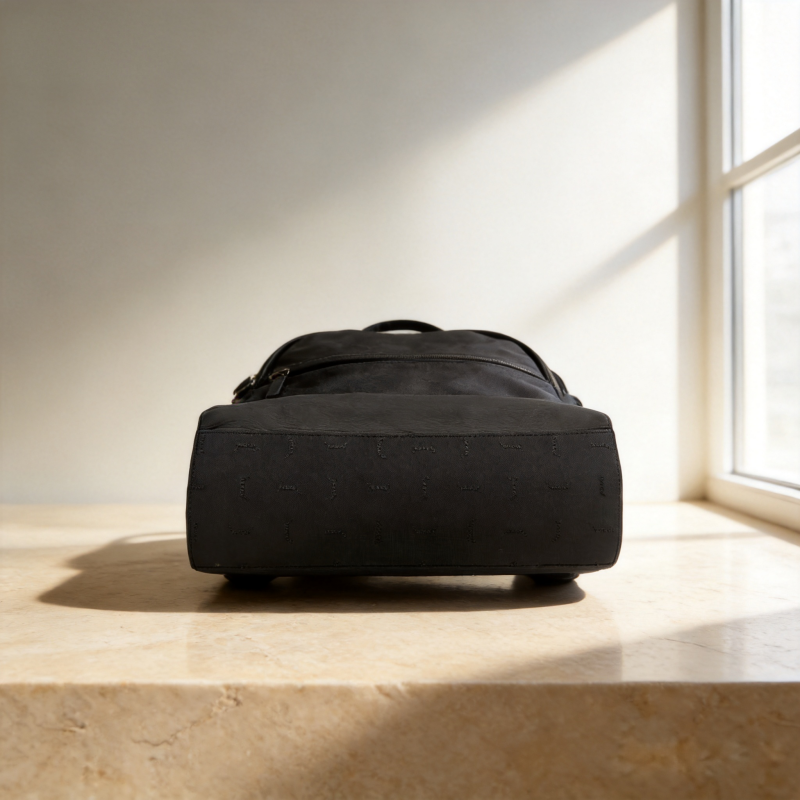
Common materials suitable for bag bottoms with an emphasis on abrasion resistance, along with selection recommendations, are as follows:
I. High-Strength Synthetic Fibers
| Material | Characteristics | Suitable Bag Types |
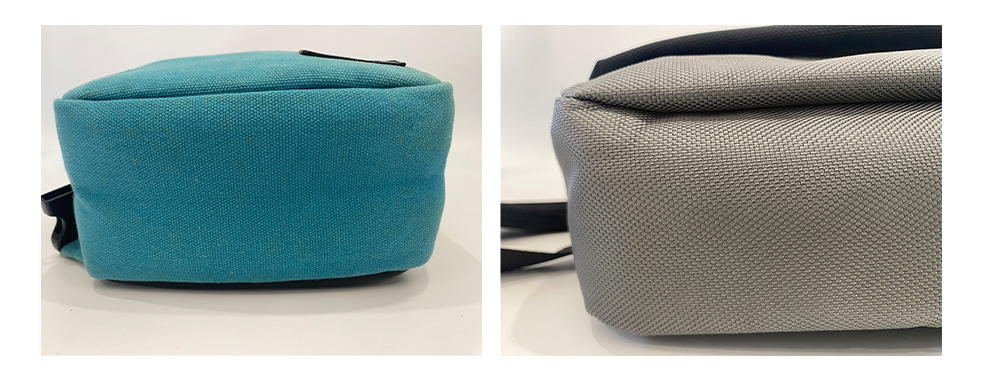
| 1680D Ballistic Nylon | Excellent abrasion resistance, tear-resistant, thick hand-feel, usually with PU/PVC backing | Travel bags, hiking backpacks, tool bags, business backpacks |
| 1050D / 1000D Cordura | Abrasion- and scratch-resistant, lighter than 1680D, highly recognized by brands | Outdoor bags, military bags, high-end commuter bags |
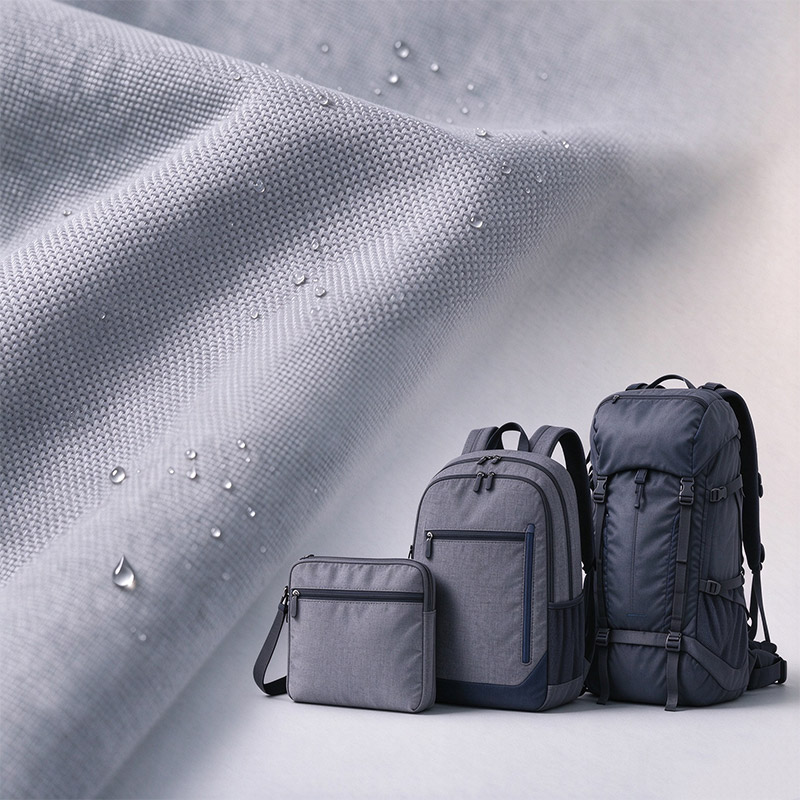
| 900D–1200D Polyester/Nylon Oxford | Cost-effective, can be paired with PVC/TPU coatings for water resistance, moderate-to-high abrasion resistance | School backpacks, promotional bags, foldable bags |
| Kevlar Blends | Extremely abrasion- and cut-resistant, very high cost | Professional tool bags, firefighting/military/police equipment bags |
II. Coated / Composite Fabrics (Abrasion-Resistant and Waterproof)
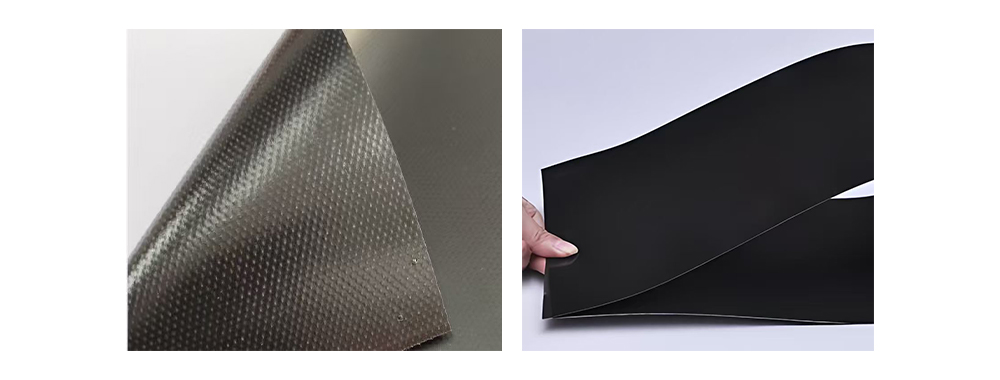
- PVC-Coated Canvas: Rigid, abrasion-resistant, fully waterproof, but stiffens in low temperatures; suitable for tool bags, fishing bags, and the bottoms of outdoor packs.
- TPU Composite Fabrics: More environmentally friendly than PVC, flexible, cold-resistant, abrasion-resistant; suitable for high-end outdoor bag bottoms and waterproof bags.
- PE/PP Board + Fabric Lamination: Plastic board added to the bottom for wear protection while maintaining bag shape; common in structured handbags and briefcases.
III. Leather and Faux Leather (Fashion-Oriented Bags)
| Material | Characteristics |
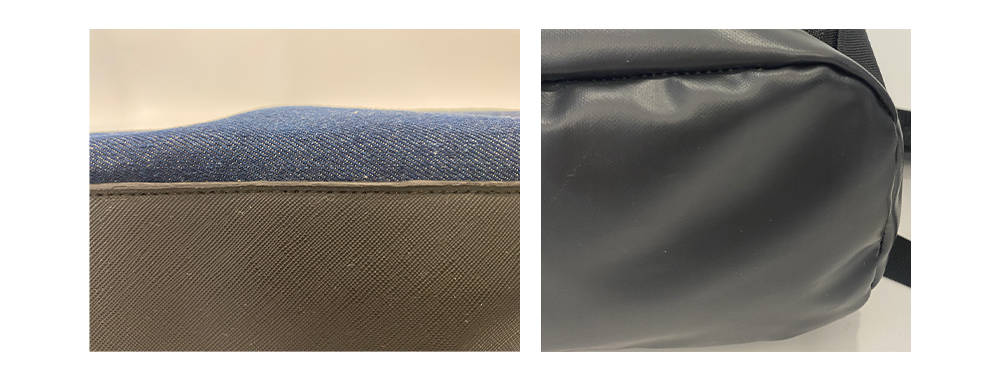
| Top-Grain / Split Leather | Naturally abrasion-resistant, high-quality feel, develops patina over time; high cost, suitable for high-end leather bag bottoms |
| Microfiber Leather | Abrasion resistance close to genuine leather, lightweight, uniform color, price controllable; suitable for mid-range bag bottom panels |
| Recycled Leather | Environmentally friendly, moderate abrasion resistance; suitable for sustainable brand positioning |
IV. Rubber / Silicone / Molded Bottoms (Maximum Protection)
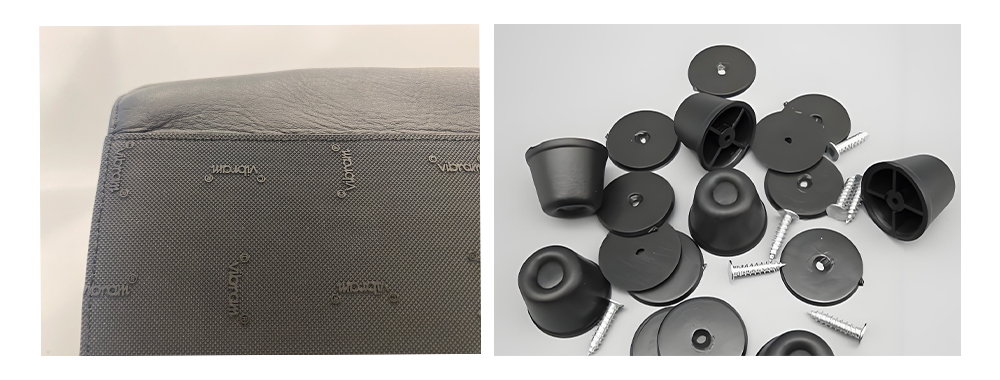
- Rubber or Injection-Molded Bottoms: Direct vulcanization or injection molding; anti-slip, abrasion-resistant, shockproof; commonly used for tool bags, camera bags, and instrument cases.
- Silicone Feet / Plastic Studs: Local reinforcement without adding much weight; suitable for corner protection on briefcases and laptop bags.
V. Molded Bases (For Self-Standing Bags)
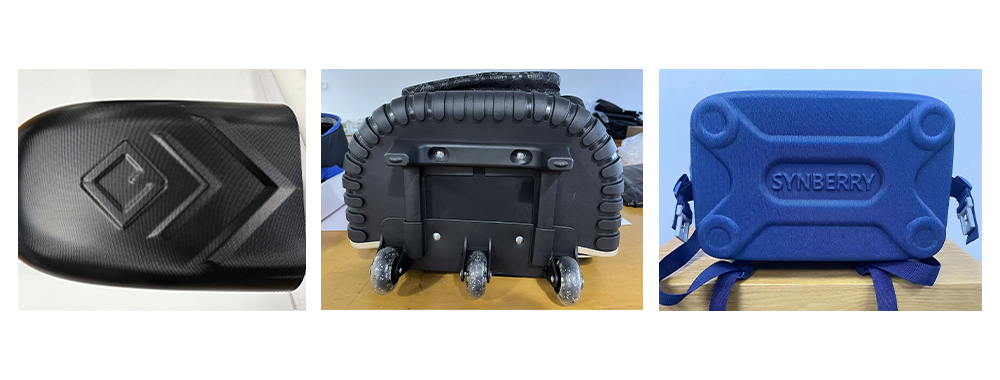
- ABS/PC Molded Bases: Thermoformed; ABS offers toughness, PC offers hardness and high-temperature resistance. Note: PC may become brittle in extremely cold environments (e.g., Northern Europe, Canada).
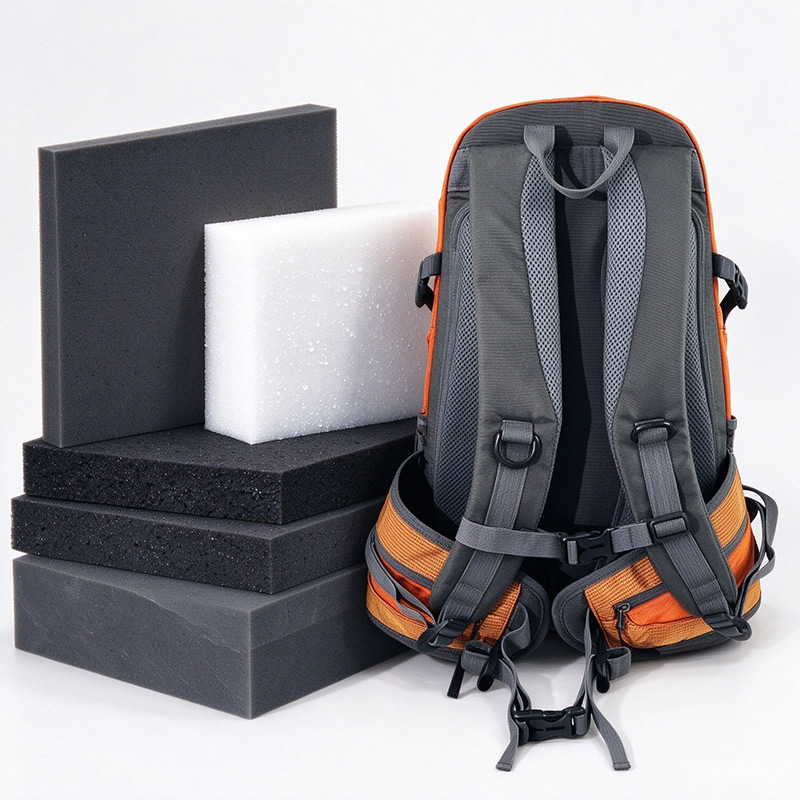
- EVA Heat-Pressed Bases: EVA foam boards thermoformed and cut; density and hardness adjustable. High-density EVA is usually used for bag bottoms for corner reinforcement without adding much weight; ideal for school backpacks.
Material Selection Recommendations
Environmentally Friendly Bags → Recycled Nylon or rPET composites, with abrasion resistance approaching that of virgin materials.
Outdoor / Functional Backpacks → Prefer 1050D Cordura or 1680D Ballistic Nylon, optionally with TPU coating.
Business / Fashion Leather Bags → Bottom panels in top-grain leather or microfiber leather for abrasion resistance and enhanced feel.
Promotional / School Bags (Cost-Sensitive) → 900D polyester Oxford + PVC coating for a balance of cost and durability.